
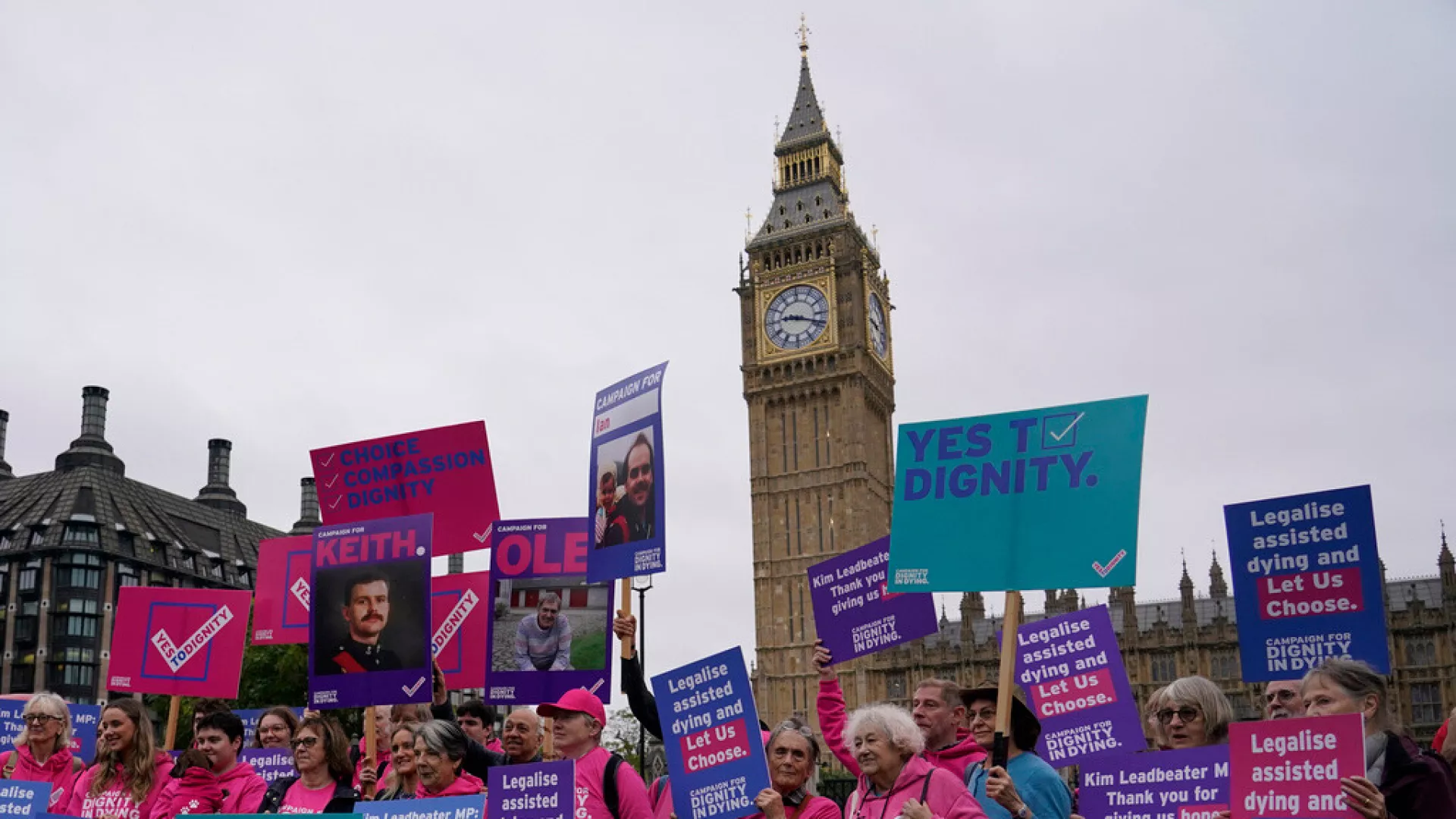

For the first time in nine years, the UK Parliament is gearing up for a historic vote on a bill that would allow terminally ill adults to choose assisted dying. This contentious issue has deeply divided MPs, causing rifts even within political parties that are traditionally aligned.
What is the Assisted Dying Bill?
The proposed legislation, introduced by Labour MP Kim Leadbeater, aims to give terminally ill adults who have less than six months to live the option of ending their own life with assistance. However, this decision would be subject to strict safeguards. Two doctors and a judge must approve the request before a person can proceed with assisted dying. If passed, this would be the first law of its kind in the UK.
A Free Vote, But Deep Divisions
The bill is set to be debated and voted on as a “matter of conscience,” meaning that MPs are not bound by party lines when casting their votes. This has led to significant divisions even within political parties that often agree on other issues.
While the bill is causing a stir in Parliament, it’s also dividing opinions outside of Westminster. British Prime Minister Keir Starmer has previously said he supports changing the law but has not revealed how he personally would vote on the bill. His silence on the matter contrasts with some of his party colleagues who have strongly voiced their opinions.
Key Figures and Their Positions
Among the key figures in this debate is Health Secretary Wes Streeting, who has publicly stated he would vote against the bill. Streeting argues that the UK’s end-of-life care system is not equipped to handle the needs that the legislation would create. He fears the law could lead to cuts in other vital services within the already overburdened National Health Service (NHS). He also expressed concerns about the ethical dilemmas the law might present to healthcare professionals.
In contrast, former Prime Minister David Cameron has recently announced his support for the bill, after initially opposing it. Cameron’s change of heart marks a significant shift in the debate, with more prominent figures reconsidering their stance on assisted dying.
On the other side of the spectrum, Conservative MP Edward Leigh and Labour MP Diane Abbott have teamed up to oppose the bill, forming an unlikely alliance. They argue that the legislation could have unintended consequences and raises serious moral and practical concerns.
What the Bill Proposes
Kim Leadbeater’s bill is designed with safeguards to ensure that only those who are terminally ill and mentally capable of making the decision can request assisted dying. Those eligible for the procedure would need to be over 18, capable of understanding the consequences of their decision, and would be required to make two separate declarations expressing their wish to end their life.
Leadbeater has framed the bill as a natural extension of people’s rights over their own bodies, likening it to the fight for women’s rights to access abortion services. She argues that terminally ill individuals should have the right to make decisions about their own lives and deaths.
Why This Vote Matters
The outcome of this vote could have far-reaching consequences for both the legal and healthcare systems in the UK. If the bill passes, the country would join a small group of nations that have legalized assisted dying, including Canada, the Netherlands, and Belgium. However, the debate is far from over.
The bill has raised a number of ethical, legal, and medical concerns. Critics argue that it could lead to abuses, such as vulnerable people being pressured into ending their lives prematurely. Supporters, on the other hand, view it as an essential step in allowing terminally ill people to have greater control over their own fate, avoiding unnecessary suffering in the final stages of life.
The Road Ahead: What’s Next?
The vote on this bill is a critical moment in the UK’s political landscape. It brings the long-standing issue of assisted dying back to the forefront of public discourse and will test the resolve of MPs to vote according to their conscience rather than political party lines. As the debate intensifies, it is clear that this will be one of the most divisive votes in recent years.
MPs will have to carefully weigh the moral, ethical, and practical implications of such a law. If the bill passes, it will undoubtedly reshape end-of-life care in the UK, creating new challenges and opportunities for the healthcare system. If it fails, the debate will likely continue for many more years.
Conclusion
As the UK Parliament prepares to vote on the Assisted Dying Bill, the nation finds itself at a crossroads. This controversial issue has sparked fierce debates among lawmakers, with differing opinions within and across political parties. With the vote looming, it remains to be seen whether the UK will follow in the footsteps of other countries that have legalized assisted dying, or whether the law will be delayed once again. Regardless of the outcome, the discussion surrounding assisted dying is unlikely to end anytime soon.

