
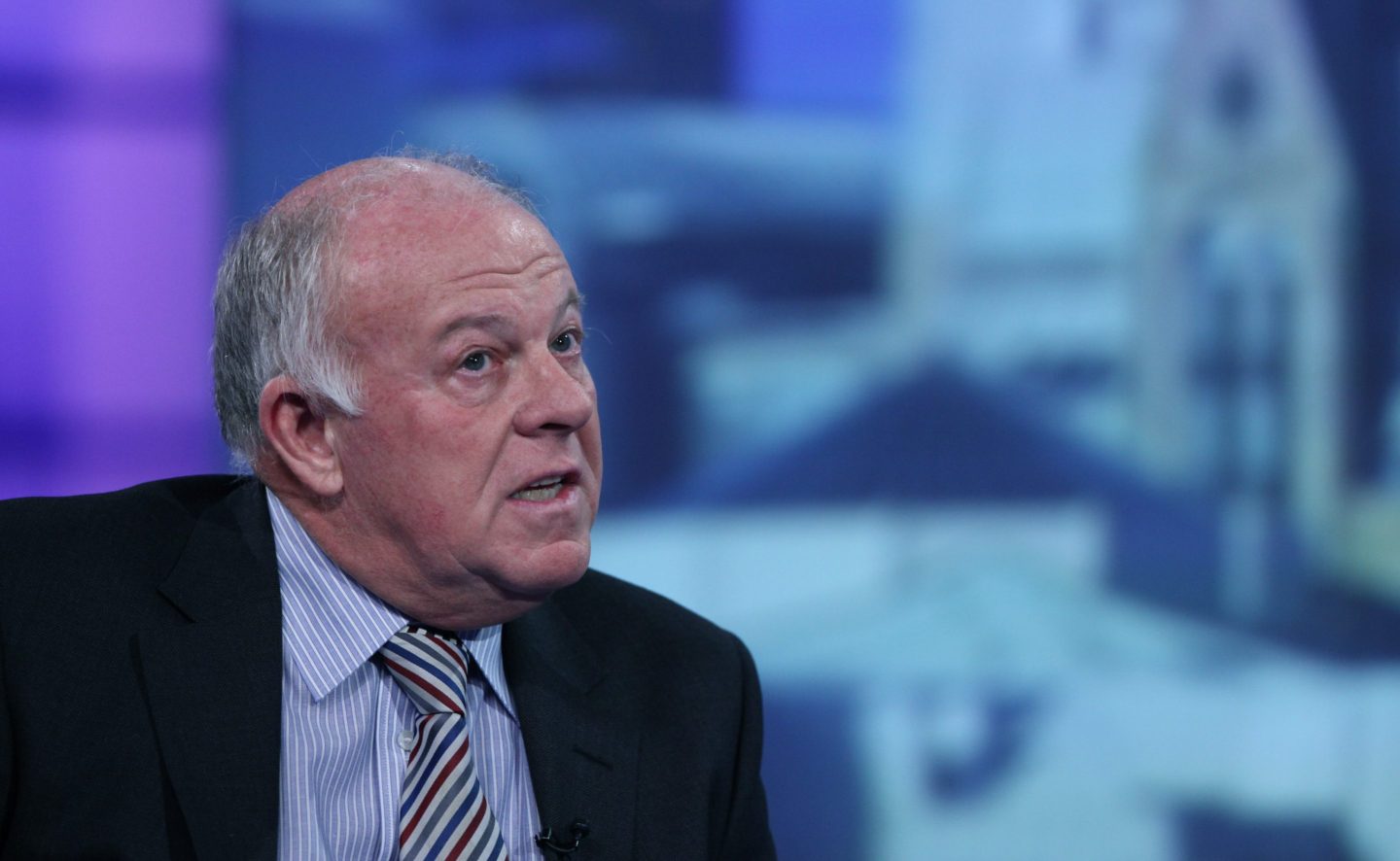

The UK Billionaire Betting Against Big Tech’s AI Boom
A prominent UK billionaire is making a bold move that’s turning heads in the world of investing. Peter Hargreaves, cofounder of the investment giant Hargreaves Lansdown, is overseeing a massive selloff of stocks from the so-called “Magnificent Seven” tech giants. These seven companies—Microsoft, Apple, Nvidia, Amazon, Alphabet, Meta, and Tesla—have been the poster children for the AI revolution and have seen their stock prices soar. But Hargreaves, through his Blue Whale Growth Fund, is now sounding the alarm on the AI hype, worried that it might be setting up the stock market for a major crash.
Hargreaves’ Blue Whale Growth Fund has grown impressively since it launched in 2017, more than doubling its returns. However, now, with concerns growing over the risks of AI overhype, the fund is cutting ties with many of these major tech stocks. The billionaire investor believes that AI infrastructure investments might not provide the quick returns that the market is expecting.
Big Tech’s Bold AI Bet: Is it Too Much, Too Fast?
In 2024, the Magnificent Seven have made massive investments in AI. Together, companies like Amazon, Microsoft, and Alphabet have spent over $133 billion in just the first nine months of the year to build their AI capabilities. This is a 57% increase from 2023, signaling just how crucial AI development has become for their future growth.
However, not all investors are convinced that these bets will pay off anytime soon. Stephen Yiu, the lead manager of Blue Whale Growth Fund, is among the skeptics. He’s aggressively cutting the fund’s holdings in companies like Microsoft, fearing that these huge AI infrastructure investments won’t lead to quick returns. In fact, Yiu has slashed his Microsoft holdings from 8% to just 2% of the fund in 2024.
Why Blue Whale Is Bullish on Nvidia (But Not Much Else)
While Blue Whale is stepping away from most of the Magnificent Seven stocks, there’s one exception: Nvidia. The fund is still backing Nvidia, the leading maker of AI chips, because it believes the company is well-positioned to benefit from the AI boom.
But Yiu remains cautious about the other six companies in the Magnificent Seven, especially as their AI-related costs continue to rise. Capital intensity, or the need to spend big on infrastructure, is increasing rapidly, and Yiu isn’t convinced it will be sustainable in the long run. According to Yiu, these companies could struggle to deliver the kind of profits that investors are expecting.
The Growing Fears: Will AI Stocks Drag Down the Market?
With the Magnificent Seven tech giants making up more than a third of the S&P 500, their struggles could have a big impact on the broader market. Investors are starting to worry that the AI hype might be overblown, and that many of these companies will struggle to justify their sky-high valuations. If these stocks take a hit, it could drag down the entire stock market, causing a correction.
Many investors are already starting to shift their strategies. Terry Smith, the founder of Fundsmith, the UK’s largest investment fund, has been avoiding the Magnificent Seven altogether. His value investing approach, inspired by Warren Buffett, has caused his fund to underperform compared to the MSCI World Index, which holds a significant portion of its funds in Magnificent Seven stocks.
Smith, like Yiu, is worried about a market correction as AI expectations begin to fall short. He has compared the AI hype to a crowd at a football game, where people stand up to get a better view, but in the end, no one has a clearer picture, and everyone ends up uncomfortable. This metaphor reflects his concern that the AI frenzy might not lead to the returns investors are hoping for.
Meta’s AI Spending: Big Budget, Little Profit?
Another company in the spotlight is Meta (formerly Facebook). Meta is planning to invest up to $40 billion in AI-related capital expenditures this year, but Yiu is not convinced that these investments will translate into the kind of profits investors expect. Meta’s AI ambitions are massive, but so are its costs, and it remains unclear whether they’ll deliver the promised growth.
Yiu’s warning is clear: while he doesn’t think the six non-Nvidia companies in the Magnificent Seven will disappear overnight, he does believe that their stock performance could drag on the market. As these companies continue to pour money into AI development, their returns might not keep pace with investor expectations.
The Selloff: How Blue Whale is Positioning Itself
With concerns mounting, the Blue Whale Growth Fund is repositioning its portfolio. The fund has been actively trimming its exposure to high-tech stocks, especially those heavily involved in AI, and shifting towards other opportunities. Top investments for the fund now include Nvidia, TSMC (Taiwan Semiconductor Manufacturing Company), Visa, and Flutter, a leading sports betting group.
Despite these changes, the Blue Whale Fund has posted strong returns. It was up 23% in 2024 and saw an impressive 30% increase in 2023. The fund has managed to capitalize on growth stocks while carefully navigating the AI hype and the potential risks involved.
Is the AI Bubble About to Burst?
The skepticism from Hargreaves and other investors like Terry Smith suggests that there may be growing concerns about the sustainability of the AI rally. While AI is certainly a transformative technology, the real returns on these investments may be further off than many have anticipated.
As AI spending continues to rise, companies like Microsoft, Meta, and Amazon are betting heavily on future growth—but their success isn’t guaranteed. For investors who are nervous about the risks, the message is clear: caution is warranted.
Final Thoughts: Will AI Deliver on Its Promises?
The AI revolution is unfolding at a rapid pace, and tech giants are betting big on its potential. But with the massive capital expenditures required to build AI infrastructure, there’s growing concern that the returns may not come as quickly as expected. For investors like Peter Hargreaves and Terry Smith, the risk of an AI bubble bursting is real, and they’re positioning their funds accordingly.
As the year continues, it will be fascinating to see whether the Magnificent Seven stocks can live up to their promises or if the AI hype will begin to lose steam. For now, investors are treading carefully, weighing the rewards against the risks of an uncertain future.

