
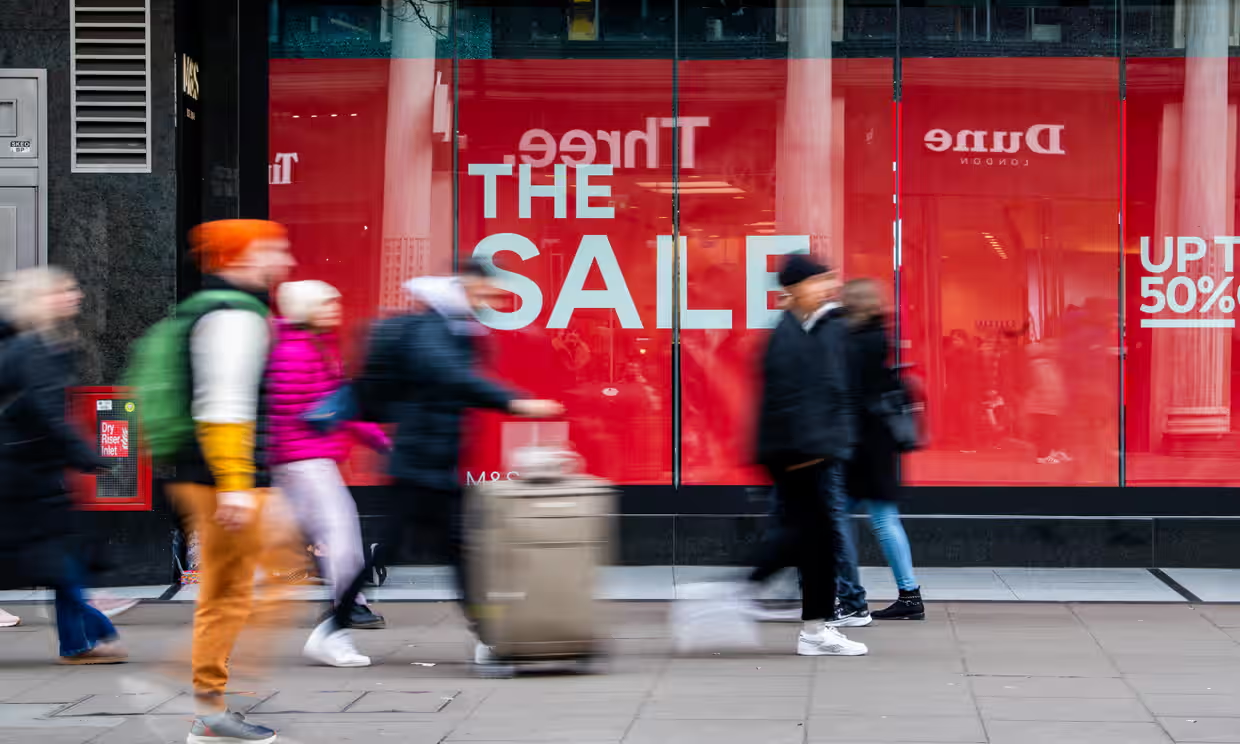
UK Shoppers Set to Spend £3.7bn on Boxing Day, but Online Shopping Dominates High Streets

Boxing Day Spending Set to Reach £3.7bn
This Boxing Day, UK shoppers are expected to splash out an impressive £3.7 billion — a modest 1.3% increase compared to 2023. However, despite the big spend, the buzz around high street shopping seems to be dwindling, with more people opting for online deals on tech gadgets and beauty products from the comfort of their homes.
As sales season kicks off, more than 11 million shoppers are predicted to hit the online stores on Christmas Day, marking a 3.6% increase from last year. However, while online shopping surges, physical store visits are expected to decline, continuing the trend seen in recent years.
The Rise of Online Shopping and Early Deals
Gone are the days when Boxing Day marked the official start of sales. Thanks to online shopping, discounts now start long before Christmas Day — with many deals available from midnight on Christmas Eve.
The convenience of shopping for discounts from the sofa has meant that shoppers no longer need to brave the cold or navigate busy streets. Instead, they can browse through beauty and tech offers from their phones or laptops, without leaving their homes. This shift in consumer behavior is having a significant impact on foot traffic in high street stores.
High Streets Less Busy as More Shoppers Turn to the Web
Despite predictions of higher overall sales this Boxing Day, high streets are expected to be quieter than ever. Many major retailers, like John Lewis and Marks & Spencer, have opted to remain closed on Boxing Day, giving their staff a much-needed break. This has contributed to a gradual decline in footfall, with fewer people visiting physical stores for post-Christmas bargains.
In fact, Diane Wehrle, Director of Rendle Intelligence and Insights, notes that high street sales have been dropping steadily in recent years. Factors such as the need for people to attend multiple family gatherings, transport challenges, and the sheer convenience of shopping online have all contributed to this shift.
The Changing Landscape of Boxing Day Sales
While Boxing Day sales were up by 7.5% last year compared to 2022, it was online shopping that really drove the growth. Online sales rose by 9%, while in-store sales only grew by 2%. The ongoing inflation had a role to play in this, pushing consumers to look for the best deals — particularly online, where they can easily compare prices.
This year, however, inflation has eased, and with pay rises and benefit increases, consumers are more likely to have a bit more room in their budgets for treats. Analysts predict this will lead to stronger spending in areas like health, beauty, and technology.
Beauty and Tech Continue to Dominate
Beauty products — driven by influencer marketing and viral social media trends — are expected to continue their dominance in the sales. From premium skincare to the latest LED face masks, consumers are snapping up these products at a faster rate than ever before. With more people returning to offices and socialising in person, the demand for beauty products continues to rise.
Technology also continues to lead, with items like smartphones, headphones, and gaming consoles top of shoppers’ lists. The combination of tech innovations and increased online availability means that gadgets and electronics are flying off the shelves.
Fashion Sales Struggle Amid Mild Weather
On the other hand, fashion sales, which typically account for almost a quarter of all retail sales, are expected to decline. This is partly due to mild autumn weather that has delayed the traditional winter clothing shopping spree. Discounting in fashion has already been happening earlier in the season, which has led to less interest from shoppers on Boxing Day.
Richard Lim, CEO of Retail Economics, explained that Boxing Day sales have lost their appeal to UK shoppers, especially with the rise of Black Friday and Cyber Monday. “By the time Boxing Day rolls around, most people have already finished their Christmas shopping. There’s less of an appetite for more sales,” he said.
Black Friday vs. Boxing Day
Black Friday has become the dominant shopping event in the UK, overshadowing the traditional Boxing Day sales. The US-inspired event, held at the end of November, has increasingly captured the attention of bargain hunters. By the time Boxing Day arrives, many shoppers have already made their purchases, and the frenzy for discounts is not as intense as it once was.
However, despite Boxing Day losing some of its shine, there is still optimism for sales growth. Retailers are expecting a decent holiday season, and with the cost of living crisis easing, consumers are feeling more confident in their spending.
What Can We Expect for 2025?
Looking ahead to 2025, health and beauty will remain strong categories, while fashion may continue to struggle. The trend of online shopping will likely keep growing, with e-commerce platforms becoming even more central to consumers’ buying habits.
Retailers are expected to adapt by improving their online experiences, offering early deals, and diversifying their product offerings to cater to changing consumer preferences.
Conclusion: A Softer Boxing Day Spending Boom
While Boxing Day may no longer carry the same excitement for traditional high street shopping, the rise of online sales means there’s still plenty of opportunity for consumers to pick up great deals.
With beauty, technology, and health products expected to drive sales, retailers are optimistic that 2025 will see continued growth — even if it’s not the same kind of shopping frenzy we used to see in years past.

