
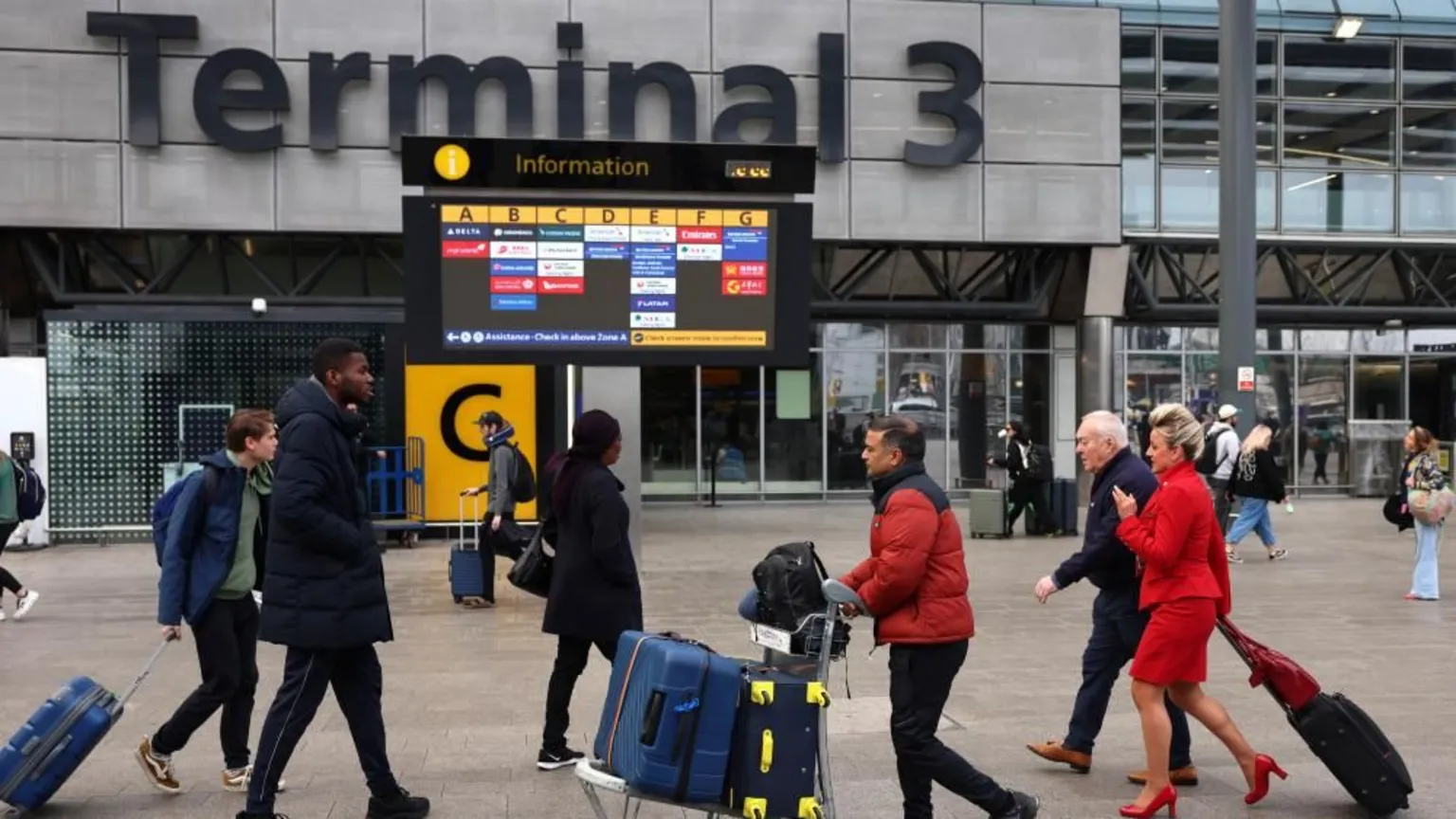

What Happened at Heathrow?
If you were one of the thousands of travelers affected by Heathrow Airport’s shutdown last Friday, you’re probably wondering how something like this could happen at such a major airport. A fire knocked out a key substation, causing a temporary shutdown that disrupted flights and caused chaos. But what really went wrong? Was it a power failure, or was there more to the story?
In this article, we’ll break down what happened, why Heathrow’s airport had “enough power”, and what lessons are being learned to prevent this from happening again.
What Caused the Shutdown at Heathrow?
On Friday, a fire at Heathrow Airport’s substation sent the airport into a frenzy. For a moment, it looked like there was a massive power failure, but that wasn’t the case at all. The fire damaged a crucial part of Heathrow’s power supply, forcing the airport to switch its power source from the affected substation to others.
John Pettigrew, the CEO of National Grid, reassured the public that Heathrow had enough power from two other substations still fully operational. It was not the lack of power that caused the delay, but the time it took for the airport to switch to alternative power sources.
Why Did It Take So Long to Get the Airport Back Online?
If the airport had enough power, why was there a shutdown in the first place? The issue wasn’t a lack of electricity but the transition process.
- Power Transfer Time: It took longer than expected for Heathrow to switch from the damaged substation to the remaining two operational substations. This resulted in flight delays and operational hiccups, as the airport’s systems were temporarily affected by the power transition.
- Unique Event: According to Pettigrew, this was a “unique event”. The fire at the substation was an isolated incident, and it caught everyone off guard. Heathrow had never faced such a situation before, which caused some confusion in responding to the crisis.
While two other substations remained operational, the shutdown occurred because of the lag time in getting everything back online quickly.
Heathrow’s CEO Speaks Out: No Lack of Power
Heathrow’s CEO addressed the confusion, stating clearly that the issue was not due to a lack of power. Instead, the airport’s systems were impacted by the time it took to switch to the backup substations. According to her, Heathrow was never in danger of running out of power—it was simply a matter of ensuring everything was transitioned smoothly without causing further disruptions.
So, no, Heathrow wasn’t about to go dark. There was always enough power—it just took longer than expected to switch over. But does this mean the airport was prepared for this type of incident?
Heidi Alexander: Confidence in Heathrow Management
In the wake of this incident, Transport Secretary Heidi Alexander was asked whether she had full confidence in Heathrow’s management. She stated that the airport’s board would be the right place to address those questions.
While the public response from Heathrow’s management seemed confident, questions remain about how prepared they were for such an unusual event. Did they have contingency plans in place, and were these plans executed effectively?
What Lessons Can Be Learned?
The fire at Heathrow’s substation may have been a unique incident, but it highlights some key areas for improvement. For one, airports and other critical infrastructure need to be prepared for all kinds of emergency scenarios, including unexpected power failures or equipment malfunctions.
Here are a few lessons that can be learned:
1. Backup Systems Matter
Heathrow was able to avoid a complete crisis thanks to its backup substations. However, the airport may want to consider improving its emergency response times and the speed at which it can switch between power sources.
2. Communication is Key
A clearer communication strategy could have helped calm travelers and provide more timely updates. Airport officials could have used more direct communication to let passengers know there was no real power shortage, just a time delay in transitioning to backup systems.
3. Prepare for the Unexpected
No one expected a fire at Heathrow’s substation, but airports should have more agile responses in place for unforeseen events. Investing in more advanced power systems, and perhaps faster switch-over technology, could minimize delays in the future.
Heathrow’s Power Situation is Stable, But Improvements Are Needed
In the end, Heathrow Airport’s power crisis was a unique event that caused a temporary disruption, but the airport had enough power thanks to its backup substations. While the situation was resolved, it exposed some key areas for improvement in terms of response times and communication.
As travelers, it’s essential to understand that power failures can happen anywhere—even at one of the world’s busiest airports. But it’s reassuring to know that Heathrow had the resources to manage the situation without a full power outage. Going forward, the airport will likely invest in improving its emergency protocols to ensure smoother transitions during crises.

