
UK Shifts to “War-Fighting Readiness,” Starmer Urges Whole Society to Step Up – Plus New Pressure on Rachel Reeves Over Affordable Housing

UK’s Security Posture Tightens Amid Global Tensions
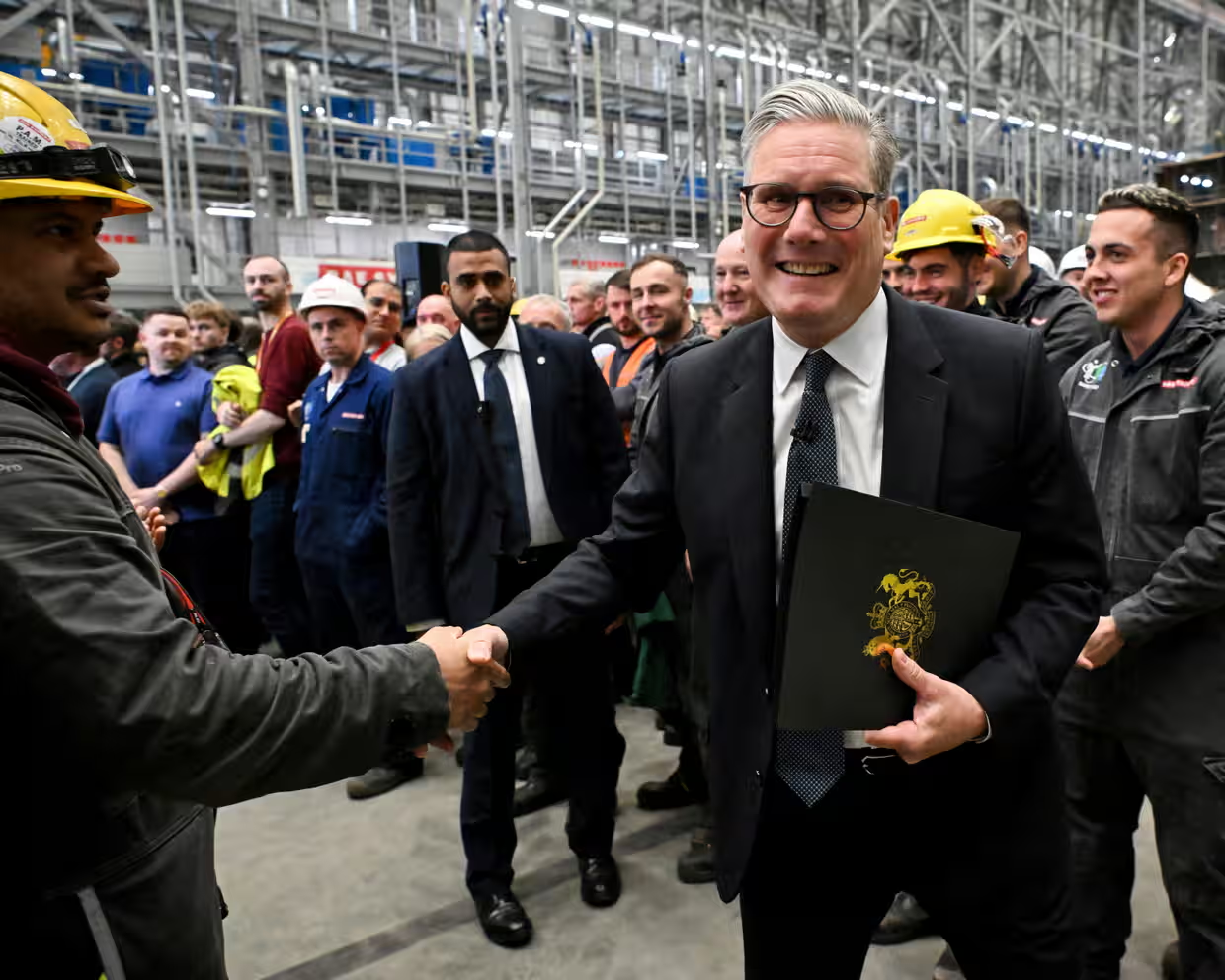
Amid rising global uncertainties and geopolitical tensions, the UK is officially moving towards a state of “war-fighting readiness,” according to Labour Party leader Keir Starmer. In a recent statement, Starmer emphasized that the country must prepare comprehensively, calling on “every part of society” to play an active role in national defence.
This marked shift signals the government and opposition aligning on the urgent need to bolster the UK’s military capabilities and resilience in the face of evolving threats, ranging from state-based conflict to cyber warfare.
What Does “War-Fighting Readiness” Mean?
“War-fighting readiness” refers to the UK’s strategic posture aimed at ensuring the armed forces and civilian sectors are prepared for any potential conflict scenario. This includes:
- Enhancing military capabilities with modern equipment and technology.
- Strengthening intelligence and cybersecurity defenses.
- Mobilizing infrastructure and supply chains to support rapid deployment.
- Encouraging civilian sectors, from healthcare to manufacturing, to contribute to national security.
Starmer’s call reflects a broader recognition that modern conflict isn’t limited to battlefields but includes economic, technological, and societal domains.
Starmer’s Call for a Whole-Society Approach
Starmer urged that defence isn’t solely the government’s responsibility. Instead, every part of society—from businesses and communities to schools and local councils—must contribute to the UK’s resilience.
This could mean businesses adapting to support defence needs, educational programs to prepare young people for security challenges, and community initiatives to foster national unity and vigilance.
In his statement, Starmer underscored that ensuring the UK’s safety requires a collective effort, highlighting the interconnectedness of modern threats and the need for societal cohesion.
Context: Rising Global Instability
The UK’s move towards a heightened security posture comes amid several factors:
- Increasing tensions with Russia and China on geopolitical and cyber fronts.
- The ongoing impact of the war in Ukraine, which has altered European security dynamics.
- The rise of hybrid warfare tactics that blur the lines between military action and covert operations.
- Growing concerns over terrorism and domestic extremist threats.
These factors have pushed policymakers to rethink defence strategies and ensure the UK is not caught unprepared.
Rachel Reeves Faces New Pressure on Affordable Housing
In other political news, Rachel Reeves, the Shadow Chancellor, is under fresh pressure to increase spending on affordable housing dramatically. A recent industry report revealed that the government has significantly overestimated how many affordable homes it can deliver under current budgets and policies.
Housing advocates and opposition MPs argue that millions of people are struggling with rising rents and lack of secure housing, demanding a bold investment plan to close the gap. Reeves is now facing calls to commit billions more to affordable housing programs to meet the urgent needs of communities across the UK.
Why Affordable Housing Matters Now
The UK is currently experiencing a housing crisis with soaring prices, rising homelessness, and long waiting lists for affordable homes. The issue has become a major political battleground, especially ahead of upcoming elections, as voters seek solutions that will ease the cost of living and provide stability.
Affordable housing is not only a social issue but also linked to economic productivity and public health. Without access to secure housing, families face instability, which affects education, employment, and community wellbeing.
Challenges Facing the Government and Opposition
The report highlighting the government’s overestimation of affordable housing delivery exposes cracks in current policy approaches. Both the ruling party and the opposition must find effective ways to fund, build, and allocate affordable homes.
For Rachel Reeves, this means balancing fiscal responsibility with urgent social needs—a challenge that requires careful negotiation and creative policy solutions.
What’s Next for UK Politics?
With security and housing dominating headlines, UK politics faces significant pressure on multiple fronts:
- Defence and security will require sustained investment and cross-sector cooperation, with Starmer pushing a message of unity and preparedness.
- Housing will demand bold policy moves and likely increased government spending, with public pressure mounting on Reeves and other leaders.
How these issues are managed will play a critical role in shaping voter perceptions and the political landscape in the coming months.
A Nation Preparing for the Future
The UK stands at a crossroads with the dual challenge of preparing for possible global conflict while addressing pressing domestic issues like affordable housing. Keir Starmer’s call for a whole-society approach to defence reflects a modern understanding of security that goes beyond traditional military might.
Meanwhile, Rachel Reeves faces the tough task of steering housing policy to better meet public needs. As these debates unfold, the government and opposition must find ways to work effectively to ensure the UK remains secure, resilient, and fair for all citizens.

