
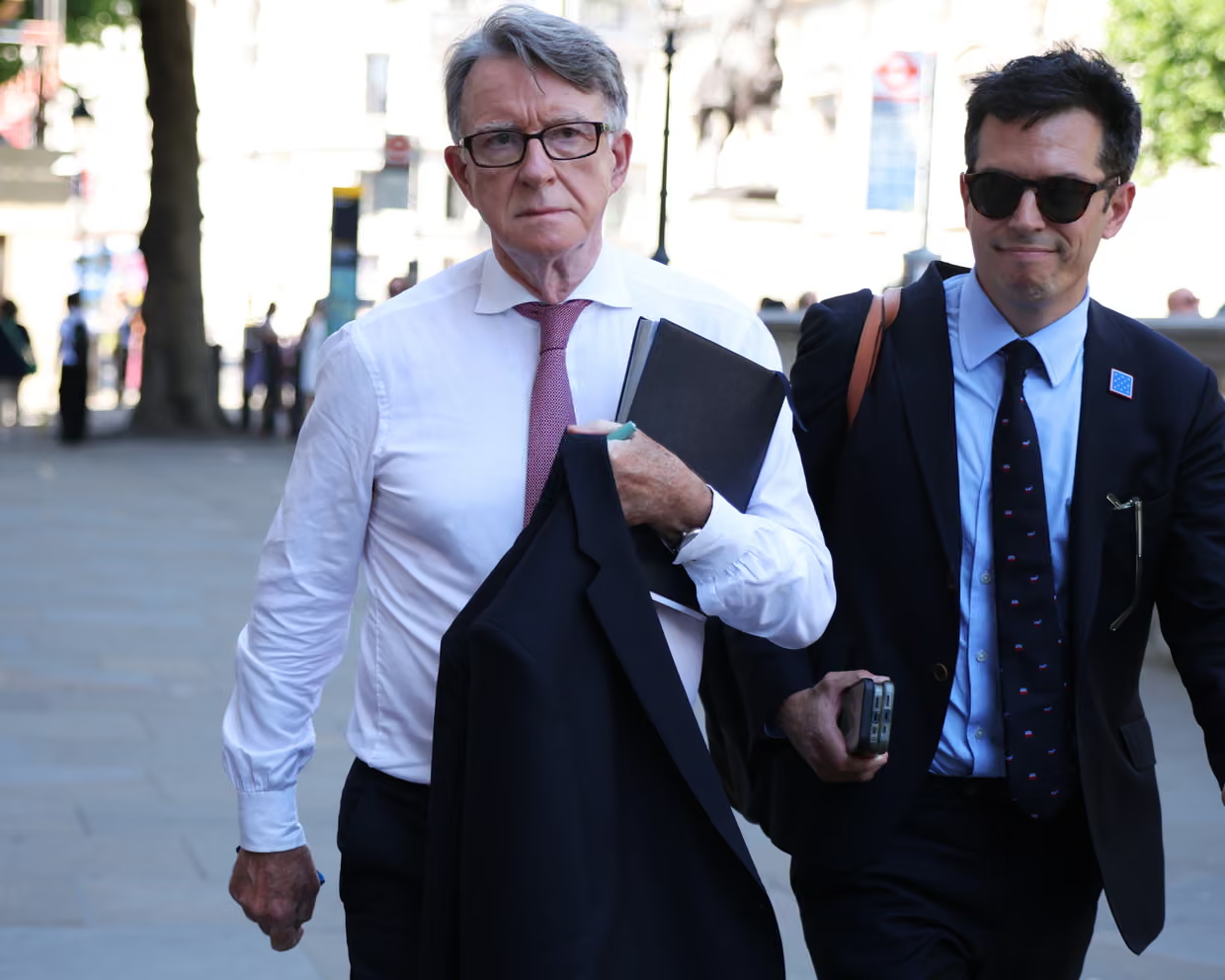
Labour MPs Concerned Over Rayner and Mandelson Departures Amid Calls for Ambassador Scrutiny

Labour MPs are reportedly despondent following the departures of key figures Angela Rayner and Peter Mandelson, highlighting internal concerns about leadership transitions and the party’s influence in UK politics. Scotland Secretary Douglas Alexander remarked that MPs “feel quite acutely that sense of loss” after Rayner’s exit, reflecting a sentiment shared across the Labour benches.
Rayner, a prominent voice within the party, had been instrumental in shaping Labour’s approach on domestic policy and parliamentary strategy. Her departure leaves a gap that MPs fear could impact party cohesion and influence within Westminster.
Mandelson Sacking Sparks Calls for Oversight
The sacking of former European Commissioner and Labour stalwart Peter Mandelson from his post as UK ambassador has further fueled political debate. The Liberal Democrats have called for a more robust role for the Commons Foreign Affairs Committee in vetting Mandelson’s replacement.
Calum Miller, Lib Dem spokesperson for foreign affairs, stated:
“The prime minister’s appointment of Mandelson was a clear error of judgment, a mistake that we cannot afford to let him repeat. With Trump in the White House, we need an ambassador who will stand up to the president and represent British values.”
Miller emphasized the importance of parliamentary oversight to prevent further missteps that could damage the UK’s international reputation. The committee is expected to scrutinize the next appointee carefully, ensuring that diplomatic representation aligns with British interests and values.
Implications for UK Politics
The dual departures of Rayner and Mandelson underscore a period of uncertainty within Labour and UK diplomacy. Analysts suggest that the party will need to quickly fill leadership and advisory gaps to maintain political momentum ahead of upcoming legislative debates and international negotiations.
The Mandelson controversy, in particular, has drawn attention to the need for greater transparency and checks in ambassadorial appointments. Critics argue that such appointments should not only reflect political loyalty but also diplomatic competence, especially during a period of heightened tensions with the United States.
Looking Ahead
Labour MPs are expected to regroup and assess how best to navigate the post-Rayner and Mandelson landscape, balancing internal cohesion with external political influence. Meanwhile, calls for increased scrutiny over ambassadorial appointments signal a growing emphasis on accountability and competence in British diplomacy.
As the political climate evolves, the party faces both challenges and opportunities to redefine its strategy and maintain its relevance in UK politics.

