
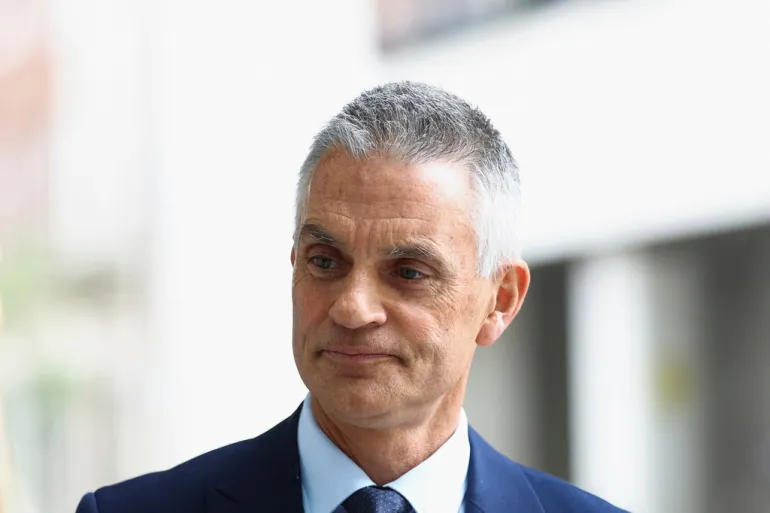
Tim Davie Resigns as Head of BBC After Mounting Controversy and Editorial Turmoil

In one of the most turbulent leadership exits in recent BBC history, Tim Davie has resigned from the role of Director-General in a dramatic development that has sent shockwaves through the UK media landscape. His resignation comes amidst growing political scrutiny, public beratement, and an internal crisis stirred up by a controversial documentary that initiated intense debate over the editorial impartiality of the BBC.
Tim Davie took over the BBC in 2020 and has led the organization through some of its most transformative-yet-challenging times, from fighting for funding to restructuring for a digital world, amid political pressure over impartiality. His period in charge has been marked by the difficult balancing act of maintaining the BBC’s credibility while adapting to rapidly changing media consumption patterns. The final blow seems to have come from the fallout of a documentary criticized for perceived political bias-an incident that cost the broadcaster two top executives within days.
The controversy started when the BBC aired a documentary covering a high-profile political speech that critics argued lacked balance and context, sparking allegations of deliberate editorial slant. The backlash was immediate and intense: politicians, media analysts, and viewers alike questioned the BBC’s commitment to neutrality. What followed was a storm of accusations, internal reviews, and external pressure that steadily eroded confidence in leadership.
Along with Davie, the chief executive of BBC News resigned, which is an indication of the gravity of the situation and of the extent of internal accountability that the organisation felt obliged to demonstrate. This twin resignation was supposed to give some stabilizing effect on public trust, but underlined deeper issues inside the BBC, from strained governance structures to long-existing tensions between editorial independence and political forces.
The resignation statement by Davie was measured but emotional. He acknowledged the pressure on the organisation and took responsibility for what he described as “serious editorial lapses.” He stressed that the mission of the BBC to provide unbiased and trustworthy journalism should always remain uncompromised, even as the broadcaster navigates an increasingly polarised social and political environment. His departure, he said, was in the best interest of the institution he has long been part of.
The BBC Board has responded quickly, thanking Davie for his years of service but acknowledging the organisation had entered a critical period that required decisive leadership. It’s expected to appoint an interim Director-General shortly, while the BBC launches a broader search for a permanent successor who can steer the broadcaster through ongoing digital transformation, and restore public confidence.
But Davie’s departure is more than a single scandal about a documentary. For several years now, the BBC has been in a crossfire created by government scrutiny, financial challenges, and increasing competition from streaming giants. The licence fee model, long the foundation of funding for the BBC, faces renewed debate over restructuring or replacement. Meanwhile, the organisation is also forced to modernise at a speed never seen before, as younger audiences continue to shift to digital and social platforms.
Critics contend that Davie failed to handle this sensitive transition without compromising the core principles that defined the BBC. A supporter, however, may say that his initiatives on increasing digital commissions, making BBC News more diverse, and managing the operations more efficiently have been positive moves to secure the future of the broadcaster. His resignation, many fear, could disrupt ongoing efforts for reform and create a leadership vacuum at the worst possible time.
Political reactions have been sharply divided: Some politicians welcomed the resignation as necessary for accountability, while others warned against treating the incident as political leverage and urged protection of the BBC’s editorial independence. Media analysts have similarly echoed concern that leadership upheavals triggered by political pressure could set a dangerous precedent for public broadcasting.
The episode ultimately raises, for the public at large, disquieting questions about the future of the BBC-an institution that, for decades, has been regarded as a global benchmark for journalistic credibility. Restoring trust will require not only new leadership but a renewed commitment to transparency, rigorous editorial standards, and adaptation to a rapidly evolving information ecosystem. As the BBC prepares for the next chapter in its story, Tim Davie’s resignation is a stark reminder that it must continue to tread a fine line in balancing a commitment to impartiality with political, financial, and digital disruptions that are unlikely to abate anytime soon.
