
Power Shift in Britain: Rachel Reeves’ Bold Plan Could Let Local Leaders Control National Tax Money

A Major Shake-Up in UK Economic Power
In a move that could reshape how money flows across England, Rachel Reeves has announced plans to give regional leaders a share of national tax revenues.
The proposal is being described as a “genuine break with the past”—a bold attempt to fix long-standing economic imbalances and reduce the dominance of central government in London.
If implemented, this could mark one of the biggest changes to the UK’s financial system in decades.
What Reeves Is Proposing
Sharing National Taxes with Regions
Reeves revealed that the Treasury is working on plans to allow mayors and regional authorities to receive a portion of national taxes—starting with income tax.
This means that instead of most tax money being controlled by the central government in Westminster, some of it would go directly to local leaders.
The goal is simple: give regions more control over their own economic future.
Why This Plan Matters
Tackling Regional Inequality
The UK has long struggled with economic imbalance. London and the South East have significantly more wealth and investment compared to other parts of England.
Reeves pointed out that the UK is one of the most centralized countries among advanced economies—and also one of the most unequal in terms of geography.
By giving regions more financial power, the government hopes to:
- Boost local investment
- Create jobs outside London
- Support long-term economic growth across the country
A “Genuine Break with the Past”
Moving Power Away from Westminster
For decades, major spending decisions have been controlled by central government. Reeves wants to change that.
Her plan signals a shift toward “fiscal devolution”—a system where local governments have more authority over money and spending.
This approach is already used in some other countries, where regional governments have greater control over taxes and budgets.
Where the Announcement Happened
The Mais Lecture
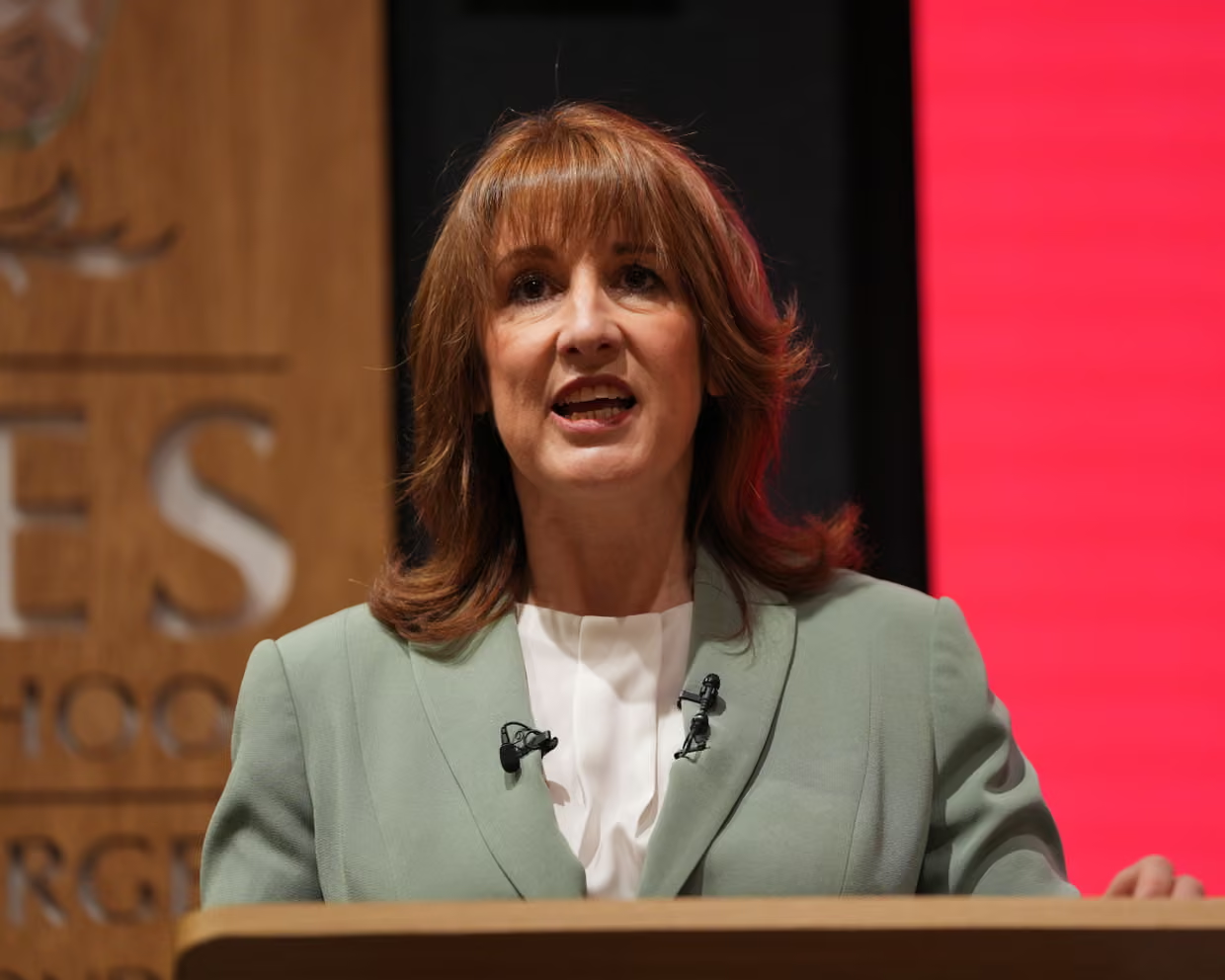
Reeves unveiled her vision during the prestigious Mais Lecture, held at Bayes Business School.
The lecture is a major platform for economic policy announcements, and this was the second time Reeves has delivered it—highlighting the importance of her message.
What Happens Next
Autumn Budget Will Be Key
The detailed plan is expected to be presented during the upcoming autumn budget.
At that point, the government will outline:
- How much tax revenue will be shared
- Which regions will benefit first
- How the system will be implemented
While the idea is ambitious, it will likely face debate over how funds are distributed and whether all regions will benefit equally.
Potential Benefits of the Plan
More Local Control
Regional leaders could make faster, more targeted decisions based on local needs—whether that’s infrastructure, housing, or business support.
Stronger Local Economies
With direct access to funding, regions could invest in industries and projects that drive long-term growth.
Reduced Dependence on Central Government
Local authorities would rely less on funding decisions made in London, creating a more balanced system.
Challenges and Questions
Will It Work Fairly?
One key concern is whether wealthier regions will benefit more than poorer ones, potentially widening gaps instead of closing them.
Managing the Transition
Shifting financial power is complex. It requires careful planning to ensure stability and avoid disruptions to public services.
Final Thoughts
Rachel Reeves’ plan could redefine how England manages its economy. By giving regional leaders a share of national tax revenues, the government is aiming to create a more balanced and locally driven system.
Whether it succeeds will depend on how the policy is designed and implemented—but one thing is clear: this is a major step toward changing how power and money are distributed across the country.

