

UK-EU Strike Controversial Fishing Deal as Leaders Meet in London
A major political storm is brewing after the UK and European Union reached a new agreement extending EU fishing rights in British waters for an unexpected 12 years. This surprise move was announced as leaders gathered in London for a summit aimed at resetting UK-EU relations post-Brexit.
The deal has instantly become a flashpoint, especially for the UK fishing industry, which had hoped Brexit would finally give British fishermen more control over national waters. Instead, the extended access for EU fleets is being seen by critics as a major climbdown by the UK government.
What’s in the New Deal?
The summit produced a package of new cooperation measures, but the most talked-about element is the 12-year extension of EU fishing rights. Here’s a breakdown of the key points from the agreement:
1. Fishing Access for EU Fleets
EU fishing boats will continue to operate in UK waters under current terms for another 12 years. This is significantly longer than most observers expected, and far beyond the temporary post-Brexit arrangements that were originally discussed.
2. Food and Agriculture Checks
The UK has agreed to permanent sanitary and phytosanitary (SPS) checks on agrifood exports. This means a more predictable and stable system for UK businesses exporting to the EU, especially in sectors like meat, dairy, and produce.
3. Easier Travel for UK Citizens
In a move welcomed by many travellers, UK passport holders will now be able to use fast-track e-gates when entering EU countries. This is expected to ease airport congestion and improve post-Brexit travel experiences for holidaymakers and businesspeople alike.
4. Security and Defense Cooperation
The deal also opens the door for the UK to engage in EU defense initiatives, including potential access to a €150 billion European Defence Fund. This marks a major step towards mending strategic ties that were strained after Brexit.
5. Youth Mobility and Education
There are also early-stage talks about reviving student exchanges and youth travel opportunities. This could potentially include rejoining the Erasmus scheme, which the UK exited during Brexit negotiations.
Industry Reacts: “This Wasn’t the Brexit We Were Promised”
For the UK fishing industry, the 12-year fishing deal has landed like a cold wave. Fishing leaders had long called for reduced EU access to British waters, arguing that the current quota system still heavily favours EU boats.
Instead, this deal preserves the status quo—and then some—for more than a decade.
Anger From Fishermen’s Groups
Industry bodies quickly criticized the agreement, saying it undermines promises made during the Brexit campaign. Many had supported Brexit based on pledges that British waters would be reclaimed for British fishers. For them, this deal is a betrayal.
“They’ve sold us out,” one industry spokesman said. “We were told we’d take back control. Instead, we’ve given it away for another 12 years.”
Political Fallout: Questions and Criticism Mount
The political reaction has been swift—and sharp.
Government Under Pressure
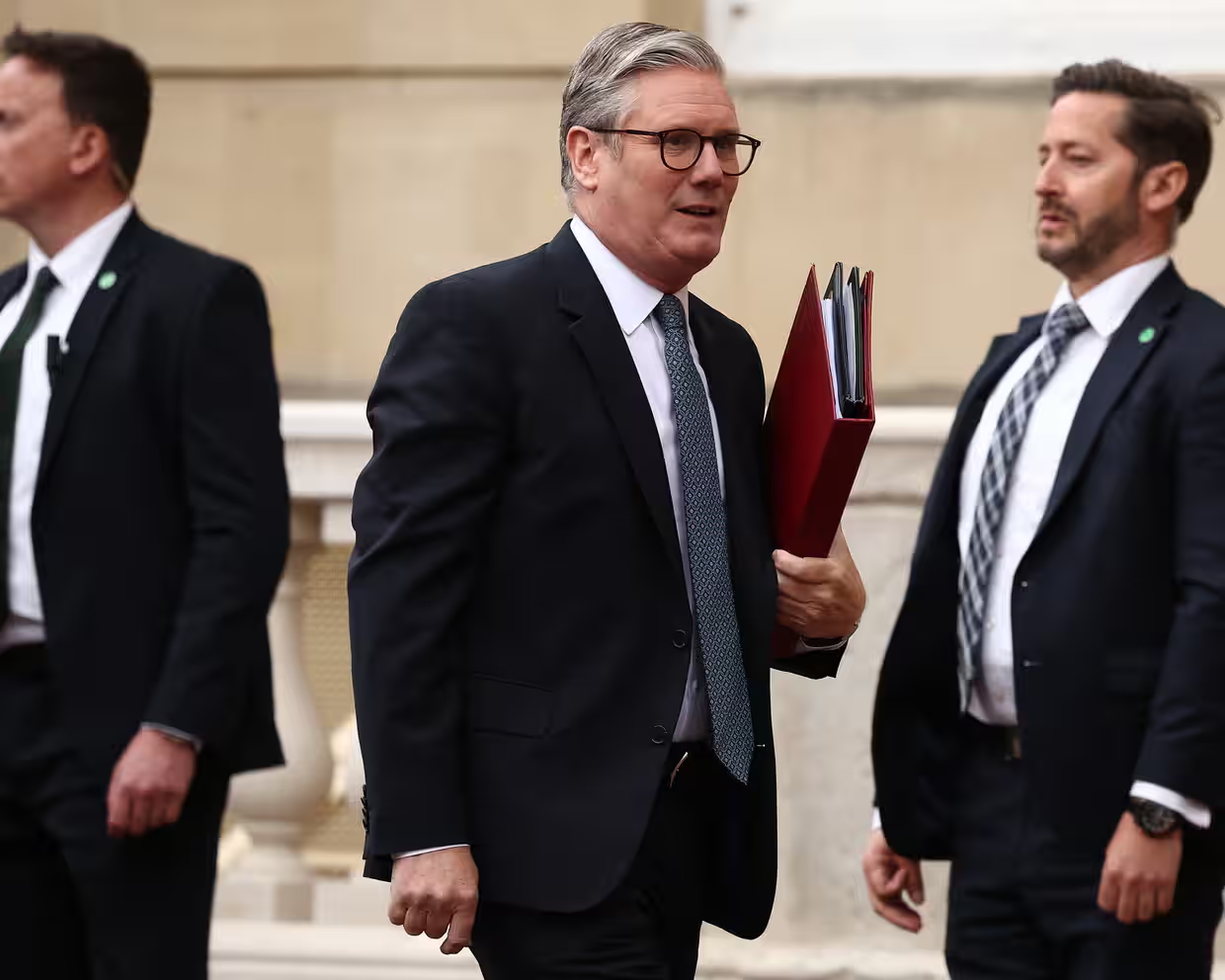
Labour Prime Minister Sir Keir Starmer is standing by the deal, calling it “pragmatic” and “good for jobs, growth, and cooperation.” However, even some within his own party have questioned the optics of such a lengthy agreement, especially after past criticisms of Conservative Brexit arrangements.
Conservatives and Reform Party Outraged
Figures from the Conservative opposition and the Reform UK party are calling the 12-year term a major misstep. Several MPs described it as “giving away the family silver,” especially to an EU that the UK had just worked so hard to leave.
Nick Robinson of the BBC directly pressed Cabinet Minister Pat Reynolds on whether the reports of a 12-year deal were true. Reynolds notably did not deny the figure, further fueling speculation and criticism.
Scottish Government Reacts
In Scotland, where fishing is a key economic issue, the SNP and other local leaders have blasted the agreement. Many argue it damages Scotland’s fishing communities while offering little in return. Some have even called for greater Scottish control over fisheries policy going forward.
Environmental Concerns: What About Sustainability?
Aside from economic and political concerns, the deal is also raising red flags among environmental groups.
Experts worry that continued EU access, especially under current quotas, could strain fish populations that are already under pressure. Species like cod and herring have seen declining numbers in recent years, and there are fears that a long-term extension could worsen overfishing in certain areas.
Some conservationists have called for the government to publish environmental impact assessments before finalizing the full details of the deal.
Why Did the UK Agree to This?
The government argues that the wider benefits of the deal—like smoother trade, improved travel, and stronger security ties—make the fishing compromise worth it.
Supporters also note that a stable, predictable relationship with the EU could help reduce friction that has plagued industries since Brexit. For example, British food exporters have struggled with red tape and border delays; the new SPS agreement may ease that burden.
Furthermore, UK leaders appear to be prioritizing diplomacy and rebuilding trust with the EU, especially amid global tensions and security challenges.
But critics aren’t convinced. Many argue that fishing has once again become a bargaining chip—one that the UK keeps giving away.
What Happens Next?
The deal still needs to be formally ratified, and some parts may be subject to additional negotiation. In the meantime, political pressure is likely to build from both sides of the Brexit divide.
The fishing industry will continue to push for more say in the UK’s long-term strategy, while political parties on the right are already using the issue as ammunition ahead of the next general election.
The big question: Will voters see this as a smart move toward cooperation—or a Brexit backtrack?
Final Thoughts
The 12-year EU fishing deal may seem like a niche issue, but it touches on core questions about sovereignty, trust, and what Brexit was really supposed to deliver. While some see it as a necessary compromise, others view it as a sign the UK is drifting away from its post-Brexit promises.
Either way, the ripple effects from this summit will be felt far beyond the docks and harbors—reaching deep into Westminster and shaping the next chapter of UK-EU relations.

