
Reform UK’s Bold Plan: Tax Rich Newcomers £250,000 to Boost Britain’s Poorest Workers

Reform UK has revealed an eye-catching new policy aimed at tackling inequality in the UK by charging wealthy foreigners and returning British expats a hefty £250,000 fee to gain tax perks — and then using that money to help the country’s lowest-paid workers. The proposal, called the “Britannia Card,” promises to put cash directly into the pockets of millions of struggling workers while attracting high-net-worth individuals to the UK under a special tax regime.
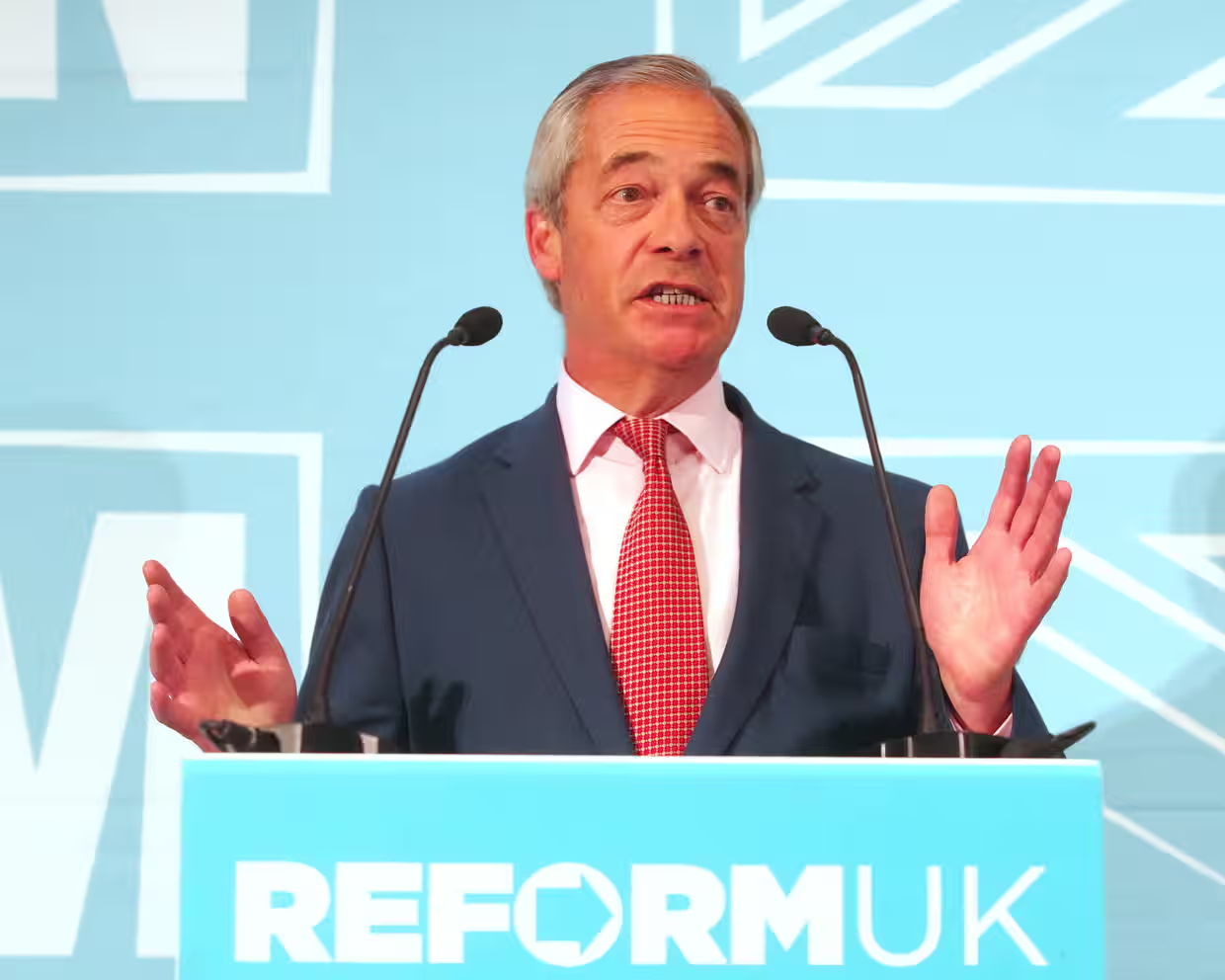
Party leader Nigel Farage is set to unveil the Britannia Card policy this week. He believes the scheme offers a win-win solution by creating a new revenue stream for the government while rewarding wealthy newcomers with a unique tax status. At the same time, it injects much-needed financial support to those earning the least in Britain.
What Is the Britannia Card?
The Britannia Card would grant a 10-year residence permit to wealthy foreigners and returning British citizens who pay a one-off “entry contribution” of £250,000. This payment essentially buys access to a special tax arrangement, including a return to the controversial “remittance basis” of taxation.
Under this system, cardholders could shield all their overseas income from UK tax. This means that money earned abroad wouldn’t be taxed in the UK. Even more appealing, these individuals would avoid inheritance tax completely — a feature likely to attract wealthy families looking to protect their assets.
Who Benefits from the Scheme?
Reform UK claims the fee revenue collected from these high-net-worth applicants will be redistributed fully to Britain’s bottom 10% of earners — those on the lowest wages.
This “Britannia workers’ dividend” could deliver tax-free payments between £600 and £1,000 annually to roughly 2.5 million low-paid full-time workers, depending on how many take up the card. The government’s tax authority, HMRC, would directly pay this dividend to eligible workers at the end of each tax year, ensuring the money reaches those who need it most without bureaucratic delays.
Why This Proposal?
The idea taps into growing concerns about inequality and wage stagnation in the UK. Many workers on low incomes struggle to keep up with the rising cost of living, and direct financial support could provide immediate relief.
At the same time, the UK remains a magnet for wealthy foreigners and British expats who want to enjoy the country’s lifestyle and business opportunities. The Britannia Card seeks to capitalize on this by offering an attractive tax deal in exchange for a significant upfront contribution, generating funds for social redistribution.
Nigel Farage and Reform UK argue this is a way to “rebalance” the economy by taking advantage of wealth coming into the country and making it work for those who are often left behind.
The Controversy Over the “Remittance Basis”
The remittance basis of taxation is not new but remains controversial. It allows foreign nationals living in the UK to be taxed only on income and gains they bring into the country (i.e., remit), rather than their worldwide income.
Critics argue it creates a loophole favoring the wealthy, allowing them to avoid paying their fair share of taxes while ordinary workers carry the burden.
Supporters of the Britannia Card say the upfront £250,000 fee balances this out, turning a tax break into a source of public funds to help low-income earners.
How Might This Impact the UK Economy?
If widely adopted, the scheme could bring millions in revenue that can be redistributed, boosting disposable incomes for the working poor and potentially stimulating local economies through increased spending.
For wealthy individuals, the tax benefits and security of a decade-long residency could make the UK an even more attractive destination, encouraging investment and business activity.
However, some economists warn about the risk of encouraging tax avoidance and increasing inequality if the scheme doesn’t include strong safeguards and transparency measures.
Political and Public Reactions
The policy is expected to generate mixed reactions. Reform UK supporters will likely praise it as innovative and practical, combining fiscal responsibility with social justice.
Opponents may criticize it for effectively creating a “golden visa” system that lets the rich buy their way into tax advantages, potentially undermining the fairness of the tax system.
There are also questions about whether such a scheme aligns with broader government immigration and tax policies.
What Happens Next?
Nigel Farage will officially present the Britannia Card proposal this week. The next steps include public debate, parliamentary scrutiny, and possible revisions to address concerns from lawmakers and civil society groups.
If successful, the policy could reshape how the UK manages immigration, taxation, and social welfare support — with far-reaching consequences for both rich newcomers and working-class Britons.
Reform UK’s Britannia Card proposal is a bold attempt to tackle inequality by taxing the wealthy newcomers while supporting the poorest workers. It promises extra cash in the pockets of millions of low-paid earners without raising taxes on existing citizens. Whether this plan can gain political traction and win public approval remains to be seen, but it certainly introduces a fresh angle to debates on tax fairness and immigration policy in the UK.

