
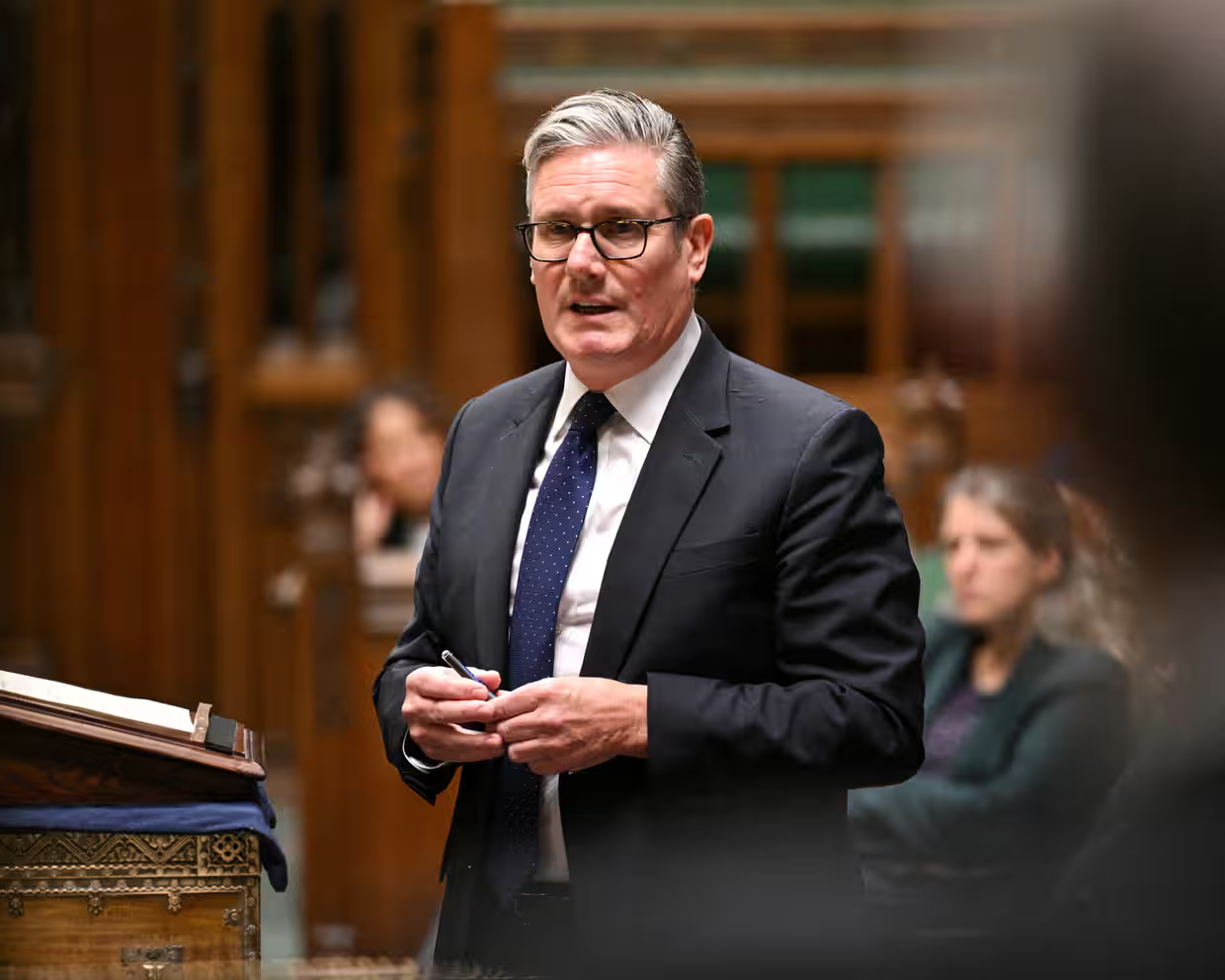
Starmer Faces Backlash Over ‘Two-Tier’ Disability Benefits Plan as Labour Rebels Plot Rebellion

Keir Starmer Under Fire: Labour Rebels Resist Disability Benefit Cuts Despite Government Concessions
Labour leader Keir Starmer is facing mounting pressure from within his own party as around 50 Labour MPs voice serious concerns over his government’s proposed disability benefit reforms. Despite concessions offered by No 10 to appease critics, many believe the changes will create a “two-tier” welfare system that unfairly divides current and future disability claimants.
The dispute threatens to overshadow the first anniversary of Labour’s return to power, and could lead to a significant parliamentary clash in the coming week.
The Heart of the Controversy: A “Two-Tier” System?
What’s in the Bill?
The government’s proposed welfare legislation includes £2.5 billion in future disability benefits cuts, part of a broader plan to reform Universal Credit. Under the current version of the bill:
- Existing claimants are exempt from the new rules.
- New claimants would be subject to revised assessments and potentially receive less.
- The health element of Universal Credit will rise in line with inflation, a last-minute offer meant to ease backlash.
Critics argue this approach risks splitting the welfare system into two classes of disabled individuals—those protected by legacy rules and those subjected to stricter criteria and lower support.
Labour MPs Plot to Delay the Bill
A group of rebel MPs is planning to table a fresh amendment on Monday, aiming to delay the vote and push for deeper changes or even a rethink of the entire bill.
This move comes despite claims from senior government sources that the tide is turning in Starmer’s favor. According to insiders, coordinated lobbying efforts by Labour whips have convinced enough of the original 120+ dissenters to soften their stance—possibly securing passage of the bill in Tuesday’s crucial vote.
But the amendment effort signals that opposition remains alive and potentially disruptive.
Starmer’s Mistakes and Political Fallout
In a candid interview on Thursday, Starmer acknowledged a number of recent political missteps, including controversial rhetoric in an immigration speech where he described the UK as “an island of strangers.” He also admitted errors in judgment around staffing decisions, such as the rehiring of his former chief of staff.
However, it’s the welfare row that now threatens to define Labour’s first year in office.
“This is not the reset moment they were hoping for,” one senior Labour insider said. “Instead of celebrating, they’re scrambling.”
Disability Rights Activists Mobilize
Protests and Public Anger
Outside of Parliament, disabled rights groups and activists have responded with anger and urgency. Images of protesters in wheelchairs marching through streets with banners and flags have become symbolic of growing resistance to the reforms.
Campaigners argue that even with current claimants protected, the bill sends a dangerous signal that future disabled individuals will receive less support—at a time when many are already struggling with the cost of living crisis and NHS delays.
The Government’s Position
Liz Kendall’s Concessions
Work and Pensions Secretary Liz Kendall has been at the center of damage control, offering key concessions to try to bring Labour MPs back onside:
- A guarantee that existing claimants will not lose out under the new system.
- A commitment to raise the health element of Universal Credit in line with inflation.
- Promises of future reviews to ensure fairness and avoid hardship.
Government sources have framed the concessions as “significant progress,” but critics say they fall short of addressing the underlying issue—why anyone with a disability should receive less than others simply because of when they applied.
Political Impact: What’s at Stake?
| Issue | Impact |
|---|---|
| Internal party unity | Starmer risks alienating the left of his party, especially MPs with strong ties to disability and welfare rights |
| Public perception | Cuts to disability benefits remain deeply unpopular with voters across party lines |
| Legislative agenda | A successful rebellion or delay could derail Labour’s broader welfare reform timeline |
| Anniversary optics | Labour’s one-year milestone now risks being dominated by infighting and public protests |
Can Starmer Contain the Revolt?
The coming week will be a critical test of Starmer’s leadership. While he appears to have regained some ground among wavering MPs, the rebel amendment on Monday may reopen wounds just as No 10 was hoping to close them.
Insiders say Starmer is personally engaging with MPs to prevent the issue from escalating further. But even if the bill passes, the perception of cruelty, division, and political backtracking may linger—especially if activists continue to organize nationwide protests.
Final Thoughts
Keir Starmer entered office promising a fairer Britain. But one year into his premiership, he finds himself embroiled in a bitter row over disability rights, internal party rebellion, and policy decisions that could fundamentally reshape how the UK treats its most vulnerable citizens.
As the vote looms and protests grow louder, Starmer’s ability to balance political strategy with moral responsibility may define not just this week—but his entire leadership moving forward.

