
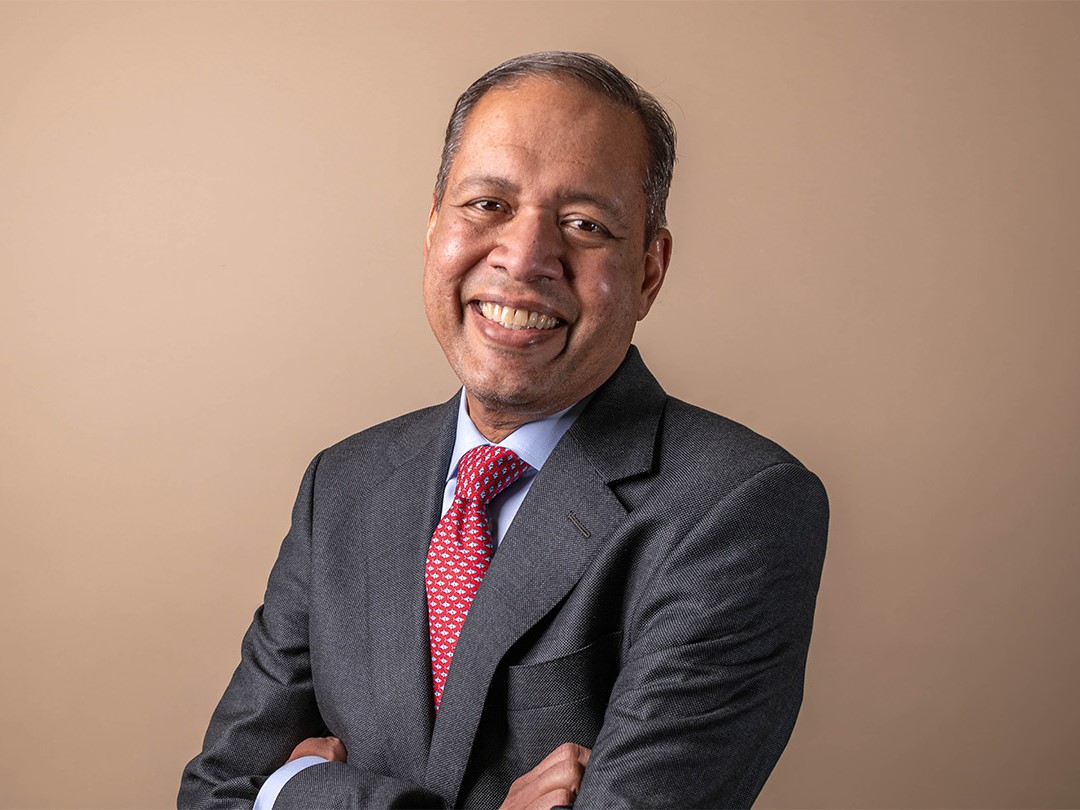

The Barclays chief executive has underscored the bank’s strong focus on stability, disciplined risk management, and resilience of the balance sheet as financial markets continue to see heightened volatility. Amidst uncertainty driven by geopolitical tension, fluctuating interest rates, and uneven economic recovery, the chief executive officer stated that Barclays is focused on long-term strength rather than taking short-term risks.
Addressing investors and other stakeholders, the CEO said the current market environment remains difficult for banks around the world. Ongoing inflationary pressures, central bank policy transitions, and precarious global growth prospects have heightened unpredictability across equity, currency, and fixed-income markets. Against such a backdrop, the leaders of Barclays believe stability and prudent decision-making are the keys to protecting shareholder value and customer trust.
The Chief Executive stressed that Barclays enters this period of volatility from a position of strength, with a strong, stable capital base and diversified business model. The bank’s mix of UK retail and business banking, corporate and investment banking, and wealth management operations has helped offset sector-specific pressures. This diversification, according to leadership, enables Barclays to absorb shocks more efficiently compared to institutions that are overly dependent on one source of revenue.
He stated that risk management remains at the core of the bank’s strategy. The chief executive reassured that Barclays continues to uphold rigid credit standards, active monitoring of loan books, and efficiently manages its sets of exposure to vulnerable sectors. Although the management team conceded some pockets of stress in certain markets, the leadership showed confidence that the bank’s conservative approach to underwriting and its solid liquidity position would cushion it from any potential risks on the downside.
The CEO also spoke to the impact of market volatility on customers, especially businesses and households facing increased borrowing costs. Barclays, he said, is committed to continuing support for clients through tailored financial solutions, responsible lending, and advisory services. For corporate customers, this includes helping firms navigate currency fluctuations, interest rate risks, and funding challenges. For retail customers, the areas of focus continue to be on financial resilience, savings products, and accessible banking services.
Technology and operational efficiency remain major parts of Barclays’ stability strategy. The chief executive officer pointed out that continuous investments have been made in digital banking platforms, cybersecurity, and big data analytics, and said they are fundamental in ensuring continuity of service and control of risk within turbulent markets. These investments are also aimed at improving the customer experience while operational costs are kept under control.
Despite the uncertain outlook, the CEO struck a cautiously optimistic tone about the medium-term prospects for the UK banking sector. While conceding that economic headwinds might prevail for some time longer, leadership pointed to signs of stabilization in certain markets and potential benefits arising from clearer monetary policy direction in the coming year. Barclays, said the chief executive, is well-placed to adapt as conditions evolve.
Also, the management of the bank tackled the concerns of shareholders regarding returns and reiterated commitment to disciplined capital allocation. The chief executive officer has affirmed that Barclays will keep up a delicate balance between investment in growth areas and shareholder distributions while making sure that strategic moves will align with long-term value creation rather than at the whim of the short-term market.
To industry analysts, the CEO’s comments reflect a broader trend among large UK banks, which are all increasingly selling resilience and good governance as the years of headlong change come to an end. In a world where market sentiment could turn on a sixpence, stability started to be a competitive advantage, not a conservative position. As the message was clear, Barclays continues to embark upon global markets in turmoil: caution, discipline, and strategic clarity are key to decision-making. Stability, as the chief executive manages to point out, would mean the inability to compromise on the bank’s core strengths while sailing through volatility for investors, customers, and employees alike. Barclays is positioning itself as one of the mainstay forces in UK and global finance amidst uncertainty.
