
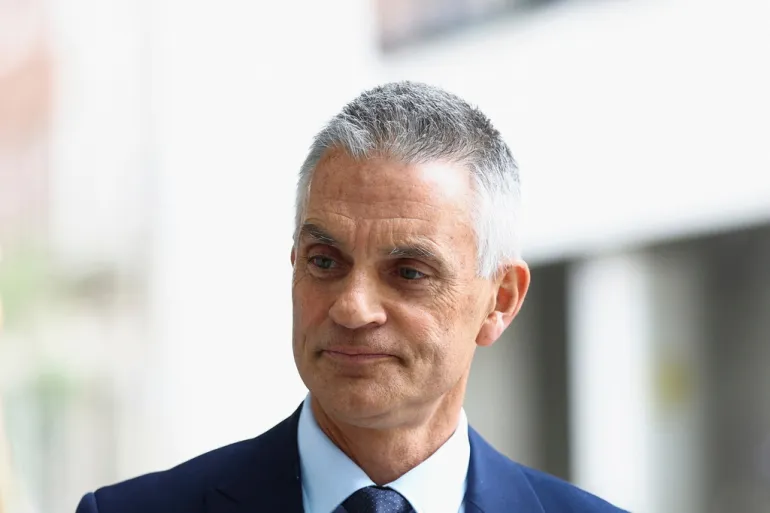

A big leadership change is underway at the British Broadcasting Corporation, with both the Director-General, Tim Davie, and the head of its News division, Deborah Turness, resigning. The move marks a crucial moment for the UK’s public service broadcaster, raising questions about editorial standards, institutional trust, and the future direction of one of the world’s most influential media organizations.
The resignations were the immediate result of a furor over an episode of the BBC’s flagship current-affairs program, Panorama. Included in the documentary was a portion of former U.S. President Donald Trump’s January 6, 2021 speech. Critics argue the program edited parts of the speech together to make it seem that he explicitly encouraged a march on the U.S. Capitol when the full context suggested otherwise. The incident drew intense scrutiny from both UK parliamentarians and international observers, prompting questions about the BBC’s editorial judgment.
Accompanying this, an internal memo that had been leaked from a former BBC standards adviser had then alleged “serious and systemic” bias within the corporation, along with other editorial concerns, including the coverage of the Gaza-Israel conflict and reporting on transgender issues. These allegations amplified public scrutiny and ratcheted up the calls for accountability at the top.
In a statement, Davie accepted that while the BBC had “delivered so much to which we should be rightly proud,” there have been some mistakes made, and he would take “ultimate responsibility” as Director-General. He further pointed out that he stepped down at this time to give his replacement sufficient time to prepare for the renewal process coming up for the BBC’s Royal Charter. Turness echoed this, saying that the controversy had reached a point where it was causing reputational damage to the BBC, “one I love dearly.”
The timing of these resignations is significant. In the last few years, the BBC has come under increasing scrutiny from a wide array of issues, ranging from its reporting on overseas conflicts to its internal culture and governance matters. Given this atmosphere, even though the controversy surrounding the Trump speech catalyzed this crisis, it revealed deeper problems with the editorial oversight and risk management processes of the corporation. According to critics, unless BBC resolves the systemic issues, mere changes in personnel will not be of much help.
With the top executives leaving at the same time, the BBC enters a period of leadership vacuum. The board is now obliged to manage the transition so that operations do not suffer and public confidence is maintained. Interim management arrangements are vital in maintaining stability during this period, especially at a time when the corporation is slated for big strategic decisions on charter renewal and future directions.
The resignations also bring into sharp focus the broader question of public trust. For many years, the BBC has been regarded as a standard-bearer for impartial journalism in the UK and worldwide. Leadership accountability is at the heart of building this trust. While personnel changes are important, regaining credibility requires sustained efforts. The move by the new leadership to improve editorial standards, increase transparency, and reinforce the culture of impartiality in the organization will be closely observed.
Another such factor is the renewal of the BBC’s Royal Charter, due in 2027, which defines the framework within which the corporation operates, its funding, and responsibilities. Stable leadership will be necessary well in advance of the review of the charter, to help shape the BBC’s strategic priorities and steer it through regulatory and political pressures. Both Davie and Turness stressed how orderly succession planning ensures continuity in such regards.
The leadership shake-up at the BBC also reflects broader trends affecting public service broadcasters in a period of digital media, misinformation, and political polarization. Institutions such as the BBC work through competing pressures from audiences, governments, and global media platforms with the imperative to remain credible and independent. The resignations provide a reminder of the delicate balance between editorial freedom and accountability, not to mention that of the inherent challenges in leading a globally recognized public service institution. In all, there are several key questions looking ahead: Who will replace Davie and Turness? Will the BBC turn inward, promoting from within those comfortable with its culture, or seek an outsider to signal change? How will the board introduce reforms to address editorial oversight, governance, and institutional trust? The answers will define the broadcaster’s ability to navigate the increasingly complex media landscape and its position as a source of trusted information.
But the BBC’s leadership shake-up is not a change in personnel; it’s a defining moment that has underlined the tumultuous state of affairs with which public service broadcasting grapples in modern times. How the corporation will respond in the next few months will seal not only its credibility and stability but also its role in shaping public discourse in the UK and beyond. The next chapter will test the BBC’s resilience, adaptability, and commitment to impartial, high-quality journalism.
