
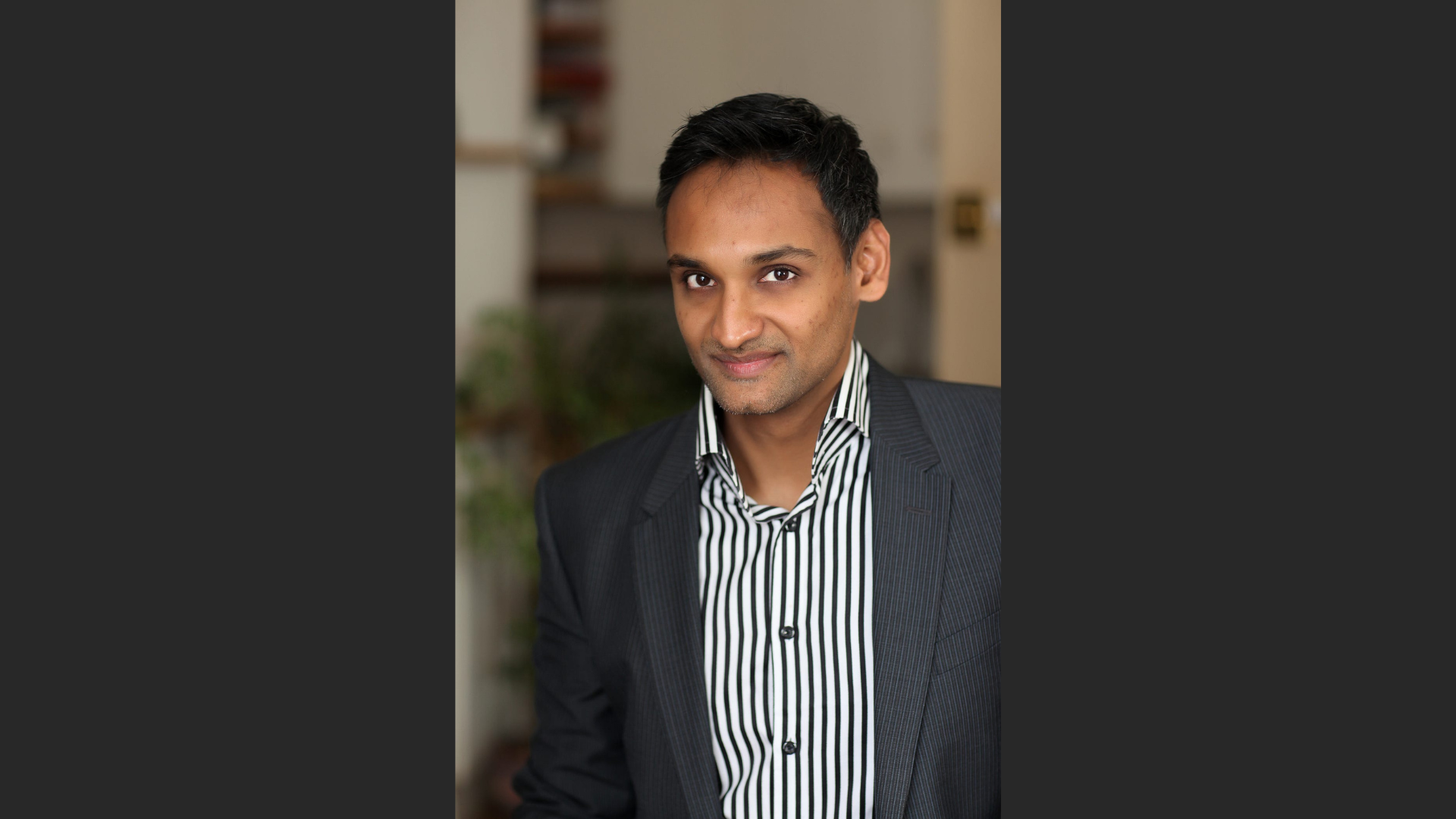
Brysa UK CEO Satish Thiagarajan Champions Client-Centric Transformation as Key to Modern Consulting

In a world of business constantly moving at an incredible velocity, digitization, changing customer behavior, and mushrooming competition, Satish Thiagarajan, CEO of Brysa UK, has emerged as one of the most vocal advocates for client-centric transformation in the consulting industry. His recent remarks, shared during a strategic briefing, underlined Brysa’s commitment to reshaping how organisations approach customer experience, operational efficiency, and digital reinvention.
Thiagarajan, who has managed Brysa’s UK operations through a period of significant growth, reinforced the fact that no modern business can be enabled to survive on just incremental improvements or siloed innovation. They have to have a holistic approach to their clients. They must design every function, decision, and process to align to this objective of creating value for clients. For him, client-centricity is no longer a differentiator but a minimum qualification to survive in markets characterized by nonstop disruption.
At the core of Brysa’s strategy is helping organisations transform their customer journeys by embedding data-driven insights, modern technology frameworks, and experience-led design principles. Many companies, Thiagarajan said, continue to underestimate just how profound customer needs have shifted in the last ten years alone, from the demand for real-time support to tailored services. Today, customers want seamless interactions across digital and physical touchpoints. “They reward companies that anticipate needs-not just respond to them,” he said, pointing out how proactive design and predictive intelligence will define future market leaders.
Recently, the Brysa consulting model has been increasingly focused on end-to-end transformation projects, especially in industries like media, industrial services, and enterprise technology. According to Thiagarajan, such industries experience unique pressures: continuous digital migration, extreme caution toward costs, and a need to derive extra value from assets already in place. A customer-centric model assists organizations in reassessing their operations based on customer outcomes, making the strategy more impactful with increased engagement and profitability.
The most significant shift Thiagarajan promotes is breaking down traditional organisational silos. He says transformation can only succeed when business strategy, digital innovation, and customer experience operate as one integrated system. Brysa’s work increasingly involves bringing cross-functional teams together-product, marketing, analytics, and operations-to create unified execution frameworks. “Fragmented decision-making is one of the biggest barriers we observe,” he explained. “When teams align around the customer, clarity and momentum follow.”
Data analytics also lie at the heart of Brysa’s client transformation philosophy. As Thiagarajan puts it, “Organizations in any industry today sit on mines of data that they have hardly leveraged to a level that will provide complete insight into customer understanding and operational agility.” By deploying advanced analytics, AI-driven modeling, and real-time dashboards, Brysa helps organizations unearth behavior patterns, pinpoint friction points, and optimize experiences at scale. According to him, an organization that invests in intelligent systems always delivers higher customer satisfaction, besides reducing costs and smoothing its processes.
Apart from that, Thiagarajan also concentrates on talent development within the client organisations. He believes true transformation requires a change in culture, not an upgrade of systems. Capability-building programs, designed to empower staff to think, act, and innovate with the customer at the heart of everything they do, are an increasing feature of Brysa’s engagements. “Technology creates the possibility,” he noted, “but culture unlocks the potential.” His view aligns with a broader trend in consulting where human-centred leadership is seen as essential to sustaining long-term transformation.
With Thiagarajan at the helm, industry observers say Brysa has become one of the strong contenders from consultancies based in the UK, which specialises in digital and customer transformation. The firm’s ability to blend strategic advisory with hands-on execution has made it a preferred partner for organisations looking to modernise rapidly without losing sight of customer needs. Analysts also point to Brysa’s agility—its ability to adapt its solutions to companies of varying sizes and digital maturity—as an important reason behind its expanding client roster. As companies prepare for continued economic uncertainty, rising expectations, and disruptive technologies, Thiagarajan believes the organizations that thrive will be those that stay closest to their customers.
His message was clear: transformation is no longer about adopting the latest tools or trend but about reimagining the business from the customer outward. “If you don’t anchor your transformation in customer value,” he said, “you risk building systems that look good on paper but fail in practice.” With Satish Thiagarajan at the helm, Brysa UK is redoubling its efforts in helping clients achieve meaningful, sustainable change: outcomes informed by, and for, the benefit of the people they serve-not assumptions batted around internally.

