
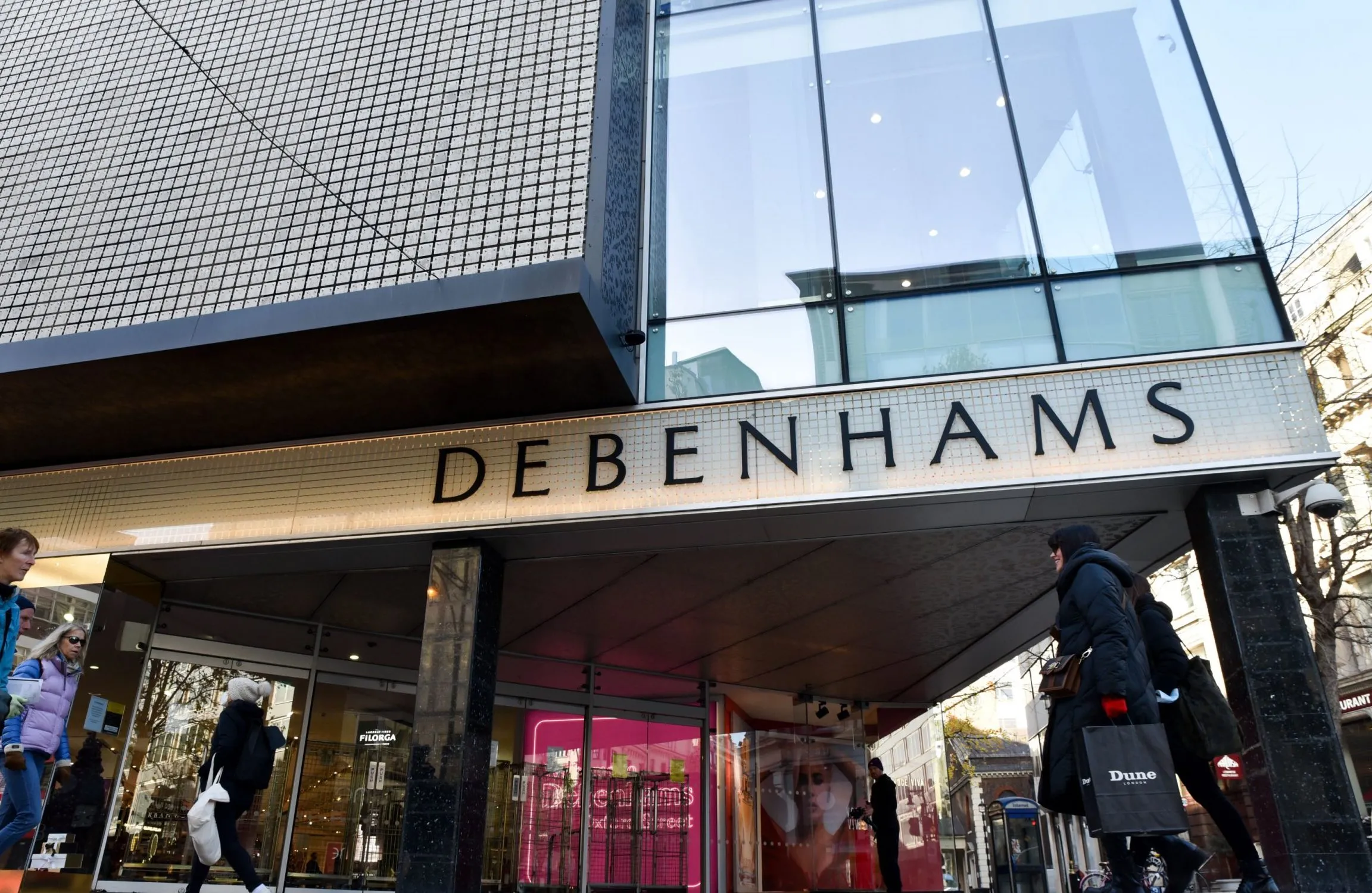

Debenhams is instituting a new, long-term incentive scheme to retain and incentivize its senior leadership team as the company implements an ambitious turnaround strategy. The scheme, entitled the Group Turnaround Scheme (GTS), represents one of the largest compensational restructurings the retailer has undertaken in recent years and underlines management’s confidence in the longer-term prospects of the company.
The new scheme replaces older incentive structures that the company said were not fitting for its trajectory at present and did not adequately reward the executives responsible for driving its recovery. Notably, earlier plans had excluded the current CEO and CFO-an omission that Debenhams’ board determined no longer aligned with the strategic ambitions of the business. The GTS seeks to correct that with strong performance-linked rewards directly related to measurable value creation over the coming five years.
Under the new scheme, senior leaders will only be compensated if ambitious financial and share-price milestones for the company are met. One of the most striking targets is a potential increase in the company’s share price to £3.00 within five years, a leap compared with recent trading ranges. If the company delivers this type of growth, the value creation would be transformative, pushing Debenhams’ market capitalisation into multibillion-pound territory.
If these targets are met, the chief executive stands to gain a substantial payout, reflecting the scale of responsibility thrown upon the leadership team. Included are the CFO and other senior managers, while the total possible payout for all participants reaches well into the hundreds of millions. These benefits will accrue only if the company’s recovery succeeds, with the plan thus very strongly performance-driven rather than guaranteed.
The GTS is structured to vest in stages over years three, four, and five of the program. This deferred reward structure ensures management is locked in for the long haul, bringing stability to the most challenging and transformative period of the retailer’s journey. Moreover, early vesting triggers a mandatory 12-month holding period; this avoids leadership leveraging short-term gains without showing consistent performance over time.
But one of the contentious parts of this plan is that it is not being put to a shareholder vote; though strictly legal, this has raised hackles among investor groups, given the scale of possible compensation and the complexity of the group’s financial history. The management counters that to seek a vote risks delay and loss of momentum at a key point in the turnround. It says that the scheme aligns leadership incentives with shareholder value and is structured to remunerate only demonstrable long-term success.
The new plan coincides with substantial internal and financial changes: Debenhams just completed a £39 million equity raise, executed a sale of non-core assets to simplify its operations, and refinanced its debt through a new multi-year credit facility. All these, put together, provide the company with what it has called a “clear runway” for transformation. Its leadership now believes that the GTS will support this next chapter by ensuring that executive incentives are fully aligned with the company’s long-term goals.
Not everyone is completely won over by these positive signals. Some investors feel that the plan could dilute existing shareholders’ interests if all awards eventually vest. Others question whether the scale of potential rewards is right for a company still emerging from financial hardship and facing stiff competition in an increasingly challenging retail environment. These concerns underscore the delicate balance between incentivising leadership and maintaining shareholder trust. Yet for Debenhams, the strategy is clear: if the company is to reposition itself in a market dominated by fast-fashion giants and e-commerce specialists, it must ensure that its leadership is both motivated and retained.
High-stakes, performance-linked compensation is one way to get this done, especially when the turnaround is so dependent on strategic execution. As the retail sector continues to evolve, Debenhams’ bold new incentive plan may well become a case study in how legacy brands reinvent themselves. Whether the Group Turnaround Scheme ultimately leads the company back to strong growth-or becomes a point of contention among investors-will depend on how effectively leadership can translate strategy into sustained performance. For now, the plan signals intent: Debenhams is betting big on its future, and it wants its top executives fully invested in that vision.
