
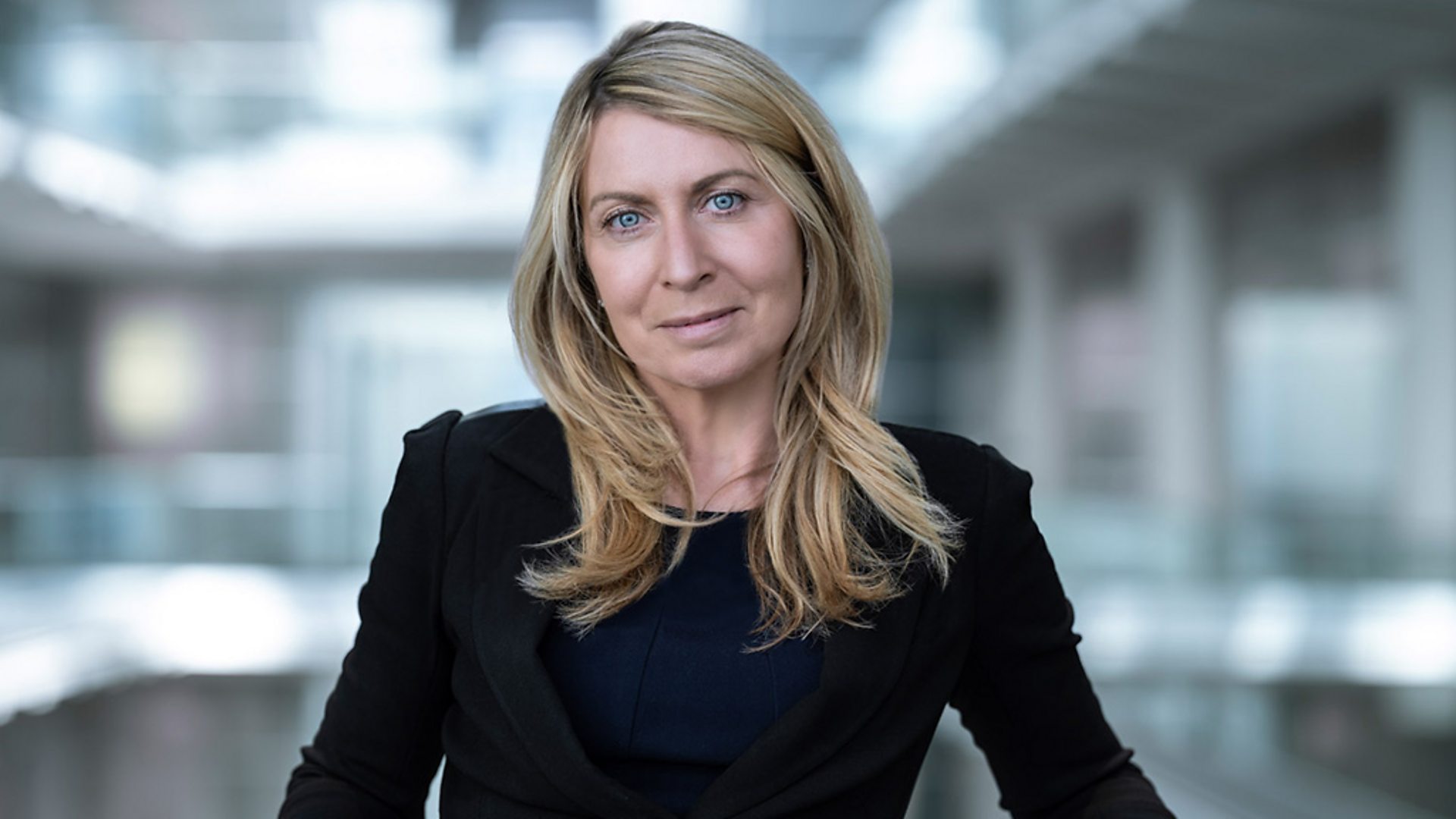
Deborah Turness—Steering BBC News Through Leadership, Turbulence and Transformation

Deborah Turness has long been regarded as one of the most capable and influential news leaders of her generation. As chief executive of BBC News, she brought with her a rare blend of UK broadcasting experience, global newsroom management, and an instinctive understanding of how journalism must evolve in a rapidly changing media landscape. Her tenure at the BBC marked a period of energetic modernisation, strategic restructuring, and, ultimately, significant controversy that tested both the institution and her leadership.
Turness’s career began in British television news, where she steadily worked her way up to become the editor of ITV News, the first woman to lead a national evening news programme in the UK. Her success there caught international attention, and NBC in the United States appointed her president of NBC News. Her years in New York cemented her reputation as a bold, dynamic executive with a global vision of how news should be gathered and presented. When she returned to London to become CEO of BBC News, many inside and outside the corporation saw her appointment as a major step in the BBC’s effort to refresh and strengthen its journalism for the digital era.
At the BBC, Turness was handed a huge and complex organisation: thousands of journalists working across television, radio, digital platforms, and the World Service. Under her tenure, BBC News aimed to expand global reach, sharpen its online presence, and modernise workflows to keep pace with the intense speed of digital news cycles. She advocated for a refocused commitment to accountability journalism and hardened the corporation’s fact-checking operations, placing a premium on precision and transparency as misinformation began to spread virally across the internet.
Yet, the challenges facing Turness were enormous. The BBC was operating under political scrutiny, funding pressures, and a highly polarized public environment in which almost every editorial decision could become a point of contention. It was into this maelstrom that a leaking internal memo brought about a full-blown crisis for BBC News. The memo accused the newsroom of serious editorial failings, especially a contentious edit of a past political speech, critics said misrepresented the content. The story spread quickly, dominating headlines and firing up passionate debate about impartiality, bias, and accountability at the national broadcaster.
Turness found herself at the centre of the storm. As CEO of News, she was ultimately responsible for editorial standards and for the newsroom culture that had come under scrutiny. While she defended the integrity of BBC journalists and rejected claims of systemic bias, she acknowledged that the situation had reached a level that demanded decisive leadership. In a surprise to some yet respected move by others, she announced her resignation, taking responsibility for what she described as a failure that overshadowed the achievements of the organization and undermined public trust.
Her departure marked an important inflection point for the BBC. It showed just how much stress is placed on public-service broadcasters in an era of instant news, rapid escalation of criticism, and disproportionate consequence even from minor errors. It also underscored the challenges of managing a newsroom expected to achieve total impartiality in a fractured political climate. But controversy is not the sole defining feature of Turness’s legacy at the BBC. She infused Britain’s most important news institution with global experience, energy, and innovation.
Her work modernising the newsroom, extending the international reach, and reaffirming rigorous standards for journalism will continue shaping BBC News long after she has left. She enters retirement with a career of firsts: the first woman to run ITV News, one of a small band of British executives to have led a big American newsroom, and the very rare leader trusted to run one of the world’s largest public-service news operations. As the BBC starts its next chapter, its future leadership will be built on foundations that Turness helped shape. Her story serves as one more reminder of the enormous pressures that modern news leaders face — and the enduring importance of trust, accountability, and editorial integrity in journalism.

