
Ex-Army Chief Says UK and Europe Must Step Up for Ukraine as US-Russia Talks Loom

Introduction
As tensions over Ukraine escalate, the conversation about how to resolve the conflict is heating up. Recently, retired General Sir Nick Carter, the former head of the British armed forces, stated that the UK and Europe may need to step in with security guarantees for Ukraine, especially if the U.S. pulls back from its support. This call comes as the U.S. under President Donald Trump moves towards direct negotiations with Russia, while the UK continues to advocate for Ukraine’s sovereignty. Here’s a breakdown of what’s happening and why this moment could be critical for the future of Ukraine.
UK and Europe Need to Step Up
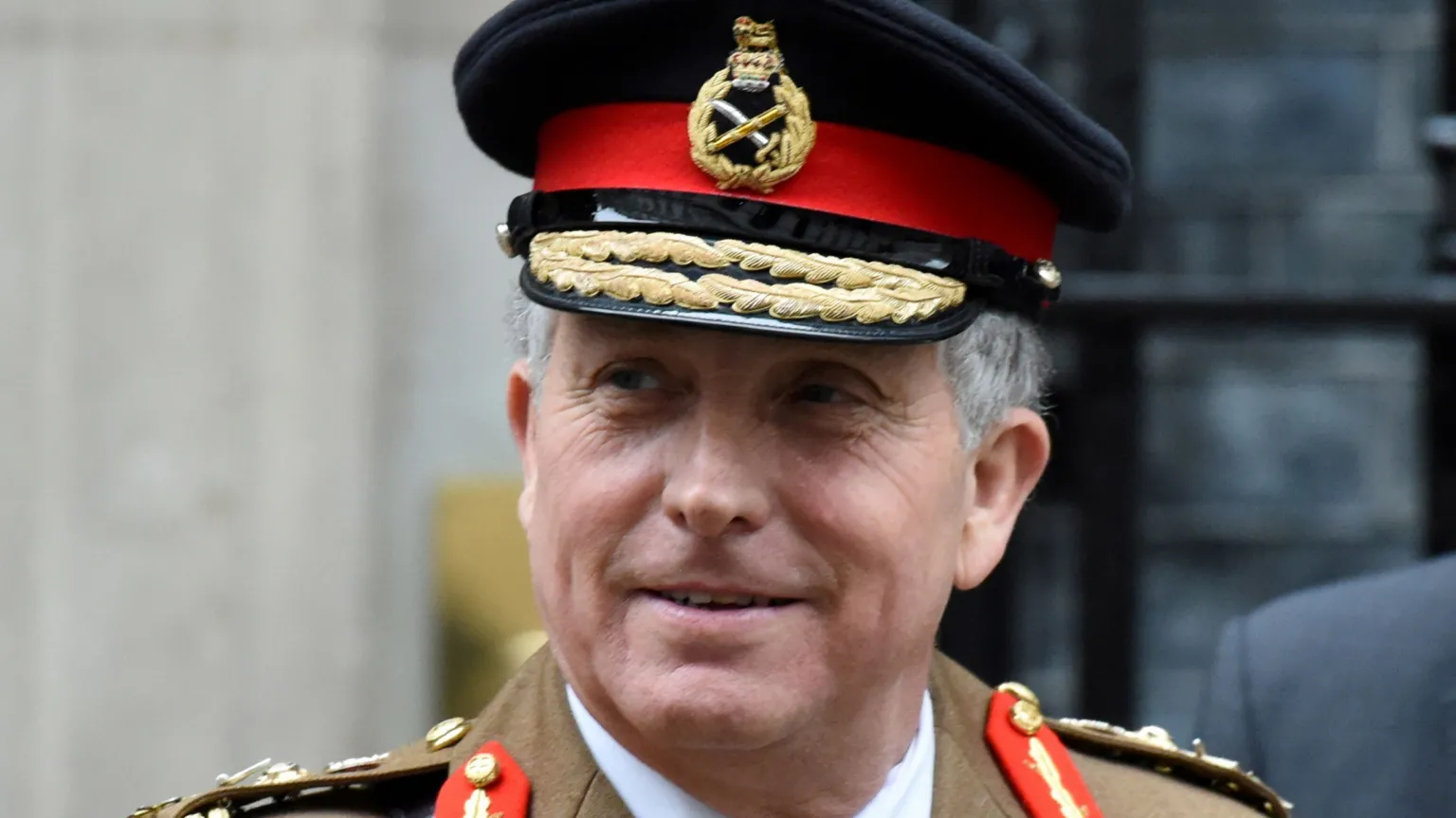
In an appearance on BBC One’s Question Time, Sir Nick Carter urged the UK and European nations to take on a more prominent role in securing Ukraine’s future, particularly if peace talks with Russia start to move forward. He suggested that if the U.S. is unwilling to offer Ukraine the security guarantees it needs, the responsibility should fall to the UK and other European nations.
“Ukraine must decide what a fair settlement looks like, but if the Americans aren’t prepared to guarantee Ukraine’s sovereignty, it’s time for Europe to step up,” Carter said. His words reflect growing concern in Europe about the shifting dynamics of the war, especially with the U.S. rethinking its involvement in the conflict.
Keir Starmer and the US Security Guarantee
British Prime Minister Sir Keir Starmer has echoed similar sentiments, emphasizing that a “US security guarantee” remains vital to deter Russia from future aggression. In his upcoming trip to Washington, Starmer plans to meet with President Trump, where he’s expected to reinforce the UK’s commitment to Ukraine, while urging the U.S. to play a strong role in securing peace.
However, Starmer has also acknowledged that if the U.S. isn’t willing to act, the UK might need to fill the gap. He mentioned that the UK is ready to provide peacekeeping troops if necessary, but he stressed that a U.S. “backstop” would be needed for the peace process to hold.
What does this “backstop” entail? While the specifics aren’t entirely clear, experts suggest that it could involve providing air support, logistics, and intelligence—elements that would strengthen Ukraine’s defenses and prevent Russia from attacking again.
The Growing Divide: Trump vs. Zelenskyy
As the situation evolves, there is a noticeable rift forming between U.S. President Trump and Ukrainian President Zelenskyy. This week, Trump suggested that he “would not object” to Europe sending peacekeeping troops into Ukraine, but he made it clear that the U.S. would not send any American forces. “We’re very far away,” Trump remarked, shifting the burden of intervention to Europe.
Meanwhile, Zelenskyy’s relationship with Trump has become strained, particularly after the U.S. announced it would soon begin direct talks with Russia. Zelenskyy and many of his supporters believe that any peace negotiations should include Ukraine as a key participant, but Trump’s approach risks sidelining Ukraine from discussions about its own future.
In the midst of this growing tension, the UK and other European leaders are looking for ways to ensure that Ukraine is involved in any peace process, and that its sovereignty is not compromised.
Macron and Trudeau’s Support for Ukraine
Across the Atlantic, European leaders are also taking action. French President Emmanuel Macron is working to coordinate a European response to the Ukraine conflict. He recently spoke to President Zelenskyy about the diplomatic situation and emphasized the importance of involving Ukraine in peace talks. Macron’s proactive stance shows that Europe remains committed to supporting Ukraine, even if the U.S. is shifting its strategy.
Meanwhile, Canadian Prime Minister Justin Trudeau has reiterated Canada’s unwavering support for Ukraine. Trudeau emphasized that Kyiv must be part of any negotiations that seek to end the war. His stance aligns with that of other Western leaders, who are pushing for Ukraine to have a say in its own future.
China’s Support for Peace Talks
On the global stage, China has emerged as an unexpected supporter of Trump’s approach. At a recent G20 meeting in South Africa, China’s Foreign Minister Wang Yi expressed support for all efforts that could lead to peace in Ukraine, including the talks between the U.S. and Russia.
“China supports all efforts conducive to peace, including the recent consensus reached between the United States and Russia,” Wang Yi said. His remarks suggest that China is keen to see the conflict resolved through diplomatic means, and that it sees the U.S.-Russia talks as an opportunity to open a window for peace.
However, China also noted that the peace process should include all relevant stakeholders—not just the U.S. and Russia, but also Ukraine and countries from the Global South. This broader inclusion could help address concerns about fairness and ensure that Ukraine’s interests are properly represented.
The Potential for Peacekeeping Troops
As the conflict continues, the question of peacekeeping troops is becoming more urgent. While Trump has suggested that Europe should take on the responsibility of sending peacekeepers, it’s unclear how the logistics of such a deployment would work. Would the UK and other European countries be willing to send troops into Ukraine to ensure peace? And what role would the U.S. play in providing support from the sidelines?
These questions are likely to dominate the discussions between Prime Minister Starmer and President Trump next week. For now, European leaders are pushing to ensure that Ukraine remains a central part of any peace negotiations, while also preparing for the possibility of peacekeeping missions.
Conclusion: What’s Next for Ukraine?
As the war in Ukraine continues to unfold, it’s clear that the future of the conflict will depend on how key global powers navigate their positions. While Trump has shifted U.S. policy towards direct negotiations with Russia, the UK and European countries are stepping up their efforts to guarantee Ukraine’s sovereignty.
Whether peacekeeping troops are deployed, and what role the U.S. will play in the process, remains to be seen. For now, the priority for Europe and the UK is ensuring that Ukraine has a voice in any negotiations and that its independence is safeguarded. With tensions still running high, the path to peace remains uncertain, but the world is watching closely.

