
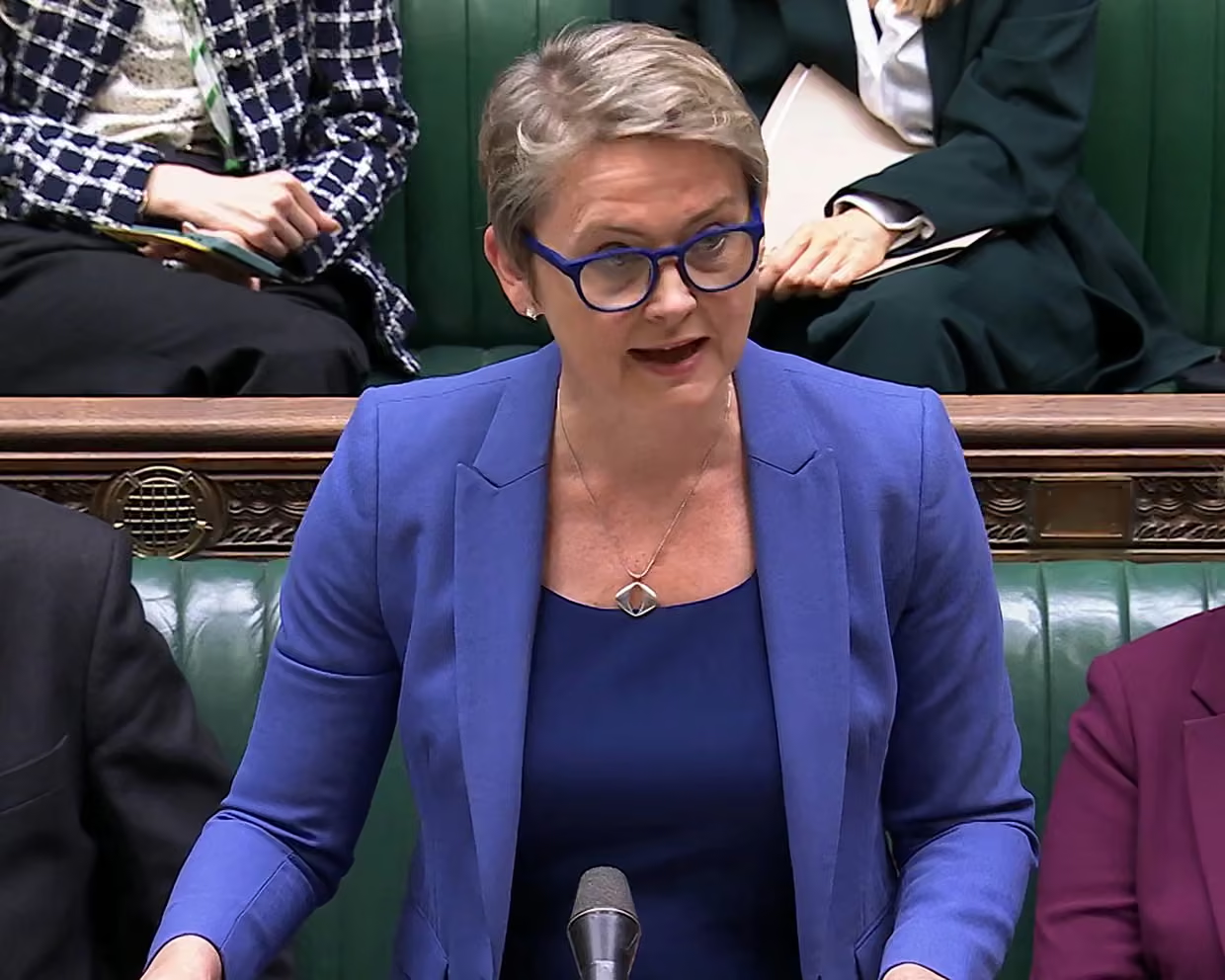

London, UK – Home Secretary Yvette Cooper has suspended the UK’s refugee family reunion scheme until new, tighter immigration rules are introduced in 2026. The move, which Cooper described as “necessary and overdue,” has sparked fierce criticism from refugee charities, opposition MPs, and human rights advocates, who warn it could push vulnerable people — including children — toward dangerous routes and people smugglers.
What Is the Refugee Family Reunion Scheme?
The refugee family reunion scheme allows people who have already been granted asylum in the UK to apply to bring close family members, such as spouses or children, to join them. The system was designed to help families torn apart by war, persecution, and displacement — particularly those fleeing conflict zones such as Syria, Afghanistan, and Sudan.
Since its inception, the scheme has been a lifeline for thousands of families, offering a legal and safe route to reunification and stability in the UK.
Why Has the Scheme Been Suspended?
In a statement to Parliament lasting more than two hours, Cooper said the existing rules were no longer “fit for purpose.” She argued that the scheme, while created for humanitarian reasons, is now being used in ways the original architects never anticipated.
“These rules were designed years ago in a very different context,” Cooper said. “The pressures we are now seeing — from global displacement and evolving migration routes — require updated, responsible legislation that reflects today’s realities.”
While details of the new rules remain under consultation, the government says the suspension is a temporary measure until a revised framework can be introduced next year.
Backlash from Refugee Charities and Opposition MPs
The decision has been met with immediate backlash. Several refugee advocacy groups said the move effectively shuts down one of the few legal routes available to people seeking to reunite with loved ones.
Critics argue that suspending the programme — even temporarily — leaves many with no choice but to turn to illegal and dangerous methods of travel, including relying on people smugglers.
“Cutting off safe, legal routes does not stop people fleeing danger — it only pushes them into the arms of traffickers,” said a spokesperson for Refugee Council UK. “Children, spouses, and elderly parents are now at risk because they have no pathway to safety.”
Labour MP Kim Johnson added her voice to the criticism, saying the move was not only “inhumane” but politically counterproductive.
“In the home secretary’s statement, she claims she will not seek to stir up division,” Johnson said. “Yet her actions — and the rhetoric used this summer — have emboldened the far right and contributed to a toxic narrative around asylum seekers.”
Divisions Within Labour
While Cooper is a senior Labour figure, the announcement has exposed some discomfort within the party. Although most Labour MPs expressed general support for Cooper’s broader immigration overhaul, some expressed concerns about the humanitarian cost of halting family reunification.
The Scottish National Party (SNP) and the Green Party have both condemned the decision outright, urging the UK government to uphold its international obligations under the UN Refugee Convention.
SNP MP Pete Wishart said, “The UK should be a beacon of safety and compassion. Cutting off refugee family reunion goes against everything this country claims to stand for.”
Cooper Defends the Move
Yvette Cooper pushed back against the criticism, stating that reform is essential to ensure that the system is “sustainable, fair, and enforceable.”
She denied that the suspension is a signal of hardline policy and insisted that new rules would still allow for family reunification — but under tighter eligibility and vetting standards.
“I understand the strength of feeling,” Cooper said. “But we must ensure that any legal routes we offer are not misused or exploited. The new system will be focused on clarity, security, and responsibility.”
What’s Next?
The suspension will remain in place until the government introduces a revised family reunion framework, expected sometime in 2026. The Home Office says a public consultation period will begin in early 2025, during which legal experts, refugee organisations, and members of the public can provide input on the design of the new system.
In the meantime, pending applications are effectively paused, and no new applications will be accepted.
The Home Office has not yet provided figures on how many people will be directly affected by the freeze.
A Crossroads for UK Asylum Policy
This decision marks a significant moment in the UK’s evolving approach to asylum and migration. It comes amid growing political pressure to reduce net migration numbers, ongoing debates about the Rwanda deportation plan, and rising anti-immigration sentiment in parts of the country.
Supporters say the move is necessary to restore public trust in the asylum system and to prepare for a more “streamlined” migration framework. Opponents argue that it undermines the UK’s international moral leadership and threatens to punish the very people it once promised to protect.
As the debate continues, all eyes will be on how the government balances humanitarian obligations with calls for tougher border controls — and whether vulnerable families will be left behind in the process.

