
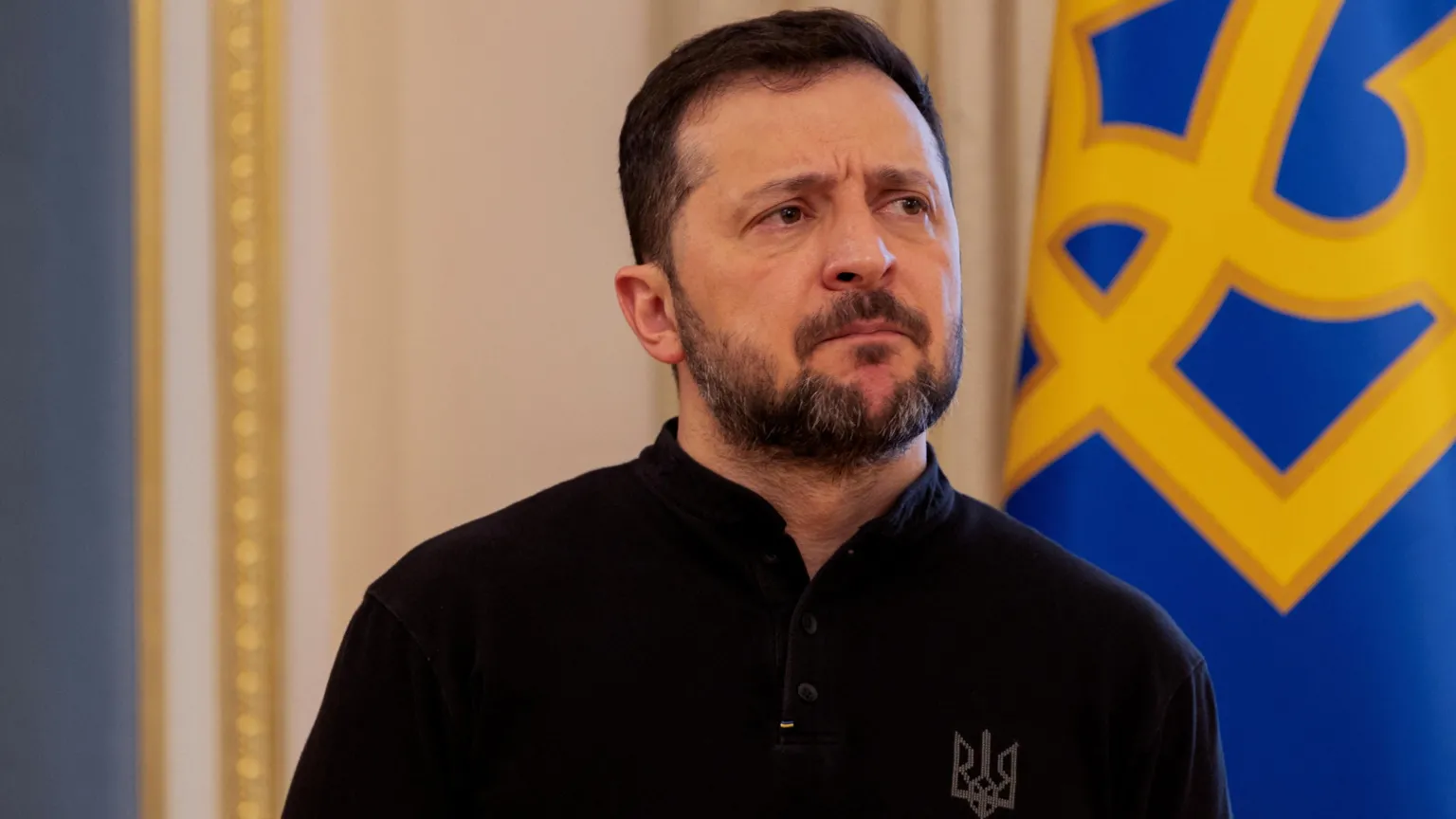
Keir Starmer Defends Zelensky After Trump Calls Him a ‘Dictator’ – A UK-US Clash Brewing

Introduction: A Heated Exchange Over Ukraine’s Leadership
In the latest political back-and-forth between Western leaders, UK Prime Minister Sir Keir Starmer has come out in strong support of Ukrainian President Volodymyr Zelensky. This comes after Donald Trump, former US President, publicly labeled Zelensky a “dictator,” criticizing his decision to suspend elections in Ukraine due to the ongoing war with Russia.
The comments have sparked tension not just between Trump and Zelensky but also between the UK and the US, raising questions about the future of international support for Ukraine and how leaders should respond in times of crisis.
Trump’s Harsh Words: Accusations of Dictatorship
Donald Trump made waves during a recent public appearance when he called Zelensky a “dictator.” His criticism was primarily focused on Ukraine’s decision to suspend elections while the country is under martial law due to Russia’s invasion. Trump argued that Zelensky had “done a terrible job” and was refusing to hold elections, thus consolidating power.
Zelensky’s five-year presidential term was set to end in May 2024, but with the war raging, the Ukrainian government decided to postpone elections as part of maintaining stability in the country. This decision was made in the interest of national security, considering the threat of ongoing Russian aggression.
Keir Starmer’s Support: The Importance of Democracy in Wartime
In response to Trump’s comments, Sir Keir Starmer was quick to defend Zelensky, stressing that he is a democratically elected leader who is acting within the context of a war. Starmer placed emphasis on the notion that suspending elections during times of war is not unprecedented, reminding everyone that the UK did the same during World War II when elections were temporarily suspended to focus on the war effort.
According to Downing Street, Starmer personally called Zelensky on Wednesday evening to express his full support. He assured Zelensky that it was “perfectly reasonable” for a nation at war to make such decisions, citing the UK’s history during WWII as a precedent.
Starmer’s message was clear: supporting Ukraine’s leadership, especially in times of conflict, is essential, and it’s understandable for elections to be suspended when a nation’s survival is at stake.
Zelensky’s Situation: War, Elections, and National Security
Since Russia’s invasion, Ukraine has been under a state of martial law. This legally allows for measures like suspending elections, which Zelensky has done, prioritizing national security and stability over the democratic process for the time being.
The Ukrainian president’s five-year term, due to expire in May 2024, has been overshadowed by the ongoing war. With the country facing constant military threats, Zelensky’s government made the difficult but necessary decision to postpone elections in order to focus on survival and military strategy.
For many, this move is seen as a pragmatic decision, while others, like Trump, view it as an authoritarian action. The situation highlights the complexities of maintaining democratic principles while also ensuring the country’s defense during an existential crisis.
Keir Starmer’s Upcoming Trip: Tensions with the US
As political tensions around Ukraine continue to rise, Prime Minister Keir Starmer is set to travel to Washington DC next week for his first in-person meeting with Donald Trump. This trip is expected to be pivotal, especially as Starmer plans to push for a “US backstop” to ensure Ukraine’s long-term security.
A US backstop is essentially a guarantee of continued support from the United States to help prevent future Russian aggression. Starmer’s goal is to ensure that the US remains fully engaged in the Ukraine conflict, both politically and militarily. Without such backing, Ukraine’s long-term security would be at risk, and Russia might feel emboldened to act again.
What’s at Stake for Ukraine and the West?
The stakes have never been higher for Ukraine and its allies in the West. Zelensky is fighting for his country’s survival, while world leaders are balancing support for Ukraine with the need for diplomatic negotiations that could end the war.
While Donald Trump seems to take a hardline stance, questioning Zelensky’s leadership, Starmer and others in the UK government have emphasized the importance of solidarity with Ukraine. This divergence of opinion has raised concerns about the future of Western support, especially when it comes to crucial decisions like military aid, economic sanctions, and security guarantees.
Keir Starmer’s Commitment: Deploying UK Troops to Ukraine
In a bold move, Keir Starmer has also mentioned the possibility of deploying British troops to Ukraine as part of a peace agreement. While it’s not clear how this would be implemented, the UK Prime Minister has expressed his willingness to help secure Ukraine’s borders, especially with a US backstop in place.
Reports from Western officials indicate that fewer than 30,000 British soldiers would be involved, with their main mission being to provide reassurance and security to the Ukrainian people, rather than serving as a peacekeeping force. The goal is to ensure that Ukraine can defend itself and that any future Russian invasion attempts are deterred.
This offer of military support highlights the UK’s ongoing commitment to Ukraine, even as Trump’s position seems to waver. The situation is becoming increasingly tense, with political ramifications for both the UK and the US.
Conclusion: A Divided West, But Solidarity for Ukraine Remains
The exchange between Keir Starmer and Donald Trump highlights the growing divide within the West regarding Ukraine’s future. While Trump has openly criticized Zelensky, calling him a “dictator,” Starmer and others in the UK are standing firm in their support of the Ukrainian president and his wartime decisions.
The ultimate question remains: Will Ukraine be able to secure the international support it needs to defeat Russia and rebuild? As the situation continues to evolve, the actions of leaders like Keir Starmer will play a pivotal role in shaping Ukraine’s future—and the future of international relations in the post-war world.

