
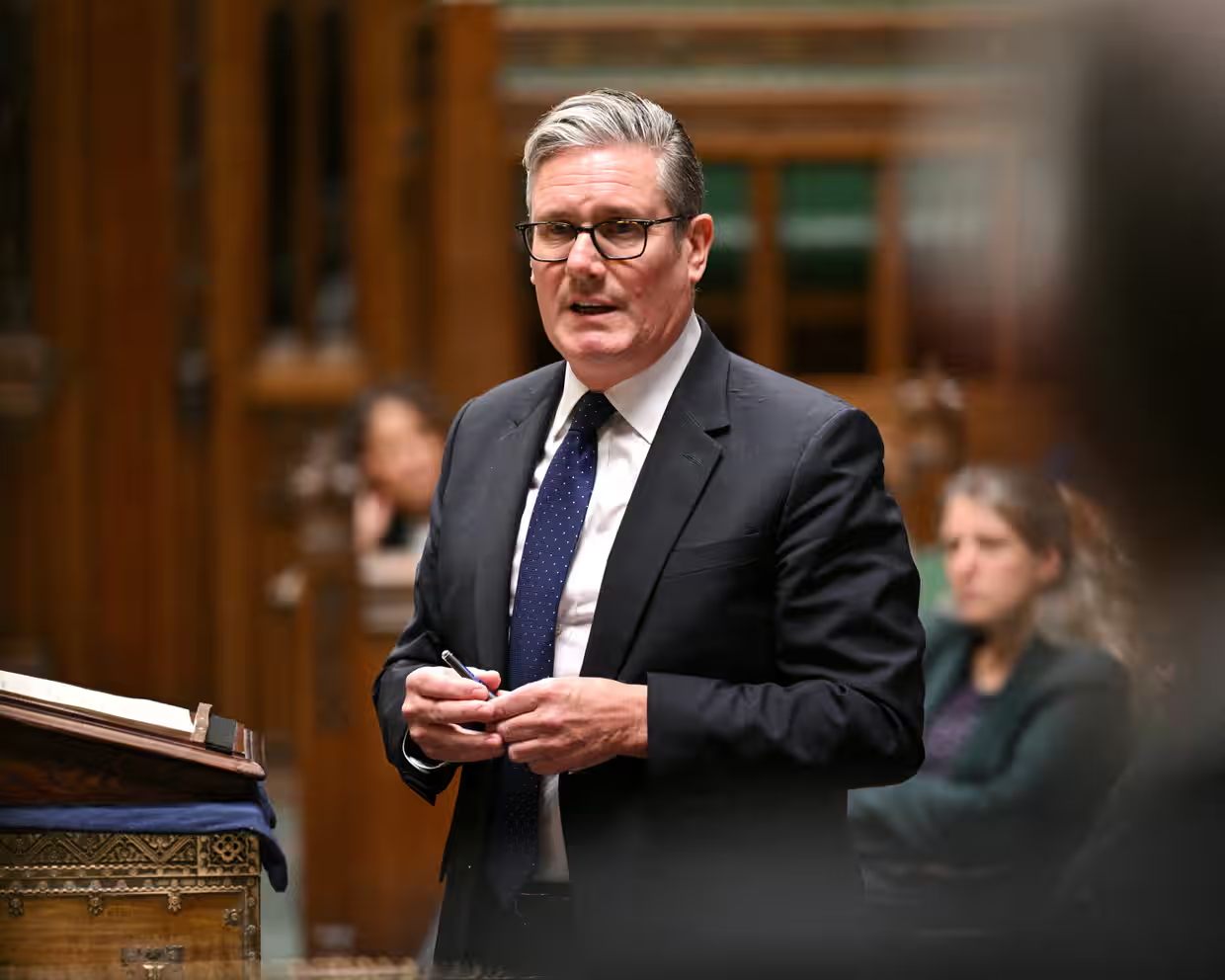

The atmosphere in Westminster grew tense after a turbulent day marked by fierce criticism over Labour’s welfare bill fiasco, culminating in a tearful moment for Chancellor Rachel Reeves. Despite the political storm and speculation about her future, Prime Minister Keir Starmer and No 10 officials made it clear Reeves will remain Chancellor “for a very long time to come.”
The Welfare Bill Backlash: A Government in Turmoil
Labour’s plan to reform welfare faced severe backlash from rebel MPs, forcing the government into a humiliating U-turn on a key part of its welfare reforms. The government was compelled to abandon the central plank of its welfare bill after fears of defeat grew, highlighting deep divisions within the party.
The episode exposed cracks in Labour’s spending priorities, and ministers have warned that the consequences of this misstep will be long-lasting. The government now faces a £5 billion hole in public finances, which must be plugged by either tax increases or spending cuts elsewhere—an unenviable position as economic pressures mount.
Rachel Reeves: Under Pressure but Backed by PM
Rachel Reeves, already under intense pressure, drew criticism for what many called a political misjudgment: pushing forward with controversial cuts despite strong opposition from her own backbenchers. The Chancellor’s emotional moment during Prime Minister’s Questions underscored the toll of the political chaos.
After Reeves was seen visibly upset, Downing Street swiftly moved to reassure the public and party members alike. A spokesperson stated firmly, “The chancellor is going nowhere,” dismissing rumors that she had offered to resign.
Prime Minister Starmer reinforced this message, signaling his unwavering support for Reeves despite the setback.
Market Reactions Reflect Uncertainty
The fallout extended beyond politics into financial markets. Borrowing costs jumped sharply—the fastest increase since April, when Donald Trump’s tariff announcements rattled markets. The pound weakened against both the dollar and the euro, only stabilizing after No 10 confirmed Reeves would remain in her role.
This financial volatility signals the economic consequences of political instability, putting further pressure on Labour to steady its course.
What Comes Next for Labour and the Chancellor?
The welfare bill debacle is more than a simple policy reversal—it has unleashed uncertainty over Labour’s economic strategy and its ability to manage public finances. With a significant budget gap now exposed, the party faces tough decisions on how to balance its promises with fiscal realities.
For Reeves, the challenge is twofold: rebuilding trust within her party and restoring confidence among investors and the public.
A Crucial Test for Labour’s Leadership
Labour’s handling of the welfare reforms has spotlighted the difficulties of governing amid internal divisions and economic uncertainty. The steadfast backing of Rachel Reeves by Keir Starmer and No 10 sends a strong message of unity, but the road ahead remains challenging.
How the party manages this crisis will shape its future political fortunes and its credibility on economic matters. Reeves’ ability to navigate the fallout will be closely watched as Labour seeks to regain stability and focus.

