
Over a Million Vapes Are Being Thrown Away Every Day in the UK: A Growing Environmental Crisis

Introduction: The Hidden Environmental Cost of Single-Use Vapes
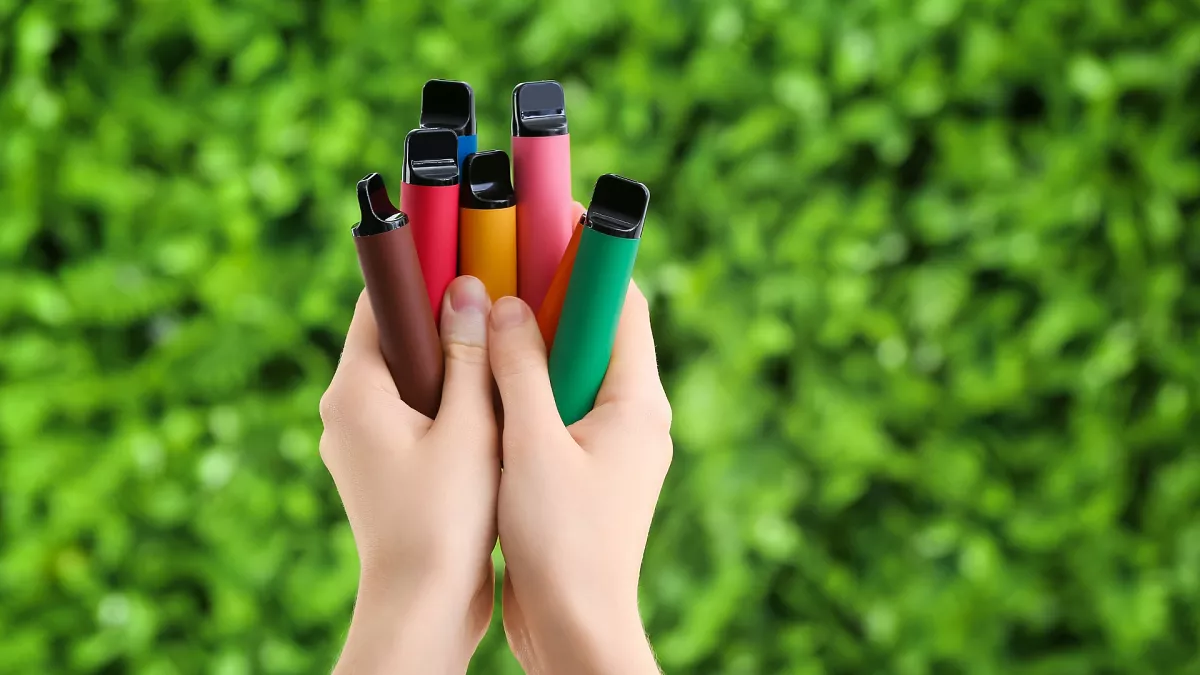
In the UK, more than a million vapes are discarded every single day, leading to what experts are calling an “environmental nightmare.” Research has revealed that over 13 vapes are thrown away every second, and this waste is not only damaging the environment but also creating serious risks to public safety. From toxic chemicals to fire hazards, the growing trend of disposable vapes is rapidly turning into a crisis.
But change is coming. From June 2025, the sale of single-use vapes will be banned, as the government takes action to curb this mounting issue. However, experts believe that more needs to be done immediately to reduce waste and protect the planet.
What’s Behind the Disposable Vape Surge?
The rise of disposable vapes in the UK has been staggering. Research commissioned by Material Focus and conducted by Opinium reveals that a growing number of consumers are turning to single-use vapes. These devices, which typically contain around 600 puffs, are designed for one-time use and are often discarded after the last puff.
But there’s an even bigger problem: the growing popularity of “big puff” vapes. These larger vapes, which can hold up to 6,000 puffs, are now being sold at a fast pace. In fact, 3 million of these larger vapes are purchased every week in the UK. Together with the more traditional single-use vapes, this means that a staggering 8.2 million vapes are being thrown away or improperly recycled every week.
The Environmental Impact: Vapes Aren’t Just Litter
Disposable vapes are not just an eyesore when littered—they pose serious threats to the environment. The materials inside these vapes, such as lithium and copper, are valuable and critical for technologies like electric vehicles. Yet, when these vapes end up in landfills or are discarded improperly, these valuable materials are lost.
Moreover, vapes contain lithium-ion batteries, which, if damaged, can cause fires. These fires are becoming an increasing concern for waste management facilities, with the number of fires caused by vapes increasing by 71% from 2022 to 2023. In addition, when vapes are left in nature, they can be toxic to wildlife, posing further environmental dangers.
The Growing Problem: A Call for Action
The statistics are staggering, but they highlight a clear problem: the UK is drowning in vape waste. Vapes are not only environmentally damaging but also dangerous to people and wildlife. According to Material Focus, the lithium and copper materials found in vapes could, if properly recycled, power up to 10,127 electric vehicles every year. This potential energy recovery is being lost because so many vapes are simply thrown away.
One of the key challenges is that there is no easy or accessible system for recycling vapes. While it is a legal obligation for retailers who sell vapes to provide recycling options, many stores still lack proper facilities or information on how to recycle these products. As a result, many consumers are left unsure about how to dispose of their vapes responsibly.
New Rules: What the Vape Ban Means for the UK
In a bid to tackle the growing environmental crisis, the UK government is set to implement a ban on single-use vapes from June 2025. The new rules will make it illegal to sell disposable vapes. Only rechargeable vapes or those with refillable cartridges will be allowed for sale. The government’s move comes as part of a broader effort to curb environmental damage and reduce the widespread use of vapes among children and young people.
This ban, however, is just the beginning. Experts say that more needs to be done to address the long-term environmental impact of vapes, particularly when it comes to managing waste and encouraging proper recycling.
What Needs to Be Done? A Call for Better Recycling and More Action
While the upcoming ban on single-use vapes is a step in the right direction, Material Focus, the research group behind the study, is calling for urgent action to tackle the ongoing problem of vape waste. Here are some of their key recommendations:
1. Takeback Systems in Stores
Material Focus advocates for takeback systems in vape-selling stores. Under these systems, consumers could return their used vapes to stores for proper recycling. A proposed licensing system for retailers would ensure that every store selling vapes provides an easy way to return and recycle them.
2. Better Recycling Points
Currently, accessible recycling points for vapes are few and far between. The group is calling for more visible and accessible vape recycling drop-off points in public spaces, such as parks and shopping centres. These points would make it easier for consumers to responsibly dispose of their used devices, preventing them from ending up in landfills.
3. Education and Awareness
More education and awareness campaigns are also needed to inform consumers about the importance of recycling vapes. Retailers must do a better job of displaying information on how and where to recycle vapes in their stores. Consumers need to know that, like any other electronic item with a battery, vapes should never be thrown away in the bin.
4. Government Support for Recycling Solutions
The government must provide financial support to help retailers and manufacturers set up proper recycling systems. This includes funding for recycling infrastructure and solutions that ensure the safe recovery of materials from vapes, reducing fire risks in the process.
The Bigger Picture: Moving Beyond the Ban
While the ban on single-use vapes is a critical first step, it’s clear that there’s still much work to be done. As the market continues to see new types of vapes, such as the larger “big puff” devices, policymakers and manufacturers will need to adopt flexible and adaptive regulations to address the ongoing environmental challenges.
Vape manufacturers, too, must take responsibility for the environmental impact of their products and find innovative ways to create more sustainable devices. This could include designing vapes that are easier to recycle, using eco-friendly materials, and developing solutions to reduce waste at every stage of the product’s life cycle.
Conclusion: What Can We Do?
With over a million vapes thrown away every day, the environmental toll is becoming unsustainable. But there is hope. The upcoming ban on single-use vapes, along with the implementation of better recycling systems and stronger regulations, could help reduce vape waste in the UK.
However, individual action matters too. Consumers should be aware of the impact of their choices and take responsibility for recycling their vapes. If we all do our part, we can reduce the environmental damage caused by these products and protect the planet for future generations.

