
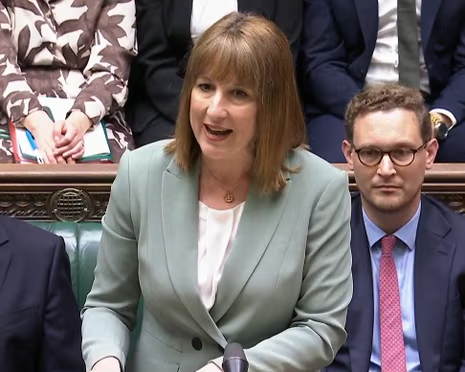
Rachel Reeves Boosts NHS and Housing Funding Amid Budget Squeezes for Some Departments

Chancellor Unveils £29 Billion Annual Increase for NHS England and More Support for Defence, Housing, and AI
In a bold move to reshape Britain’s future, Chancellor Rachel Reeves has announced a significant increase in government spending, including an extra £29 billion per year for the NHS in England. This major boost is aimed at tackling long-term healthcare challenges while also providing additional funding for defence, housing, artificial intelligence (AI), and transport projects.
Speaking as she laid out the government’s Spending Review plans extending to the end of the decade, Reeves emphasized that the focus is on “renewing Britain” — investing in public services and infrastructure to drive economic growth and security.
Key Highlights from the Spending Review
- NHS England receives £29 billion extra per year: Funding to improve healthcare capacity, reduce waiting times, and modernize services.
- Defence and housing budgets also increased: Strengthening national security and addressing the ongoing housing shortage.
- Boosts for AI and transport: Supporting innovation and critical infrastructure to position the UK for future growth.
- Some departments face cuts: Day-to-day budgets for the Foreign Office and environment department are squeezed, reflecting shifting priorities.
Rachel Reeves: A Vision for Security, Growth, and a Future-Ready NHS
Reeves framed the Spending Review as a comprehensive plan to deliver:
- Security: More resources for defence and public safety.
- Economic growth: Investments in cutting-edge technology and infrastructure.
- A future-proof NHS: Ensuring the healthcare system can meet rising demands for years to come.
Her message underlines a government committed to strengthening Britain’s foundations while adapting to global challenges.
Opposition Response: Conservative Shadow Chancellor Calls It a “Spend Now, Tax Later” Plan
Not everyone welcomed the announcement. Conservative shadow chancellor Sir Mel Stride criticized the review as short-sighted, warning it represented a “spend now, tax later” approach that risks burdening taxpayers down the line.
Stride’s comments highlight the ongoing political debate over balancing public investment with fiscal responsibility.
What Does This Mean for You?
For everyday Britons, the Spending Review signals:
- Improved healthcare services: More funding could reduce NHS waiting lists and improve patient care.
- Housing relief: Increased funding might accelerate new homes construction and affordable housing projects.
- Infrastructure upgrades: Enhanced transport networks and AI advancements could create jobs and boost the economy.
- Potential tax impacts: Future taxes may rise to cover increased government spending, according to critics.
Looking Ahead: Challenges and Opportunities
While the boost in funding offers hope for many sectors, challenges remain:
- Managing budget cuts in sensitive departments like the Foreign Office and environment.
- Ensuring long-term fiscal sustainability amid increased spending.
- Delivering tangible improvements to public services without delays.
The government’s ability to balance these factors will shape Britain’s economic and social landscape over the coming years.
Stay Updated on UK Spending and Policy Developments
For more insights and live updates on government spending, public services, and UK politics, subscribe to our newsletter or download our news app.

