
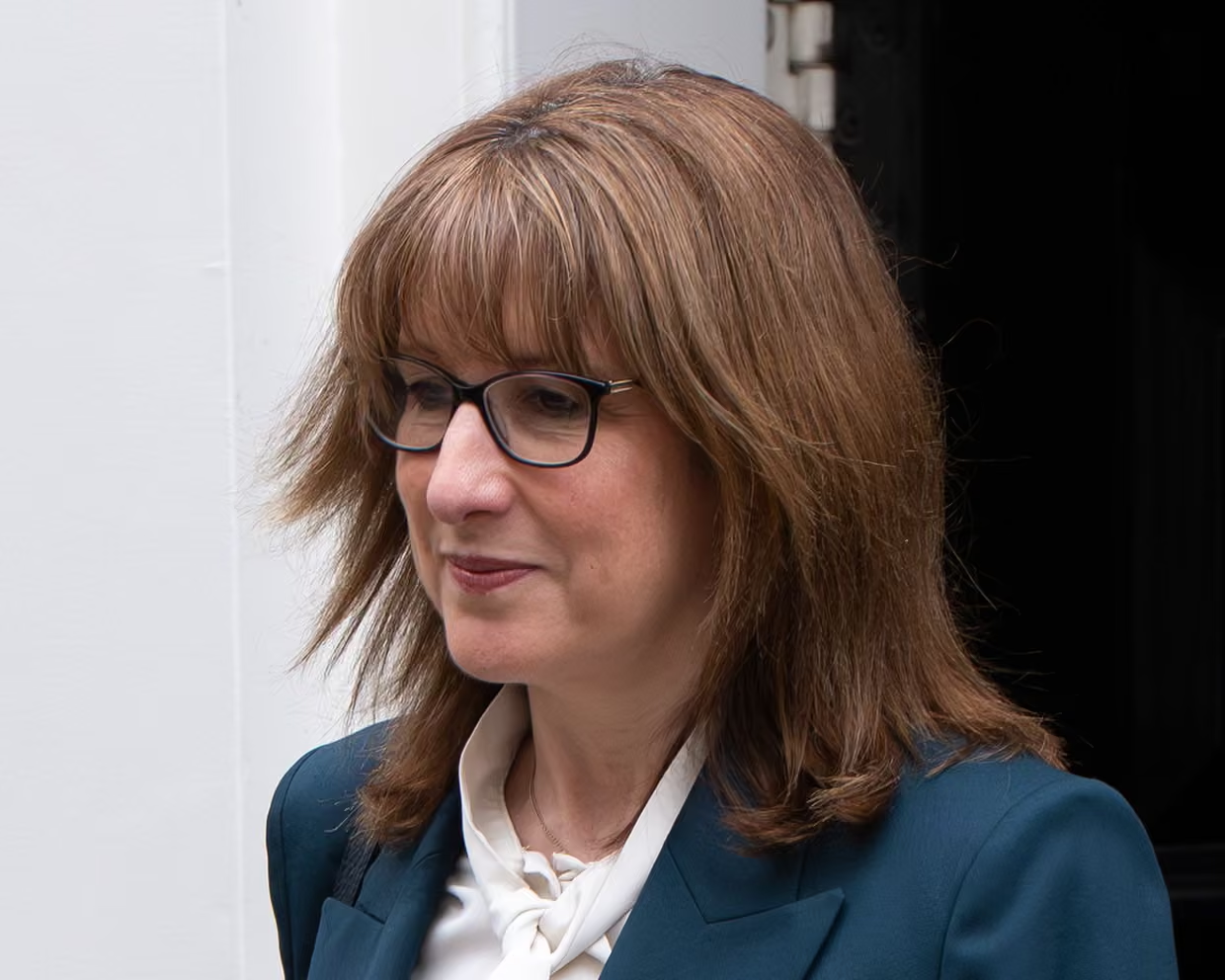

The UK is set for a shift in how it handles energy bill support after Rachel Reeves ruled out providing universal assistance in response to future price increases.
Instead, the government plans to focus on targeted support for those most in need, marking a clear departure from previous policies.
A Move Away From Blanket Support
Targeted Help Instead of Universal Aid
Reeves made it clear that any future support for rising energy bills will not be given to all households.
Instead, assistance will be:
- Focused on lower-income households
- Designed to protect the most vulnerable
- Part of broader cost-of-living measures
This approach is intended to ensure that government resources are directed where they are most needed.
Criticism of Previous Government Policy
Attacking the Truss-Era Support Package
Reeves also criticized the support measures introduced by Liz Truss, calling them unaffordable and poorly targeted.
She argued that the previous government’s approach:
- Increased borrowing and debt
- Contributed to higher inflation and interest rates
- Provided benefits to wealthier households
According to Reeves, this left a long-term financial burden that is still being addressed today.
Contingency Planning for Rising Bills
Preparing for Possible Increases
The government is already planning for the possibility of higher energy bills in the future.
However, Reeves emphasized that the focus will be on:
- Long-term solutions to reduce energy costs
- Improving energy efficiency
- Supporting households in a more sustainable way
This suggests a shift toward structural changes rather than short-term relief.
Fuel Duty Review on the Horizon
No Firm Commitment Yet
Reeves also addressed fuel duty, saying she would review a planned increase in September.
However, she stopped short of committing to delaying or cancelling the rise.
This leaves uncertainty around:
- Future fuel prices
- Transport costs
- Household budgets
A Balancing Act: Fairness vs Affordability
Who Gets Support?
The government’s new approach aims to balance:
- Fiscal responsibility
- Targeted social support
- Long-term economic stability
By focusing on those most in need, the policy seeks to avoid the broad spending seen in previous support packages.
The Bigger Picture
A Shift in Economic Strategy
This policy direction reflects a broader change in approach to public spending.
Rather than offering universal support during crises, the government is prioritizing:
- Controlled spending
- Targeted interventions
- Reduced borrowing
This could have long-term implications for how the UK responds to future economic challenges.
Final Thoughts
Rachel Reeves’ decision to rule out universal energy bill support marks a significant policy shift. By focusing on targeted help and long-term solutions, the government is signaling a more cautious approach to public spending.
While this may help stabilize the economy, it also means that not all households will receive equal support — a trade-off that is likely to remain a key political debate in the months ahead.

