
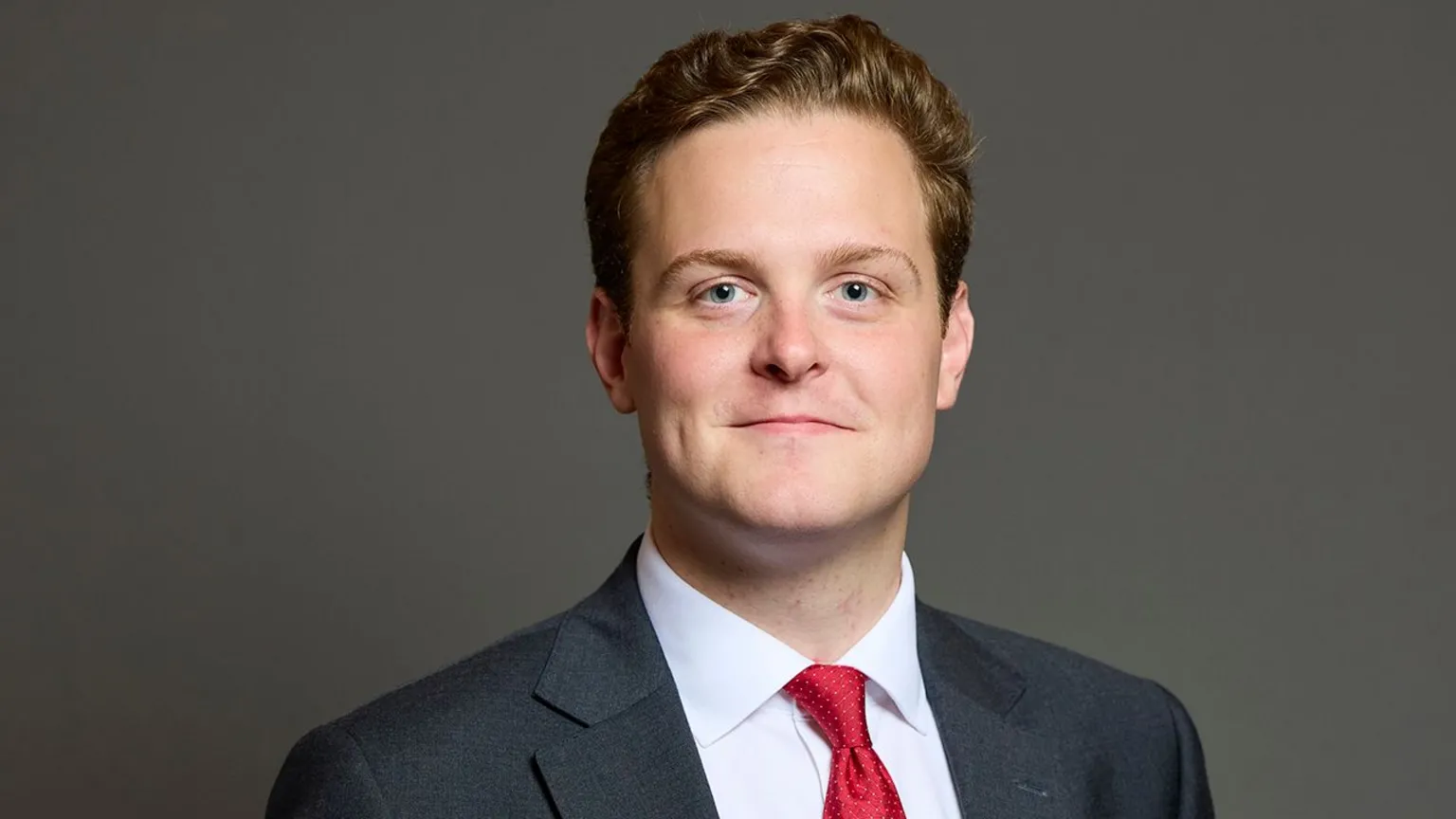

A Labour MP’s Apology After Offensive Messages Spark Controversy
In the wake of a scandal involving offensive messages shared in a private WhatsApp group, Oliver Ryan, a Member of Parliament (MP) from Burnley, has issued a public apology. Ryan’s comments in the group were criticized for being “completely unacceptable,” and he expressed regret for not speaking out sooner about the situation.
This incident comes just days after Andrew Gwynne, another Labour MP, was dismissed from his position as Health Minister following the revelation of similarly inappropriate messages in the same WhatsApp group. Gwynne’s swift dismissal raised questions about how the Labour Party handles internal matters and its commitment to maintaining high standards among its members.
The WhatsApp Scandal: What Happened?
The controversy began when the Mail on Sunday reported that Andrew Gwynne had been sending a series of offensive and abusive messages to a WhatsApp group that included other Labour MPs and figures. The messages reportedly contained remarks that were derogatory and inappropriate, sparking outrage among both the public and other Labour Party members.
In response to the scandal, Prime Minister Rishi Sunak acted quickly, sacking Gwynne from his ministerial role. This was seen as a clear message from the government that inappropriate behaviour, even behind closed doors, would not be tolerated.
However, the fallout didn’t stop with Gwynne’s dismissal. Oliver Ryan, who was also a member of the WhatsApp group, came under scrutiny for his own comments. In a statement, Ryan admitted that his contributions to the group were “completely unacceptable” and expressed regret for not speaking out when the messages were first shared.
The Apology: Ryan’s Regret
Following the report, Oliver Ryan addressed the situation directly, apologizing for his involvement in the conversation. In his apology, he said that he regretted not speaking up earlier, acknowledging that the comments made in the group chat did not align with the values of the Labour Party. Ryan’s words echoed the sentiment that many of his fellow MPs had already expressed, namely that there is no place for harmful or derogatory speech within the party.
His apology was seen as an important step in acknowledging the error, but it also raised questions about the wider culture within political groups, particularly in informal communication spaces like WhatsApp. The incident highlighted the need for greater accountability and transparency within political circles, especially when it comes to private conversations that can quickly escalate into public scandals.
Political Backlash: Reactions from the Labour Party and Public
The Labour Party’s swift response to the issue has been a focal point of public discussion. Angela Eagle, the Home Office Minister, made a statement about the party’s actions, saying that the chief whip would be speaking to Oliver Ryan directly. Eagle also praised the prompt action taken with Andrew Gwynne’s suspension, calling it a sign that the Prime Minister would “uphold the highest standards.”
The Labour Party has been under increasing pressure in recent years to ensure that its MPs and figures adhere to strict codes of conduct, especially regarding the use of social media and private communication platforms. Given the public nature of the scandal, it is clear that this issue has become a significant challenge for the party’s reputation.
The Bigger Picture: What Does This Mean for the Labour Party?
The scandal surrounding the WhatsApp group messages is not just a matter of individual MPs making mistakes; it raises broader questions about the culture of communication within political parties. Private platforms like WhatsApp have become common spaces for informal discussions, but as this case shows, they can also be breeding grounds for harmful rhetoric.
While the apology from Oliver Ryan and Gwynne’s dismissal demonstrate the party’s willingness to take action, many are now asking if enough is being done to address deeper issues of culture and accountability. Political parties are under increasing scrutiny to ensure that their members are upholding ethical standards both in public and in private.
This incident also highlights a potential shift in how political figures are expected to conduct themselves in the digital age. As social media and messaging apps become integral to the way politicians interact, it’s becoming more crucial to set clear guidelines and expectations for appropriate conduct in these spaces.
Looking Ahead: What Comes Next?
The future of this controversy depends on how the Labour Party continues to handle internal issues and maintains its stance on ethics and professionalism. While the party has taken immediate action in response to the scandal, further discussions are likely to take place around how MPs can communicate in a responsible manner without undermining their party’s values.
The chief whip’s conversations with Oliver Ryan and other figures involved in the WhatsApp group will be closely watched by political analysts, as they will set a precedent for how future issues of this nature are handled. As the Labour Party seeks to move forward from this scandal, it will need to rebuild public trust and ensure that its leadership continues to set high standards of conduct.
Public Sentiment and the Future of Labour’s Image
Public reactions to the incident have been mixed. Some have praised the party for its swift action in addressing the situation, while others have criticized it for not addressing the underlying issues within the party’s culture sooner. As the Labour Party works to address these concerns, it will need to rebuild its image as a party of integrity and respect.
The incident also underscores the growing importance of transparency and accountability in political communication. In an era where private messages can easily be leaked, it is crucial for political leaders to be mindful of their words, whether they are speaking publicly or in private forums like WhatsApp.
Conclusion: A Wake-Up Call for Political Leaders
The apology from Oliver Ryan, combined with the sacking of Andrew Gwynne, marks a significant moment for the Labour Party. While the party has taken immediate action to address the scandal, it also highlights the need for ongoing efforts to ensure that political figures adhere to high standards of conduct in all aspects of their work.
As the party moves forward, it will need to demonstrate that it can effectively tackle issues related to communication, ethics, and transparency. The future of Labour’s image may depend on how it handles this issue and works to restore public trust in the aftermath of the WhatsApp scandal.

