
Shell’s Cost-Cutting Plans Announced as CEO’s Pay Jumps by 8.5% – Is This the Right Move?

Shell’s Controversial Pay Boost for CEO Amid Cost-Cutting Plans
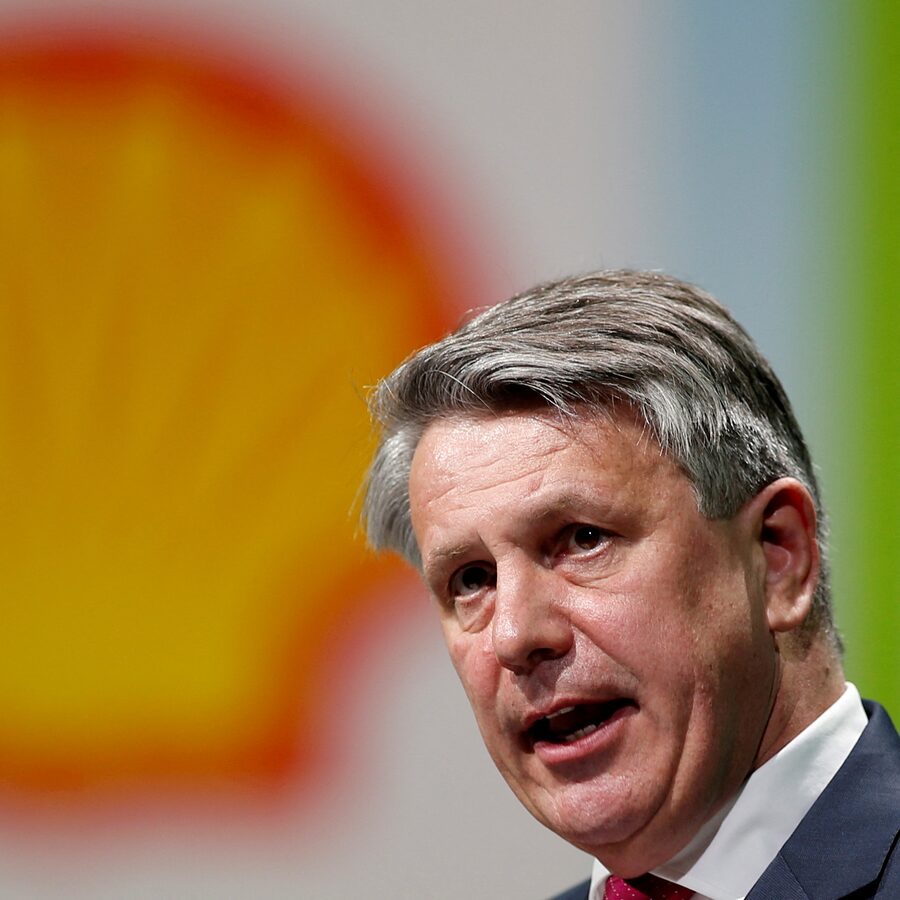
In a surprising turn of events, Shell has announced a major cost-saving plan alongside a significant pay increase for its CEO, Wael Sawan. While the company plans to cut spending and costs by billions, many are questioning the fairness of handing the CEO an 8.5% pay raise amid falling profits and climate-related setbacks.
The energy giant, known for its oil and gas operations, has come under fire from environmental activists, with critics calling the pay increase “obscene.” Let’s dive deeper into what Shell is doing with its cost-cutting initiatives, the CEO’s pay boost, and the controversial decisions surrounding its environmental pledges.
Shell CEO’s Pay Boost – Controversy and Backlash
A Big Pay Jump Despite Falling Profits
Wael Sawan, Shell’s CEO, received a pay raise of 8.5%, bringing his total pay package to £8.6 million for the year. This increase comes even as Shell has seen a decline in profits, sparking outrage among environmental groups and other critics. The payout was labeled as “obscene” by green campaigners, especially given that the company has faced increased scrutiny over its environmental commitments.
While large bonuses for top executives are common in the corporate world, the increase in Sawan’s pay package has drawn particular attention, as it comes at a time when many companies are cutting back on spending and focusing on sustainability. The move has raised questions about whether Shell is prioritizing executive compensation over its environmental goals or the financial well-being of its employees and investors.
Shell’s Plans to Slash Costs – What’s at Stake?
The Goal: Cutting $5 to $7 Billion Annually by 2028
Shell has set an ambitious target to reduce its costs by $5 billion to $7 billion annually by 2028. This new goal is a significant increase from the company’s previous target of $2 billion to $3 billion in cost savings by 2025. This move comes as the company looks to streamline operations and improve profitability, despite falling profits in recent years.
Part of the plan includes cutting Shell’s annual spending to between $20 billion and $22 billion over the next three years. These cost reductions are expected to help Shell focus on its core business while preparing for a more sustainable future.
While the cuts may help Shell become leaner, they also raise concerns about potential job losses, reduced investments in key areas, and whether these moves will ultimately benefit the company’s long-term goals.
A Shift in Shell’s Environmental Commitments
Reduced Focus on Climate Pledges
In another surprising development, Shell has significantly reduced its climate change commitments. The company had previously promised to reduce its net carbon intensity by 45% by 2035, a goal that was praised by many environmental advocates. However, the company has now watered down that pledge and instead set a new goal of achieving a 100% reduction by 2050.
While the 2050 target is still ambitious, it represents a shift in the company’s environmental strategy and raises concerns among climate activists. Many are asking whether Shell’s cost-cutting measures will come at the expense of its environmental initiatives.
Shell has also committed to spending 10% of its budget on lower-carbon businesses by the end of the decade. While this is a positive step, it remains to be seen whether the company will follow through with these investments or prioritize its traditional oil and gas operations instead.
Why This Matters: A Balancing Act Between Profit and Planet
Environmental Campaigners’ Concerns
The announcement of Shell’s cost-cutting plans and CEO pay increase has sparked outrage among environmental groups. Greenpeace and other organizations argue that Shell should be focusing more on its environmental commitments rather than rewarding executives with larger paychecks. With climate change being one of the most pressing issues of our time, these groups believe that energy companies like Shell should lead the way in reducing emissions and investing in renewable energy.
However, some argue that Shell’s decisions are pragmatic. The company is under intense pressure to maintain profitability while adapting to the transition to a low-carbon economy. By reducing costs and focusing on efficiency, Shell hopes to remain competitive in an increasingly environmentally-conscious market.
A Sign of Things to Come in Big Oil?
Shell’s decision to reduce its climate pledges and cut costs is a sign of the growing tension between environmental responsibility and corporate profitability. As governments and corporations face pressure to meet climate targets, oil and gas companies are grappling with how to balance the need for sustainability with the demands of shareholders and executives.
The question remains: will Shell continue to prioritize short-term profits, or will it step up its efforts to reduce emissions and invest in renewable energy?
What’s Next for Shell?
Will Cost-Cutting Help or Hurt Shell’s Long-Term Strategy?
Shell’s new focus on cost-cutting and its decision to ramp up savings by billions of dollars show that the company is serious about maintaining profitability. However, it is still unclear whether these moves will help or hinder Shell’s long-term strategy. The company’s ability to successfully navigate the energy transition while maintaining profitability will be a key factor in determining its future.
Can Shell Follow Through on Its Climate Commitments?
The real test for Shell will be whether it can balance its short-term financial goals with its long-term environmental commitments. While the company has set a target for 100% carbon reduction by 2050, many will be watching to see if this is a genuine effort or just a response to growing public pressure.
As Shell cuts costs and focuses on efficiency, it will need to ensure that its climate goals are not sacrificed in the process. The next few years will be crucial in determining whether Shell can truly make the transition to a more sustainable energy future.
A Controversial Path Forward
Shell’s decision to raise its CEO’s pay while cutting costs and scaling back its climate pledges has sparked significant controversy. While the company’s cost-saving plans may help improve profitability, they come at a time when many are questioning Shell’s commitment to environmental sustainability.
With an 8.5% pay increase for the CEO, a focus on efficiency, and a diluted commitment to climate change, Shell is walking a fine line between financial success and environmental responsibility. As the energy industry undergoes a major transformation, Shell’s actions will likely serve as a bellwether for how other major oil companies approach the challenges of balancing profits with climate goals.

