
“Sometimes Catastrophic”: UK Taskforce Demands Disability Training for All Airline and Airport Staff

Flying While Disabled: A Broken System Needs Fixing, Says New Report
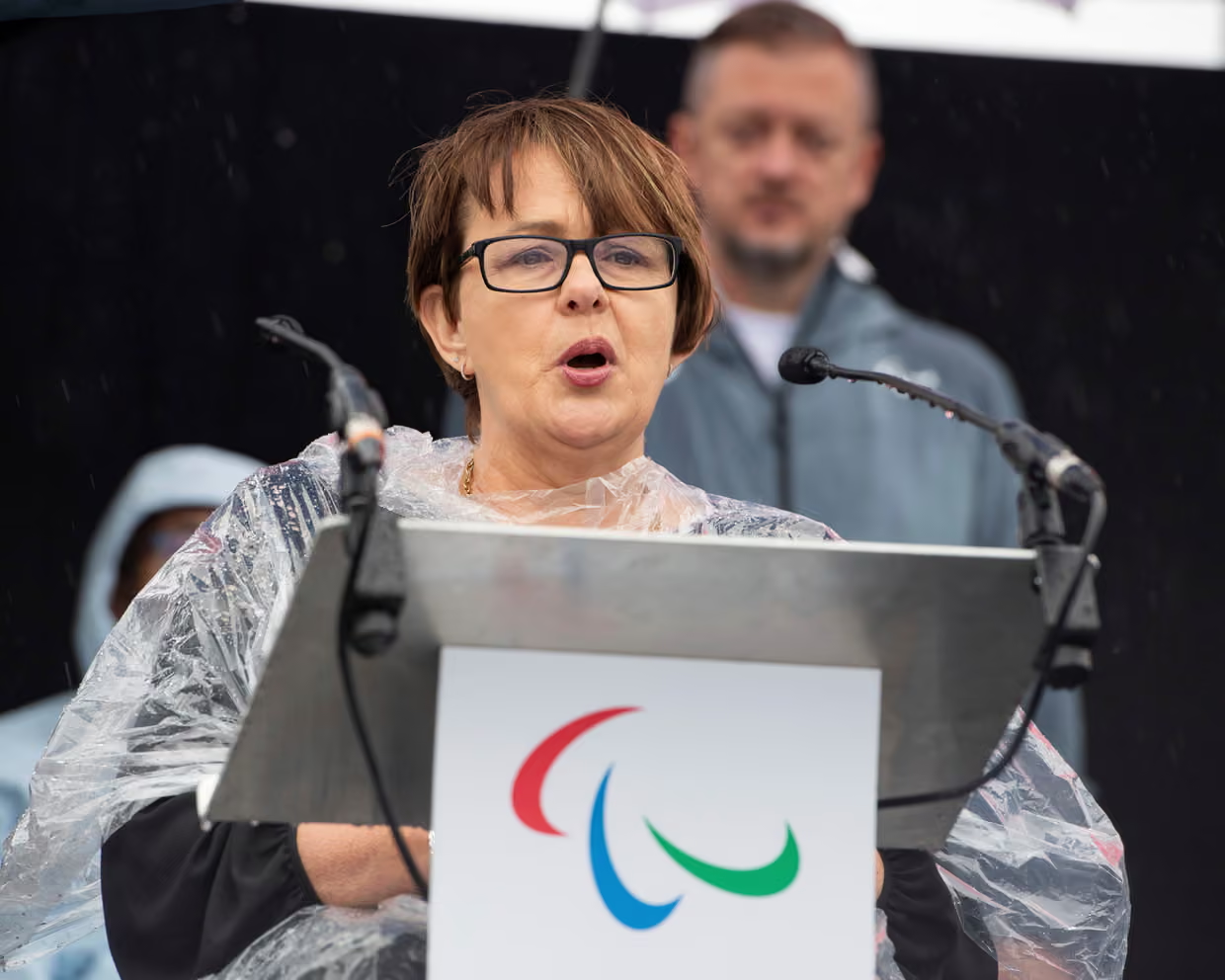
A UK government taskforce led by Baroness Tanni Grey-Thompson, a former Paralympian and disability rights campaigner, is calling for mandatory disability and accessibility training for all airline and airport staff.
The taskforce’s report paints a sobering picture of air travel for disabled passengers, describing their experience as “ad hoc, inconsistent and sometimes catastrophic.” With a growing number of people requiring assistance to fly, the report calls for urgent reforms to make flying safer, more dignified, and less stressful for disabled travellers.
Why This Matters
Disabled passengers have shared alarming stories of mistreatment and confusion at UK airports—from broken wheelchairs and lost mobility aids to being ignored or mishandled by security personnel.
Some key concerns highlighted in the report:
- Security checks often lack dignity and understanding, leading to increased anxiety and fear
- Mobility equipment and guide dog policies vary widely, leading to last-minute panic and inconsistent treatment
- Lack of clear communication leaves passengers unsure of what to expect or what support they can rely on
- Complaints procedures are often unclear, difficult to access, or lead nowhere
What the Taskforce Is Demanding
The taskforce has made several urgent recommendations, including:
- Mandatory disability and accessibility training for all frontline airport and airline staff
- Standardised procedures for handling mobility devices and guide dogs
- Accessible and transparent complaints systems for disabled travellers
- Clearer communication before and during travel about available support and how to request it
- Inclusive design updates to airport infrastructure and onboard environments
The report calls for the UK aviation industry to move beyond “tick-box” efforts and toward a culture of genuine inclusion and respect.
A Matter of Dignity and Safety
Baroness Grey-Thompson said the issue is not only about comfort, but human rights. “Everyone should be able to fly with dignity,” she said. “For too many disabled people, the process is humiliating, unpredictable, and sometimes dangerous.”
The report draws on hundreds of passenger testimonies and years of research into the lived experiences of disabled flyers. Many described being left alone on aircraft, having their mobility aids damaged, or being treated as burdens by poorly trained staff.
One passenger reported being told to “hop” to their seat when no aisle wheelchair was available.
A Growing Need for Action
According to the UK Civil Aviation Authority (CAA), the number of passengers requiring special assistance at UK airports has increased significantly in recent years. This includes not only those with mobility issues, but also people with hidden disabilities, sensory needs, and mental health conditions.
With travel demand returning post-pandemic, the system is under pressure—and without reform, disabled passengers face continued risks and exclusion.
Next Steps: Will the Industry Respond?
The ball is now in the court of the UK aviation sector. The taskforce is urging the government and industry regulators to adopt the recommendations and enforce stronger accountability.
Some airlines and airports have already begun reviewing their training programs in light of growing criticism, but campaigners say piecemeal efforts aren’t enough.
The report is expected to be reviewed by the Department for Transport, which has previously pledged to make transport “fully accessible for all” as part of its Inclusive Transport Strategy.
Final Word: “Equal Travel Is a Right, Not a Privilege”
The taskforce’s message is clear: if the aviation industry wants to be inclusive, equal treatment and access must be the default, not the exception.
Passengers with disabilities are asking not for special treatment, but for basic respect, consistent care, and safe, reliable support when they travel.
Anything less, as this report shows, is not just inadequate—it’s unacceptable.

