
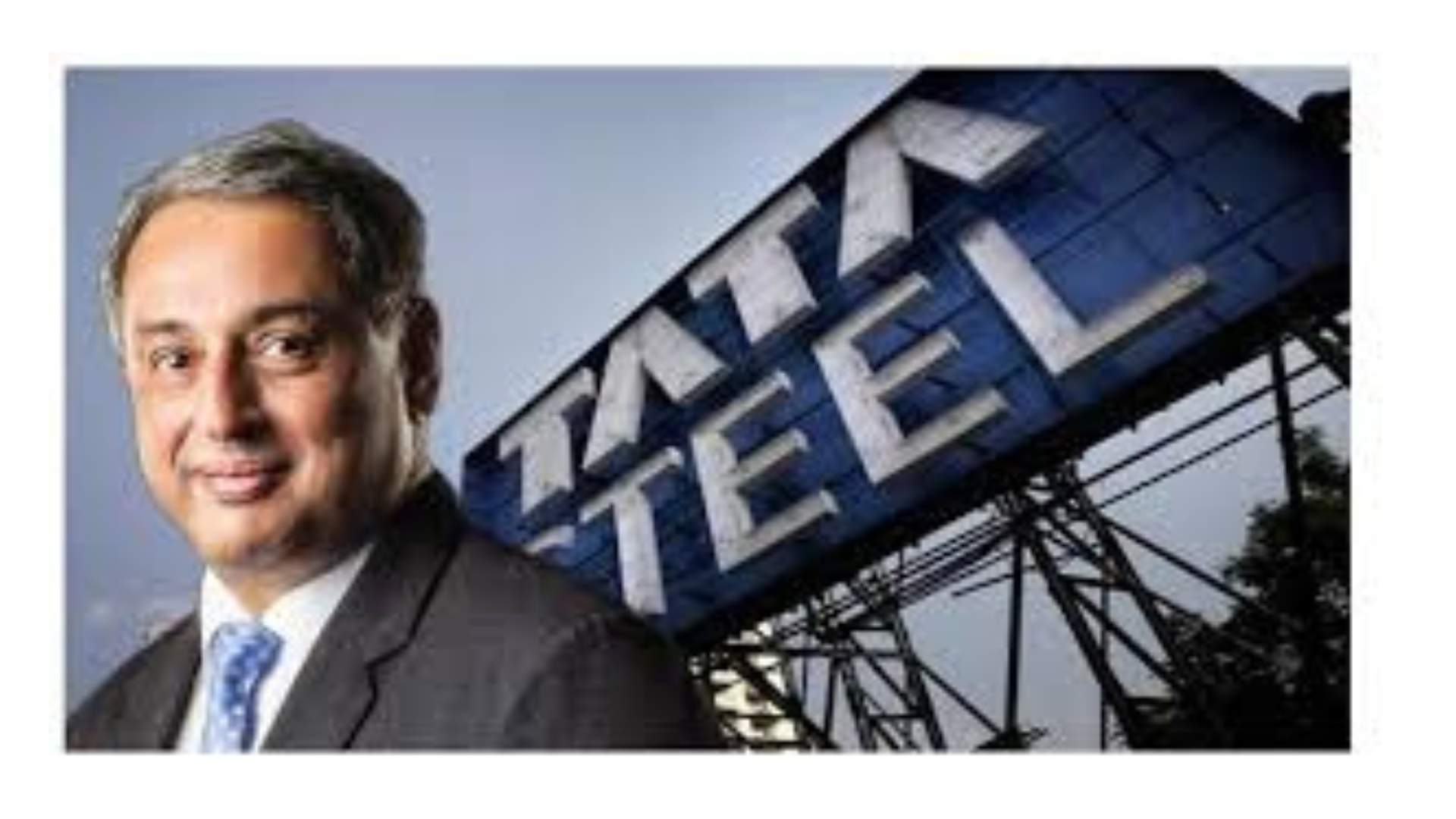

Tata Steel UK CEO Rajesh Nair has called on the UK government to act quickly in reaction to recent tariff proposals by the European Union, calling for the protection of the domestic steel industry in the face of increasing global pressures. The request comes at a pivotal moment for the UK steel industry, which is under assault from increasing foreign competition and an increasingly dynamic trade landscape.
The European Union has recently tabled tariffs on some steel imports, in a move that would have big implications for UK producers. Although meant to shield EU manufacturers, the proposals threaten to generate market distortion that might disadvantage domestic steelmakers. Nair pointed out that a delayed response from the government might leave the UK industry exposed, affecting output, jobs, and future competitiveness.
“Tata Steel UK is a critical part of the nation’s industrial spine,” said Nair. “We need timely and proactive government action to see that the domestic steel industry stays competitive and strong in the face of shifting global trade policies.”
The UK steel sector has long been a pillar of the country’s manufacturing industry, providing essential materials for building, motor, energy, and infrastructure projects. Tata Steel UK is one of the nation’s largest steelmakers and is a significant contributor to the economy, employing thousands through its facilities in Port Talbot, Scunthorpe, and elsewhere.
Nair’s appeal highlights the general interests of UK manufacturers who are concerned that new tariffs in the EU could interrupt supply chains and decrease export opportunities. The steel industry, in particular, is also challenged by the double whammy of world price volatility and the imperative to achieve high levels of environmental standards while the industry shifts to low-carbon production practices.
Experts point out that rapid action on the part of the government is imperative not just to support domestic manufacturers, but also to sustain investor confidence. Precise policy direction regarding trade talks, tariff administration, and support programs will allow steel producers to better plan output and investment strategies.
Industry experts have proposed a number of steps the UK government might take, such as asking for exemptions, granting temporary relief, or imposing countermeasures to maintain a level playing field. The aim, they argue, is to shield the home market without incurring possible trade disputes that could further exacerbate international relations.
Tata Steel UK has also been actively investing in clean technologies in steelmaking, such as hydrogen-based production and carbon capture programs, which indicate the firm’s commitment to sustainability and environmental responsibility. Nair emphasized that supporting these efforts is vital in keeping the sector competitively positioned in the long run.
The remarks come during an era when industrial strategy has been in the spotlight in the UK. Successive government ministers have time and again highlighted the value of British manufacturing, with steel targeted as a key industry because of its role in building the country’s foundations and strategic sectors.
Finally, Rajesh Nair’s appeal to the government to act quickly captures the extent to which the UK has to balance the need to comply with global trade regulations and safeguard its home steel industry. As the EU concludes preparing its tariff proposals, the British government is increasingly under pressure to move quickly to protect the economy and the thousands of jobs reliant on a prosperous steel industry.
