
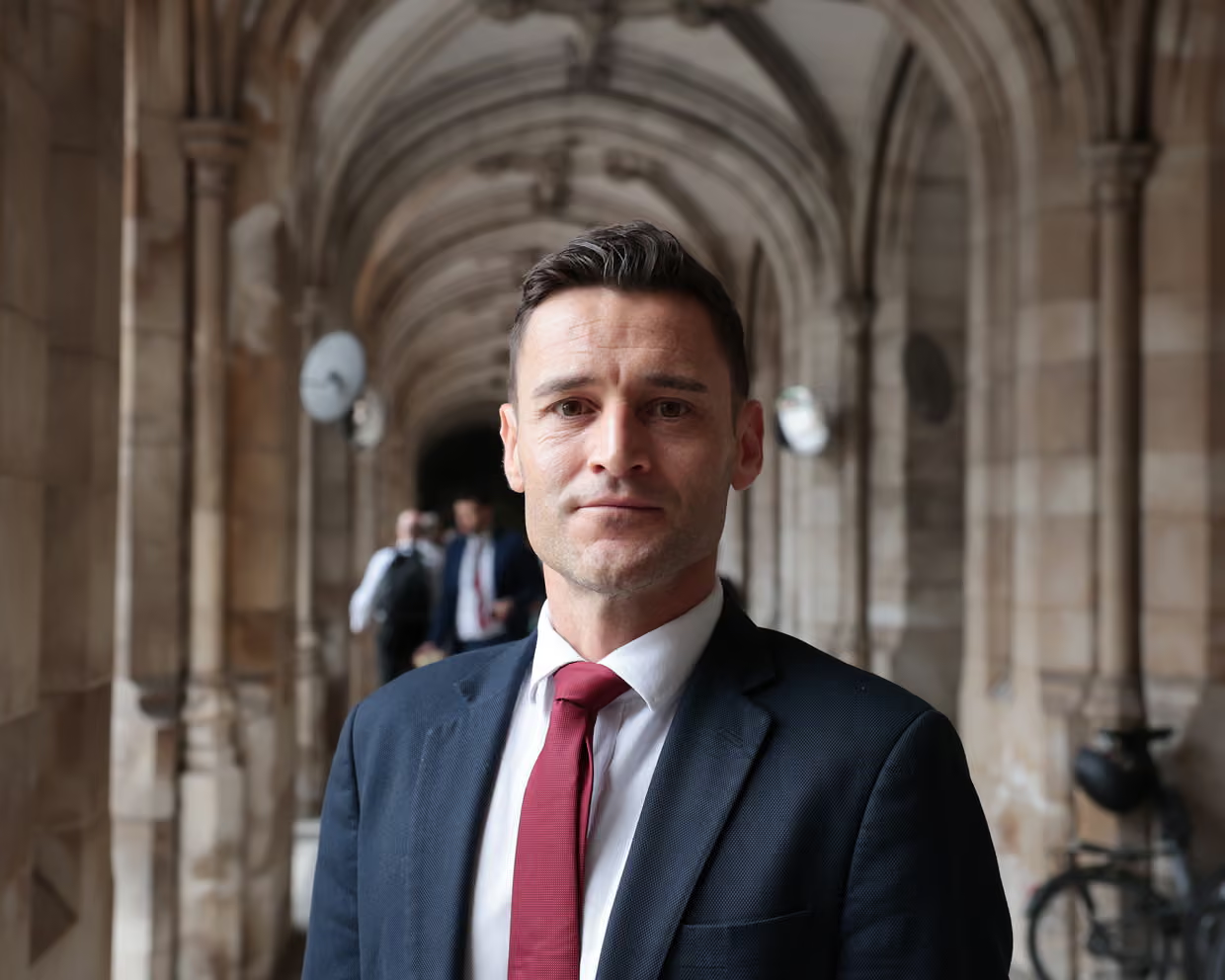

In an age where elections are increasingly influenced by algorithms and attention spans are measured in seconds, a Conservative MP is sounding the alarm: ignore TikTok, and you ignore the next generation of voters.
Dr. Luke Evans, MP for Bosworth and one of the most followed UK politicians on TikTok, has warned that many of his colleagues are failing to reach a massive – and growing – portion of the electorate because they’re staying off the popular video-sharing app.
A Missed Opportunity?
“You’ve got to be where the electorate are,” Evans told reporters, emphasizing that TikTok isn’t just about viral dances or Gen Z humour – it’s a powerful tool for political engagement. With more than 9 million UK users, and a significant portion under the age of 30, TikTok is increasingly shaping political awareness and voter opinion.
Despite this, most UK politicians have steered clear of the platform. Many cite security concerns, particularly around data privacy and the app’s Chinese ownership. TikTok has been banned from government devices in the UK, US, and several other Western nations due to fears of espionage and misuse of personal data.
But Evans argues that this cautious approach could come at a cost. “We need to meet people where they are consuming content,” he said. “If young voters are spending hours on TikTok and getting their news from there, politicians need to be part of that conversation – or risk being left behind.”
Who’s Actually on TikTok?
While the majority of MPs remain absent from the platform, a handful have made waves with their content. Evans, a former GP, has used his TikTok to explain parliamentary processes, debunk misinformation, and even share fitness tips – all in a way that resonates with younger audiences.
Labour’s Zarah Sultana and Jeremy Corbyn also have active followings, often using the platform to highlight social justice issues and engage in political satire. But beyond a small circle, TikTok remains largely unexplored by Westminster politicians.
Security vs. Reach
Critics, however, maintain that concerns about TikTok’s ties to China shouldn’t be brushed aside.
A Cabinet Office spokesperson previously stated, “We take the security of government devices very seriously, and TikTok poses an unacceptable risk.” That’s why it’s banned on government-issued phones, and why MPs are strongly discouraged from using it to conduct official business.
But Evans sees a difference between governmental use and public engagement.
“You wouldn’t hold a classified meeting on TikTok,” he said. “But that doesn’t mean you shouldn’t use it to engage with voters.”
He argues that TikTok is no more of a threat than any other social media platform if used carefully, and that blanket avoidance is short-sighted, especially when platforms like Facebook and X (formerly Twitter) are losing popularity among younger users.
A Generational Divide?
The debate highlights a deeper issue – the growing digital divide between older politicians and younger voters. While MPs continue to rely on traditional media, leaflets, and carefully curated Twitter posts, Gen Z is absorbing news in 15-second sound bites – often from creators, not journalists.
This has opened the door for misinformation, satire being mistaken for fact, and political apathy. But it also creates a unique opportunity for politicians willing to meet young people on their turf.
“If politicians want to build trust and connect with the next generation,” Evans said, “they have to speak their language — and that language is digital, fast-paced, and visual.”
The Bigger Picture
With a general election on the horizon and millions of young voters up for grabs, social media – and TikTok in particular – is becoming a key battleground. Whether MPs like it or not, voters are no longer waiting for press conferences or policy documents to form opinions. They’re scrolling.
And as Evans puts it bluntly: “You either adapt or you disappear from the conversation.”

