
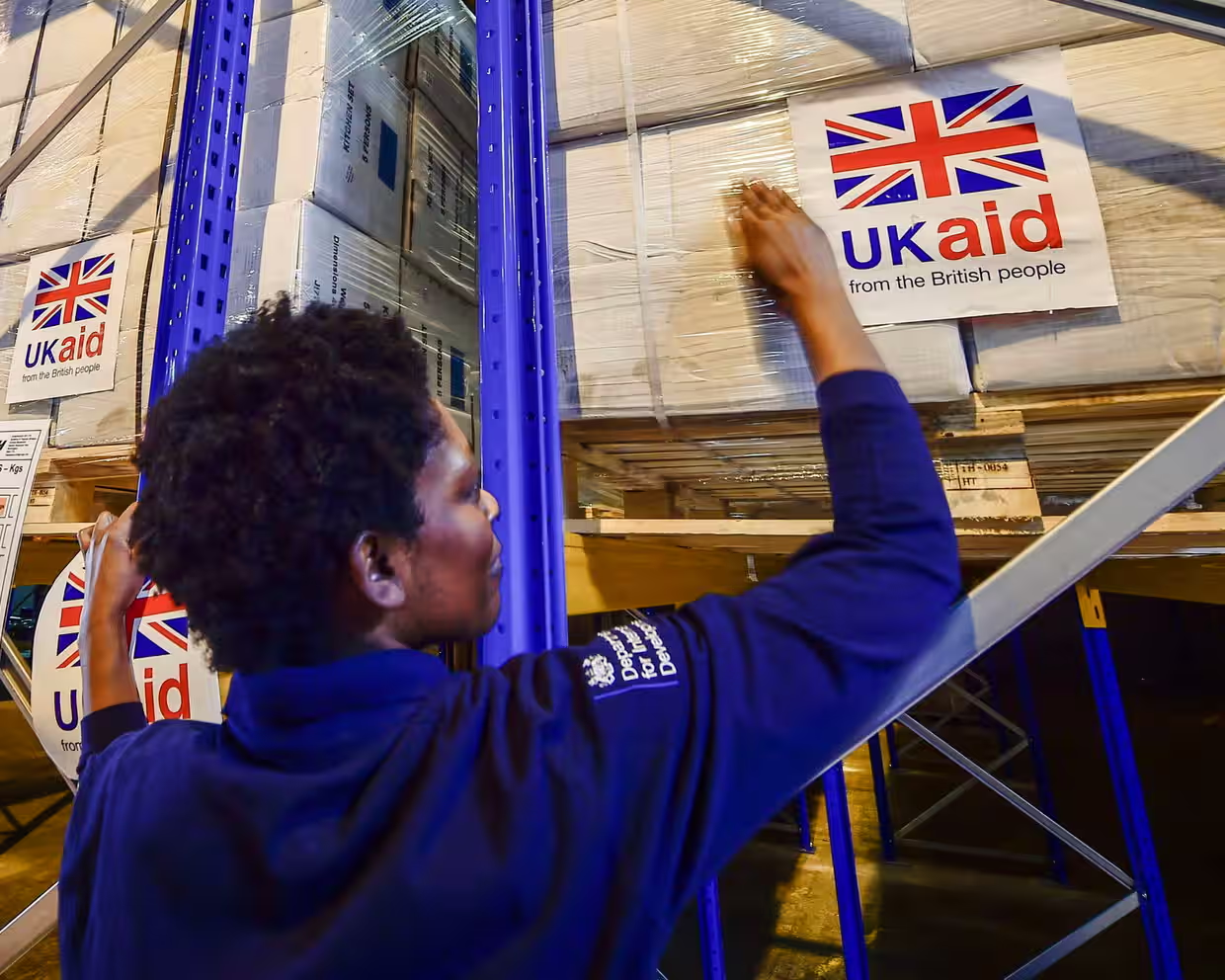

The UK government’s plan to slash overseas aid from 0.5% to 0.3% of national income, reducing support by around £5–6 billion, has sparked widespread controversy—but ministers now say the decision is legally untouchable in court. Here’s what that means—and why campaigners remain fiercely opposed.
What the Government Is Doing—and Saying
- Aid reduction details
• Originally set at 0.7% of GNI, the UK aid budget was cut to 0.5% in 2021.
• In March, Chancellor Rachel Reeves announced further cuts to 0.3% by April 2027—to help fund increased defence spending.
• The government argues that, under the International Development Act 2015, this is permissible so long as ministers report the decision to Parliament. - Legal defense
Government lawyers claim the law explicitly bars courts from questioning ministers’ decisions on aid levels—limiting oversight to Parliamentary reports only.
What Campaigners and MPs Say
Opponents argue the move skirts accountability:
- Legal challenge planned
The aid advocacy group One Campaign, joined by Liberal Democrat peer Jeremy Purvis, contends the government is avoiding both Parliamentary and judicial scrutiny. They maintain ministers can’t revise or ignore the 0.7% legal commitment without new legislation or a formal route back to the original target. - Accountability concerns
Critics note the government has yet to publish impact assessments, required under the Act, examining the cuts’ effects on global poverty or gender equality.
Why This Matters
1. A Shift in UK Aid Policy
This would mark the lowest level of UK aid spending since 1999, reversing years of international development effort and treaties.
2. Legal Accountability Questioned
If courts truly lack jurisdiction, there are fewer checks on ministerial decisions, raising questions about democratic oversight.
3. Humanitarian Consequences
Charities warn the cuts could devastate health, education, and gender equality programmes across vulnerable countries, undermining both moral commitments and strategic alliances.
What Comes Next?
- Judicial review: One Campaign is preparing court action via a pre‑action letter seeking formal clarification.
- Parliamentary pressure: MPs are calling for proper debate, full transparency, and a detailed plan to restore aid to 0.7%.
- Impact audits: NGOs and MPs expect any review to include rigorous assessments of humanitarian impact—something government lawyers say isn’t mandatory.
Final Take
The re‑direction of £5 billion from UK aid to defence may be legally okay under current law—but critics argue it violates the spirit of the law, undermines transparency, and risks real-world harm around the globe. Whether the courts or Parliament steps in, this battle over aid cuts is far from over.