
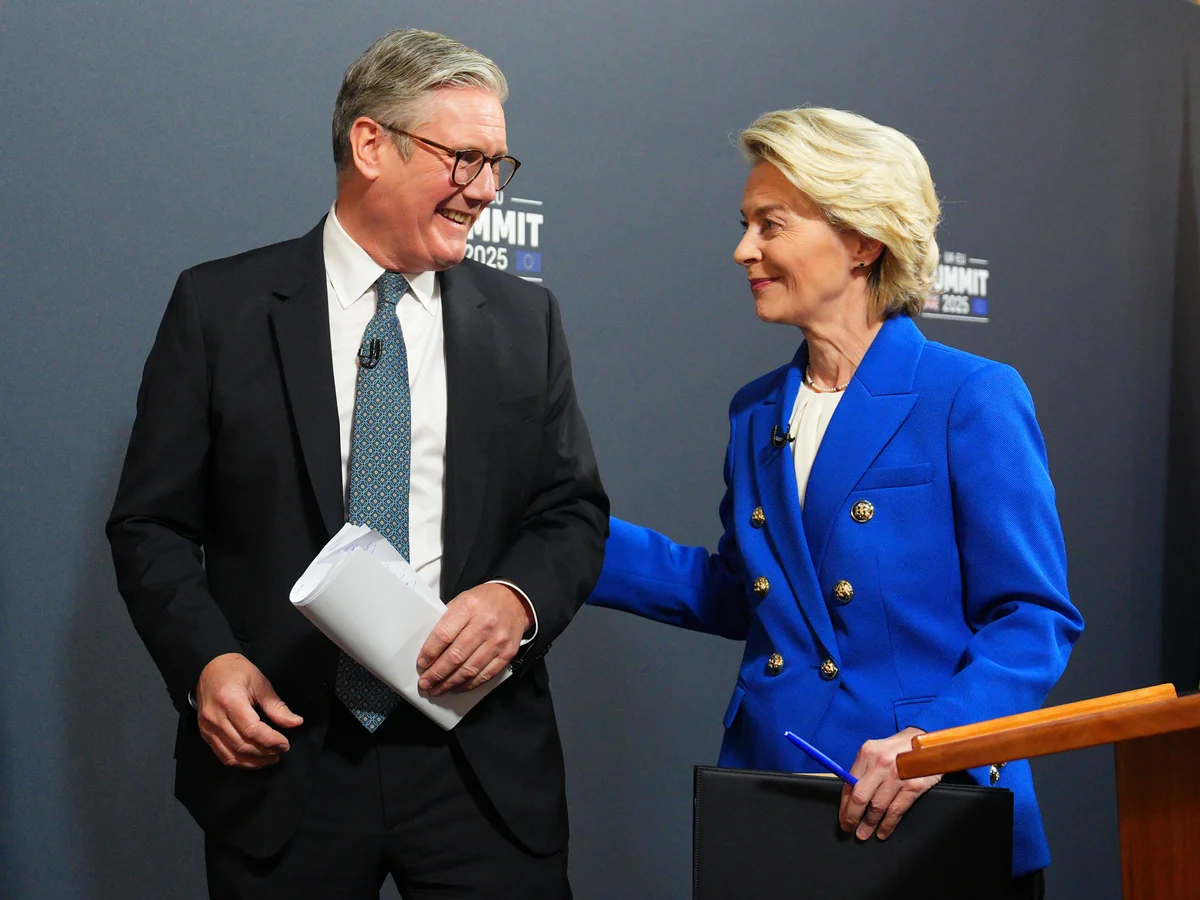
UK and EU Sign Game-Changing Deal: A Fresh Start for Trade, Defence, and Fishing

Nearly a decade after the Brexit vote, the United Kingdom and the European Union have taken a bold step toward rebuilding their relationship. In what’s being described as the most significant reset since Brexit, both sides have agreed on a wide-ranging deal covering trade, defence, and fishing. The agreement signals a major shift in how the UK and EU plan to cooperate in a world increasingly defined by global instability.
This new chapter comes as both sides seek to move beyond past tensions and focus on mutual benefits.
What’s in the New UK-EU Deal?
A Big Win for Trade
The new agreement eases many of the trade barriers that had been frustrating businesses and consumers on both sides of the Channel since Brexit.
- Fewer Restrictions on Food Exports: British food producers will now face fewer hurdles when selling to the EU, making it easier to export meats, dairy, and other goods.
- Simplified Border Checks: Streamlined customs processes mean goods can move more smoothly and quickly.
- Closer Regulatory Alignment: The UK and EU have agreed to align certain standards, reducing red tape for businesses.
This is a major relief for exporters who have struggled with post-Brexit rules and paperwork, and it’s expected to lower costs and increase supply chain efficiency.
Strengthened Security and Defence Ties
One of the most significant components of the agreement is a renewed partnership in defence and security. For the first time since Brexit, the UK will have a formal role in EU defence projects and intelligence-sharing efforts.
- Joint Military Projects and Exercises: The UK can now participate in selected EU defence programs and operations, helping coordinate efforts in areas like cybersecurity, counter-terrorism, and space.
- Closer Law Enforcement Collaboration: There will be stronger cooperation on criminal investigations and counter-organized crime initiatives.
- Crisis Response: Both sides will work together on managing global threats and crises, from military conflicts to humanitarian emergencies.
This reset is being seen as a major strategic shift that recognizes the need for unity in a more dangerous world.
A New Fishing Agreement
Fisheries have long been one of the most contentious post-Brexit issues. The new 12-year fishing agreement aims to calm tensions and provide clarity.
- Access to UK Waters: EU fishing boats will have continued but limited access to British waters.
- Sustainable Catch Limits: Both sides have agreed on managing fish stocks responsibly to prevent overfishing and preserve marine ecosystems.
- Support for Local Fishermen: The deal includes measures to support small fishing communities and ensure fair competition.
While not everyone is thrilled—especially among UK fishing advocates—the long-term agreement is seen as a practical compromise that avoids future disputes.
Why Now?
This breakthrough comes at a time when global alliances are shifting and tensions are rising. With increasing concerns over global security, trade disruptions, and climate challenges, both the UK and EU are looking for more stable and cooperative partnerships.
Rather than continuing to drift apart, the two sides have chosen to come back to the table and find common ground.
Reactions from Both Sides
UK Leaders Call It a “New Era”
British government officials have praised the deal as a reset of UK-EU relations—one that doesn’t reverse Brexit but builds on it with practical cooperation. Leaders see it as a chance to strengthen the UK economy, support national security, and regain trust with European neighbors.
EU Officials Welcome Stability
European leaders have also welcomed the agreement, noting that it brings predictability and collaboration back into the relationship. They emphasized the importance of working with the UK on shared challenges, from defense to trade and beyond.
Some Critics Still Have Concerns
Not everyone is on board with the new deal. Critics in the UK argue that it gives too much away to Brussels, especially on fishing and defence participation. Meanwhile, some worry that closer alignment with the EU could gradually pull Britain back into a tighter orbit.
However, supporters argue that this is about pragmatism—not politics—and that the agreement respects UK sovereignty while solving real problems.
Economic and Strategic Impacts
Early estimates suggest the deal could add billions to the UK economy over the coming years by boosting exports, stabilizing supply chains, and attracting investment. It may also enhance the UK’s influence on global issues by reinforcing partnerships and increasing its role in European security.
For businesses, defence agencies, and citizens, the new agreement promises more predictability and less friction.
A Fresh Start for the UK and EU
The UK and EU have turned the page on years of post-Brexit bitterness with a comprehensive new deal focused on cooperation and mutual interest. With trade barriers reduced, defence ties renewed, and fishing disputes addressed, this agreement lays the groundwork for a more stable and productive relationship.
It may not undo the past—but it definitely redefines the future.

