
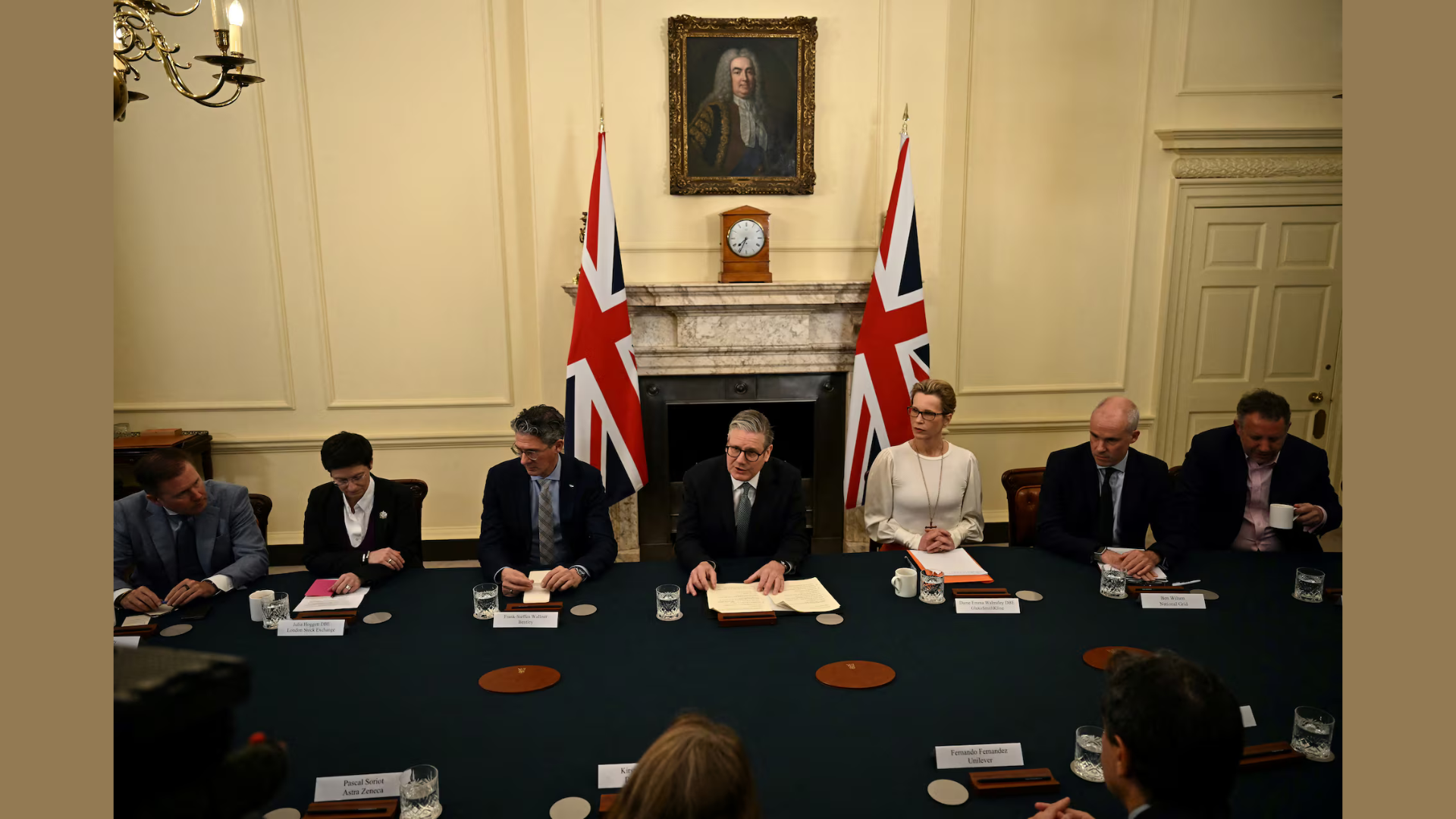

UK chief executives are sharpening their focus on cost control as persistent inflation continues to pressure margins across industries. While inflation has eased from its peak, elevated energy prices, higher wage bills, and increased financing costs remain a concern for businesses entering 2026. As a result, CEOs across sectors are adopting disciplined financial strategies aimed at protecting profitability while maintaining long-term growth ambitions.
One of the most visible shifts is a renewed emphasis on operational efficiency. UK CEOs are closely reviewing cost structures, renegotiating supplier contracts, and streamlining internal processes. Many organisations are undertaking detailed audits of discretionary spending, cutting back on non-essential travel, marketing excesses, and underutilised office space. This pragmatic approach reflects a broader understanding that inflationary pressures may persist longer than initially anticipated.
Labour costs continue to be a major focus area. With wages rising due to skills shortages and cost-of-living adjustments, CEOs are balancing pay competitiveness with productivity improvements. Rather than large-scale hiring, companies are prioritising workforce optimisation, reskilling existing employees, and using technology to automate repetitive tasks. Several business leaders have highlighted that investing in employee productivity delivers better long-term returns than aggressive headcount expansion during uncertain economic conditions.
Technology-led efficiency is emerging as a key pillar of cost control strategies. UK CEOs are increasing investments in automation, data analytics, and artificial intelligence to reduce operational overheads. From automated finance systems to AI-powered customer service tools, digital adoption is helping companies do more with fewer resources. Importantly, these investments are being framed not as optional upgrades but as essential tools to remain competitive in an inflationary environment.
Supply chain management is another critical area under review. Persistent inflation has exposed vulnerabilities in global supply chains, prompting UK CEOs to reassess sourcing strategies. Many businesses are diversifying suppliers, negotiating longer-term contracts to stabilise pricing, and nearshoring certain operations to reduce logistics costs and risks. While these moves can require upfront investment, leaders view them as necessary to achieve cost predictability and resilience.
In consumer-facing sectors such as retail, hospitality, and consumer goods, CEOs are adopting cautious pricing strategies. Rather than passing all cost increases directly to customers, businesses are selectively adjusting prices while focusing on value propositions and brand loyalty. Executives are acutely aware that consumers remain price-sensitive, and excessive price hikes could damage demand. As a result, cost control behind the scenes is seen as a safer lever than aggressive pricing moves.
Financial discipline is also shaping capital allocation decisions. UK CEOs are delaying or phasing large capital expenditure projects, prioritising investments with clear and quick returns. Mergers and acquisitions are being evaluated more conservatively, with a stronger focus on synergies and cost savings rather than pure expansion. Balance sheet strength and liquidity preservation have become top priorities in boardroom discussions.
Despite the focus on cost control, UK CEOs are careful to avoid short-termism. Many leaders stress that cutting costs should not come at the expense of innovation, customer experience, or sustainability commitments. Instead, the prevailing mindset is about “smart efficiency” — reducing waste while continuing to invest in areas that drive future competitiveness. This includes maintaining spending on digital transformation, cybersecurity, and sustainability initiatives that can lower costs over time.
Looking ahead, UK CEOs expect cost discipline to remain a defining leadership theme through 2026. While there is cautious optimism about economic stability, few executives anticipate a rapid return to low-inflation conditions. As a result, cost control is no longer viewed as a temporary response but as an embedded management philosophy. Companies that successfully balance efficiency with strategic investment are likely to emerge stronger, more resilient, and better positioned for long-term growth in an uncertain economic landscape.

