
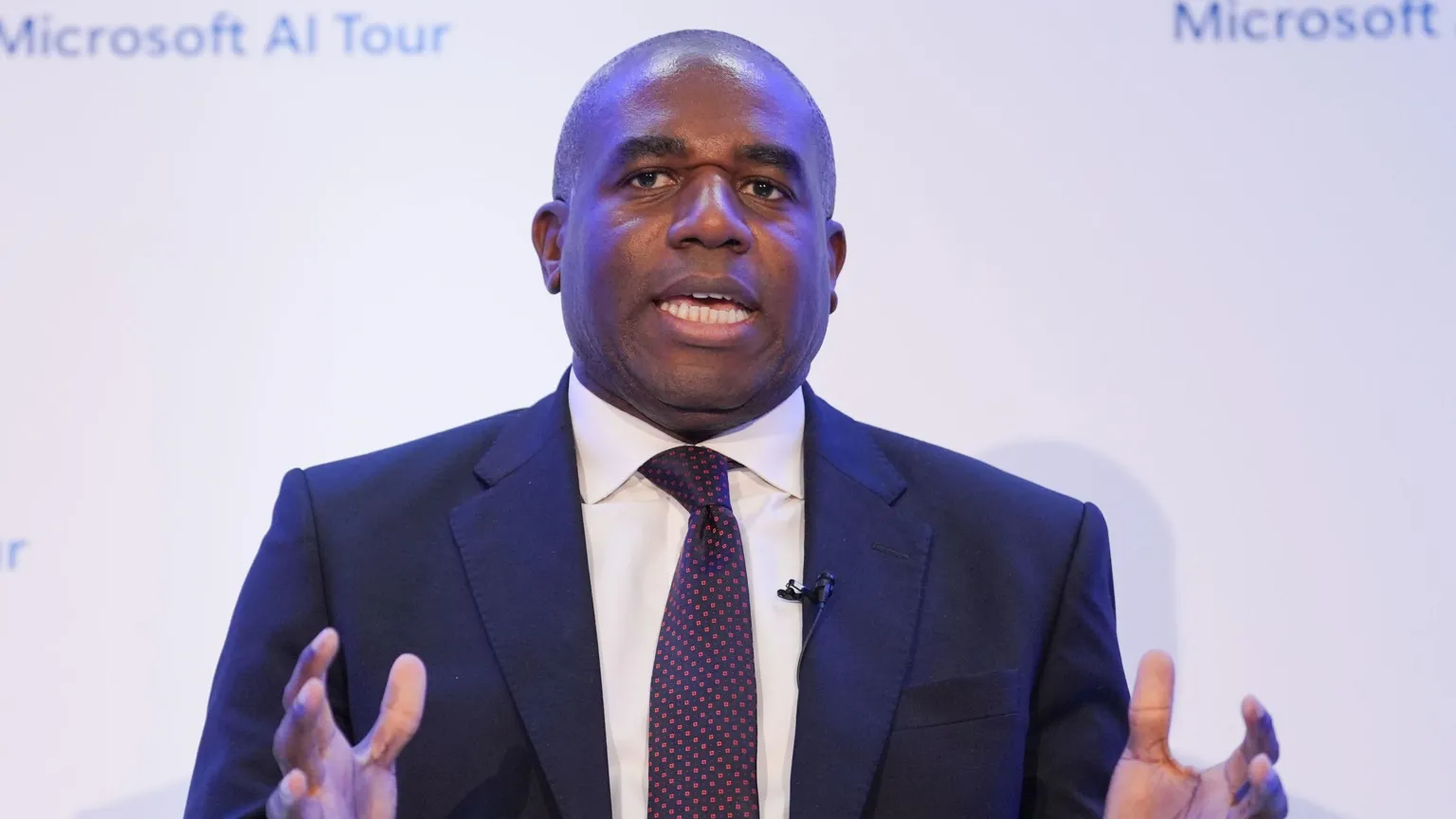

The crown court backlog in England and Wales is expected to continue growing, potentially reaching the same levels by the next general election, according to David Lammy, the Justice Secretary. He discussed the issue in an interview with the BBC.
Currently, the backlog stands at around 80,000 cases. The Ministry of Justice has warned that without action, the number of pending cases could exceed 200,000 by 2035.
New Reforms to Address the Backlog
The government is introducing a series of reforms to Parliament this Wednesday aimed at improving court efficiency, including:
- Lifting the cap on court sitting days to allow more cases to be heard
- Expanding the use of artificial intelligence (AI) to streamline case management and administrative processes
- Creating “Blitz courts” that group similar cases together for faster hearings
These measures are designed to accelerate case processing, but critics remain skeptical about their effectiveness in tackling the long-term backlog.
Controversial Changes: Scrapping Jury Trials
One of the more controversial proposals involves scrapping jury trials for certain offences, a move that has sparked criticism from opposition MPs and legal groups. Critics argue that removing jury trials could undermine public confidence in the justice system and compromise fairness.
Challenges Ahead
Despite the new reforms, Lammy cautioned that the backlog is likely to persist due to systemic challenges in the courts. High caseloads, complex legal processes, and resource constraints are contributing factors that will require sustained attention and innovation.
The Justice Secretary emphasized that reforms like AI integration and Blitz courts are just part of a broader strategy, and continued monitoring and adjustment will be necessary to manage the court system effectively.
The crown court backlog in England and Wales remains a significant challenge for the UK justice system. While the government’s new reforms aim to improve efficiency, experts and officials warn that the backlog could continue rising, potentially persisting through the next general election.
Balancing efficiency with fairness and public confidence will remain key as reforms are implemented.

