
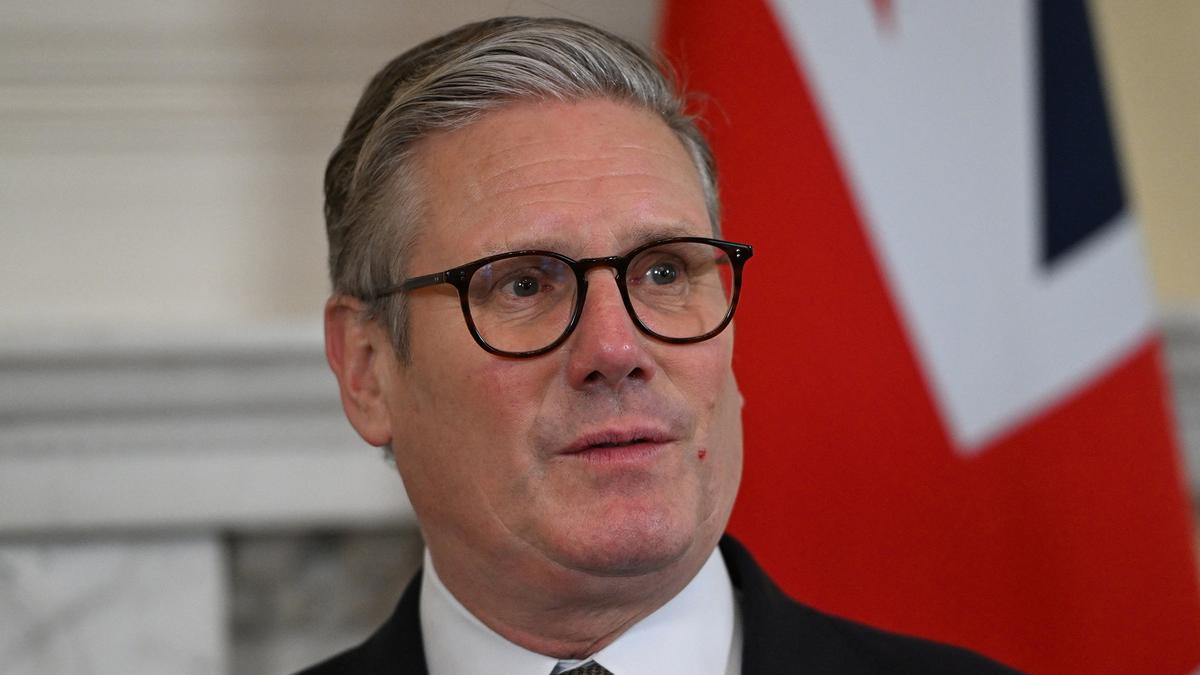
UK PM Keir Starmer Promises to Shield Businesses from Trump’s Tariff Chaos – Will This Save the UK Economy?

Keir Starmer Vows to Step In and Protect UK Businesses from U.S. Tariff Storm
In a move that has shaken the business world, UK Prime Minister Keir Starmer has stepped forward to protect British companies from the disastrous effects of U.S. President Donald Trump’s new tariff policies. On April 5, 2025, Starmer made it clear that he’s ready to “shelter” businesses, with government support on the horizon for industries hardest hit by the tariffs.
But what does this mean for UK businesses and everyday consumers? And can Starmer’s plan really protect the UK economy from the fallout of these aggressive U.S. tariffs? We’re breaking it all down.
Why Are Trump’s Tariffs So Dangerous for UK Businesses?
In simple terms, tariffs are taxes on goods imported into the U.S., making foreign products more expensive. This is a big deal for UK companies who rely on exporting their goods to the States.
President Trump’s new tariffs threaten to raise the cost of British-made goods in the U.S. market, potentially making them less competitive and causing U.K. exports to drop. With billions of pounds worth of goods being traded across the Atlantic, many businesses could face a tough road ahead.
From the car industry to high-end fashion, the U.S. market is crucial for some of the UK’s biggest industries. With tariffs now in play, could UK businesses face huge losses, layoffs, or even closures?
Keir Starmer’s Bold Promise: Government Support for Struggling Sectors
Keir Starmer isn’t waiting around for the dust to settle. The Prime Minister has promised to take action, suggesting that the government will step in to “shelter” businesses from the worst of these tariff troubles.
But what does “sheltering” businesses actually mean? Here’s the scoop:
Government Bailouts: A Lifeline for Affected Industries?
Starmer hinted at possible state-backed loans, grants, or subsidies for companies that are hit hardest by the new tariffs. This could include industries like manufacturing, farming, and high-tech sectors that rely heavily on U.S. markets.
Imagine this: without government intervention, a car manufacturer might be forced to raise prices, making its vehicles unaffordable for U.S. buyers. But with state-backed financial support, that company could keep prices competitive and continue thriving.
Could this be the lifeline UK businesses need to stay afloat?
Which UK Businesses Are in the Most Danger?
Some sectors are more exposed to the effects of these U.S. tariffs than others. Let’s look at the industries most at risk of suffering huge losses.
The Car Industry: Will British Cars Be Too Expensive for Americans?
The U.K. is home to some of the world’s biggest luxury car manufacturers—Jaguar Land Rover, Rolls-Royce, and Aston Martin. The U.S. is a top market for these cars, but with tariffs pushing up the cost of British-made vehicles, they could quickly become less attractive to American buyers. This could lead to falling sales and potential job cuts in the U.K.
High-Tech Products: Will U.S. Consumers Turn Away from British Gadgets?
Britain is known for producing innovative tech gadgets, from electronics to cutting-edge components. But with tariffs making these products more expensive in the U.S., British tech companies could see a significant drop in demand. This is bad news for tech giants and startups alike.
Luxury Goods: Are U.K. Fashion Brands in Trouble?
U.K. fashion and luxury brands could also feel the pinch. With U.S. consumers being some of the biggest buyers of British luxury goods, the tariffs could force prices up, driving U.S. customers to choose cheaper alternatives. This could hit the bottom line of major U.K. fashion houses hard.
Will Keir Starmer’s Plan Really Work?
Now that we know what’s at stake, let’s dive into whether Starmer’s proposed intervention will actually save the day for U.K. businesses. Could the government really make a difference in keeping the economy afloat?
Government Loans and Grants: A Quick Fix or Long-Term Solution?
One key part of Starmer’s plan is to provide government-backed loans or grants to struggling businesses. These could be a huge help in the short term, but the real question is whether this is just a band-aid solution. Will businesses be able to recover once the tariffs are still in place, or will they need long-term structural changes to survive?
Tax Breaks: Could This Be the Ultimate Game-Changer for UK Businesses?
Tax relief could be another lifeline for companies under pressure. By offering tax cuts or deferrals, the government could give struggling businesses the cash flow they need to ride out the tariff storm. However, if this relief is temporary, it might not be enough to ensure long-term stability.
What Happens If Businesses Can’t Survive the Tariff Hit?
If the tariffs cause enough damage, some businesses may not survive, even with government support. In the worst-case scenario, we could see major companies shutting down, which would lead to job losses and even more economic trouble. This makes Starmer’s promise to intervene even more critical.
What About Consumers? Will Prices Go Up in the UK?
It’s not just businesses that will feel the effects of Trump’s tariffs—UK consumers could also face higher prices. With manufacturers and producers struggling to cope with increased costs, we might see a rise in the price of everything from cars to luxury goods.
But if Starmer’s plan works and businesses are protected, the government might be able to shield consumers from the worst effects. For now, the real question is: will the government’s intervention be enough to keep prices stable?
What’s Next for UK-U.S. Trade? Can Relations Be Saved?
This tariff situation is only the latest twist in the ongoing trade drama between the U.K. and the U.S. President Trump’s aggressive tariff policies have put the two countries at odds, and the stakes couldn’t be higher. Will Starmer be able to protect UK businesses while maintaining a good relationship with the U.S.? Or will the tariff storm continue to brew, threatening the U.K.’s position in global trade?
One thing’s for sure: the coming months will be crucial in determining the future of UK-U.S. relations and the impact of these tariffs on businesses and consumers alike.
Will Keir Starmer’s Intervention Be Enough to Save UK Businesses?
Prime Minister Keir Starmer’s pledge to protect UK businesses from Trump’s tariffs is a bold and necessary step. But whether his plan will be enough to save the economy and prevent widespread job losses remains to be seen. The next few months could be make-or-break for businesses already struggling under the weight of global trade tensions.
The real question is: will the government’s financial support be enough to keep businesses afloat, or will the tariffs cause irreparable damage? As the situation develops, UK businesses and consumers will need to keep a close eye on how Starmer’s plan unfolds.

