
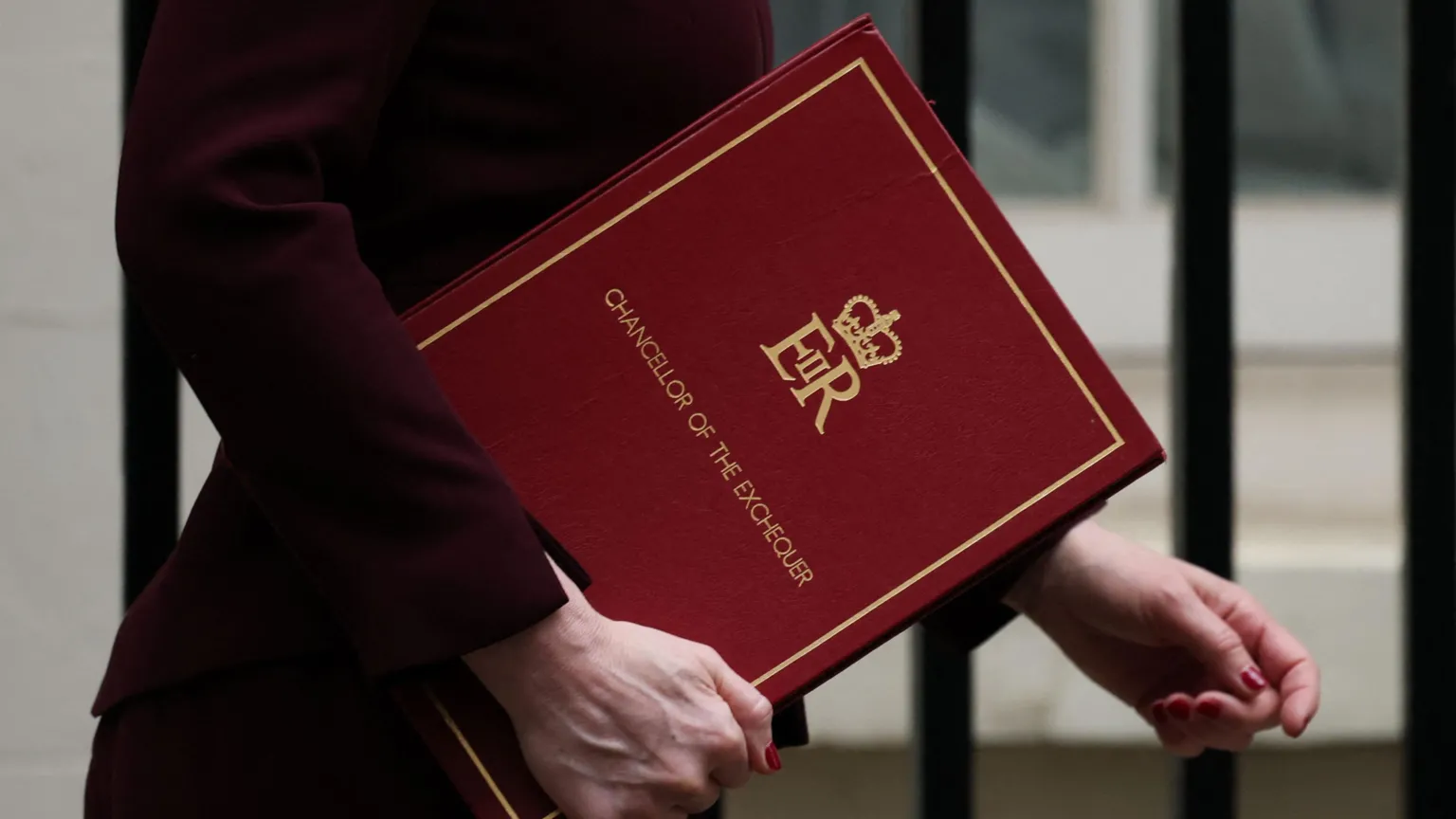
UK’s Spring Statement 2025: What Chancellor Rachel Reeves Just Announced Could Change Everything

Major Moves in the UK Economy – What You Need to Know
Chancellor Rachel Reeves has just revealed her plans for the UK’s economy in the 2025 Spring Statement, and things are looking pretty interesting. The government’s watchdog, the Office for Budget Responsibility (OBR), also dropped its latest economic forecast, providing a fresh look at what the future holds. But what exactly is in store for the average Brit? Here’s a breakdown of the key points from the Spring Statement and what it means for you.
Key Points from Chancellor Rachel Reeves’ 2025 Spring Statement
Reeves took to the House of Commons to share her vision for the UK economy, covering everything from growth forecasts to the government’s financial priorities. With a lot on the line, here are the highlights you need to know.
Growth Forecast Slashed: What’s Really Going On?
One of the biggest takeaways from the Spring Statement is the dramatic downgrade in the UK’s growth forecast for 2025. According to the Office for Budget Responsibility (OBR), growth has been cut to just 1%. That’s a major revision from earlier predictions and highlights the economic challenges the UK is facing.
Why is this happening?
The government attributes this slowdown to global instability. With inflation rising worldwide and ongoing uncertainties in the global economy, the UK’s growth rate has taken a hit. While it’s a tough pill to swallow, Chancellor Reeves remains optimistic for the future, insisting that the country will bounce back.
Welfare Budget Cuts: Tightening the Belt Further
In an effort to balance the books, Chancellor Reeves has confirmed further cuts to the welfare budget. While the goal is to reduce public spending, the decision has sparked concerns about the impact on vulnerable people.
Why these cuts matter
For many Brits, welfare payments are a lifeline, helping to cover essential living costs. With the cost of living still high, cuts to welfare could make it even harder for people to get by. However, the government argues that these cuts are necessary to ensure long-term financial stability.
Reeves emphasized that she is focused on making the welfare system more efficient. But, for those who rely on government assistance, these cuts are likely to sting.
Defense Spending Boost: The UK’s Security Priority
While the welfare budget is getting squeezed, defense spending is on the rise. With international tensions growing, particularly in Europe, the UK government is prioritizing national security. Reeves announced significant increases in defense funding to strengthen the UK’s defense capabilities and protect national interests.
Why the focus on defense?
In an era of increasing global uncertainty, security has become a key issue. The government believes that stronger defense spending will ensure the UK can stand its ground on the world stage, particularly as geopolitical risks continue to rise. While the move is expected to bolster the country’s military readiness, critics argue that more investment should be made in domestic services like healthcare and education.
The OBR’s Optimistic Long-Term Outlook: Can Housing Save the Day?
Despite the immediate challenges, the Office for Budget Responsibility (OBR) is projecting brighter days ahead. While the 2025 forecast may be downbeat, the OBR is predicting that growth will pick up in the years that follow. One of the key reasons for this optimism? Housebuilding.
Why housing matters
The government is betting on an expansion in housing development to drive future growth. More housebuilding means more construction jobs, more investment, and more housing opportunities for the public. It’s a strategy that aims to address the UK’s housing crisis while stimulating the economy.
Reeves and the OBR are hopeful that this push for more homes will create long-term benefits for the economy, from increased employment to better infrastructure. But how quickly this will translate into growth remains to be seen.
The Big Question: What Does This All Mean for You?
With all these changes, the big question is: How will the Spring Statement impact the average Brit? Let’s break it down:
- Rising Costs – Welfare cuts may mean less financial support for those who need it most, and this could make it harder for families already struggling with the cost of living.
- Stronger National Security – Increased defense spending might reassure some, especially in light of growing global instability. However, critics argue the government should focus more on domestic issues.
- Future Growth – The government’s bet on housing may eventually pay off, but will the immediate economic challenges make it harder for everyday citizens to feel the benefits?
While Reeves’ long-term vision is focused on stability and growth, the path forward may be rocky. It’s clear that her plans are designed to navigate the global economic storm, but how quickly the UK can recover from the present slump remains uncertain.
What’s Next for the UK Economy?
Looking ahead, it’s clear that Chancellor Reeves’ Spring Statement is just the beginning. The UK economy faces significant challenges, and the road to recovery will likely require a combination of tough decisions, long-term investments, and global stability.
While the government is betting big on housing to drive future growth, the reality is that many Britons will feel the strain of the immediate cuts in welfare spending and the slow growth rate in 2025. As global uncertainties continue, Reeves will need to keep a steady hand on the wheel and make adjustments to ensure that the UK can weather the storm.
Tough Times, but Hope for the Future
In the 2025 Spring Statement, Chancellor Rachel Reeves painted a picture of an economy that’s struggling but poised for recovery in the long run. The immediate forecast might be grim, with growth predictions slashed and welfare cuts on the horizon, but the government’s investment in housing and defense spending signals a strategy for long-term stability.
While the short-term outlook is tough, there is hope that the country can bounce back if these investments pay off. For now, the UK must navigate a delicate balance of controlling spending, stimulating growth, and ensuring that vulnerable citizens are not left behind. The real challenge lies ahead—let’s see if Reeves’ strategy will steer the country toward brighter economic days.

