
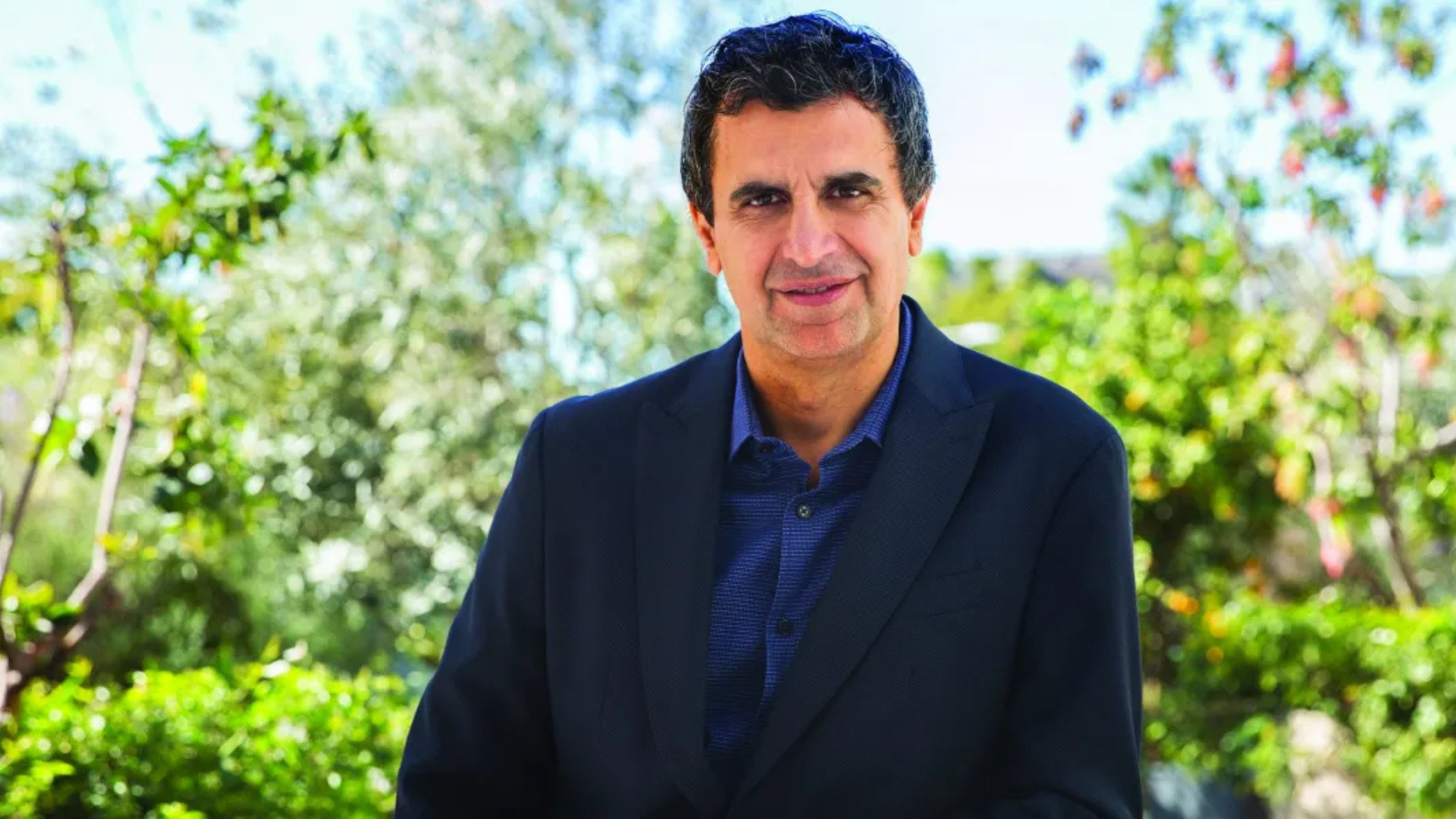

The Chief Executive Officer of Unilever has reiterated the company’s strategy for its premium brands and its commitment to the promotion of sustainability, with the positioning of both a key foundation for the future growth and viability of the company, given the evolving needs and behaviors of the company’s target consumers, who are increasingly driven by the need for premium quality and sustainable brands.
The CEO also specifically highlighted the fact that the role played by the high brands in the overall business is becoming progressively important for the company, especially across the categories including beauty, personal care, and the well-being category. With the increasing demands and expectations from the consumers, they are willing to pay more for products and experiences that not only perform well but also connect on an emotional level and offer a unique branding experience.
According to the CEO, “Premiumization is much more about innovation, rather than just price.” Unilever is investing in innovation, formulations, ingredients, packaging, and sampling that warrant premium pricing. This is particularly apparent in skincare, haircare, and wellness categories, where science-driven innovation influences consumer purchase decisions.
On the other hand, the CEO emphasized that sustainability is very much integrated into the business model at Unilever. According to Unilever, being a sustainable company has become a source of competitiveness for the company. Brands that show that they stand for good environmental and social practices are increasingly the preferred choice of consumers, especially the younger generation that demands accountability from global companies.
The sustainability focus of Unilever applies in a variety of fields, ranging from lessening carbon footprint, waste of plastics, improving water usage, to responsible sourcing mentioned in their supply chain. In a statement from the CEO, it was observed that this push for sustainability is actually incorporated into their product development and brands, with sustainable packaging, reformulating, or reduction of impact materials becoming a common offering in most of their higher-end brands.
The leadership at this company also mentioned that portfolio rebalancing enabled them to achieve their strategy. Unilever will concentrate its spending on faster-growing, premium categories, as well as simplify and exit slower-growing businesses, which will help this company to have a flexible business organization. It will allow this company to make decisions faster, as well as increase its overall efficiency.
The CEO confirmed that its FMCG sector still has its set of challenges in terms of cost inflation, supply chain, and intense competition. Nonetheless, Unilever’s strategy to emphasize premium brands can act as a buffer in addressing these challenges by relying on pricing power and premium brands. Another area with potential long-term cost savings is its approach to sustainability.
“Another area emphasized in the CEO’s message was the focus on alignment between sustainability and financial profitability. In contrast to the popular misconception that sustainability undermines profitability, Unilever recognizes that many sustainability initiatives are value-creating measures that can drive down costs while meeting regulatory and consumer demands,” he added. Reducing energy in manufacturing processes, minimizing materials, and embracing a product-as-a-service packaging model, for example, can drive down costs while meeting regulatory and consumer demands.
Employee engagement and culture were also mentioned as important factors in achieving the company goals. The CEO explained that the people of Unilever are very important when it comes to implementing sustainability and premium thinking into the daily business. The CEO emphasized that empowering teams to make decisions that consider sustainability is important in maintaining its leadership position in the global market.
Moving forward, “The leadership of Unilever believes that the strategic emphasis on premium brands and sustainability will deliver quality growth.” This will ensure that Unilever stays relevant in a world where, according to them, “consumers are becoming more discerning, regulators more demanding, and the imperative to address our planetary challenges more pressing.” Through this reemphasis of Unilever’s dedication to “premiumisation and sustainability,” Unilever appears to position itself not only as a global consumer goods company but also as a company that aims to deliver better products while doing good at the same time. This seems to be in line with what the Unilever CEO views as the key to success at the “intersections of brand excellence and doing good.”

