
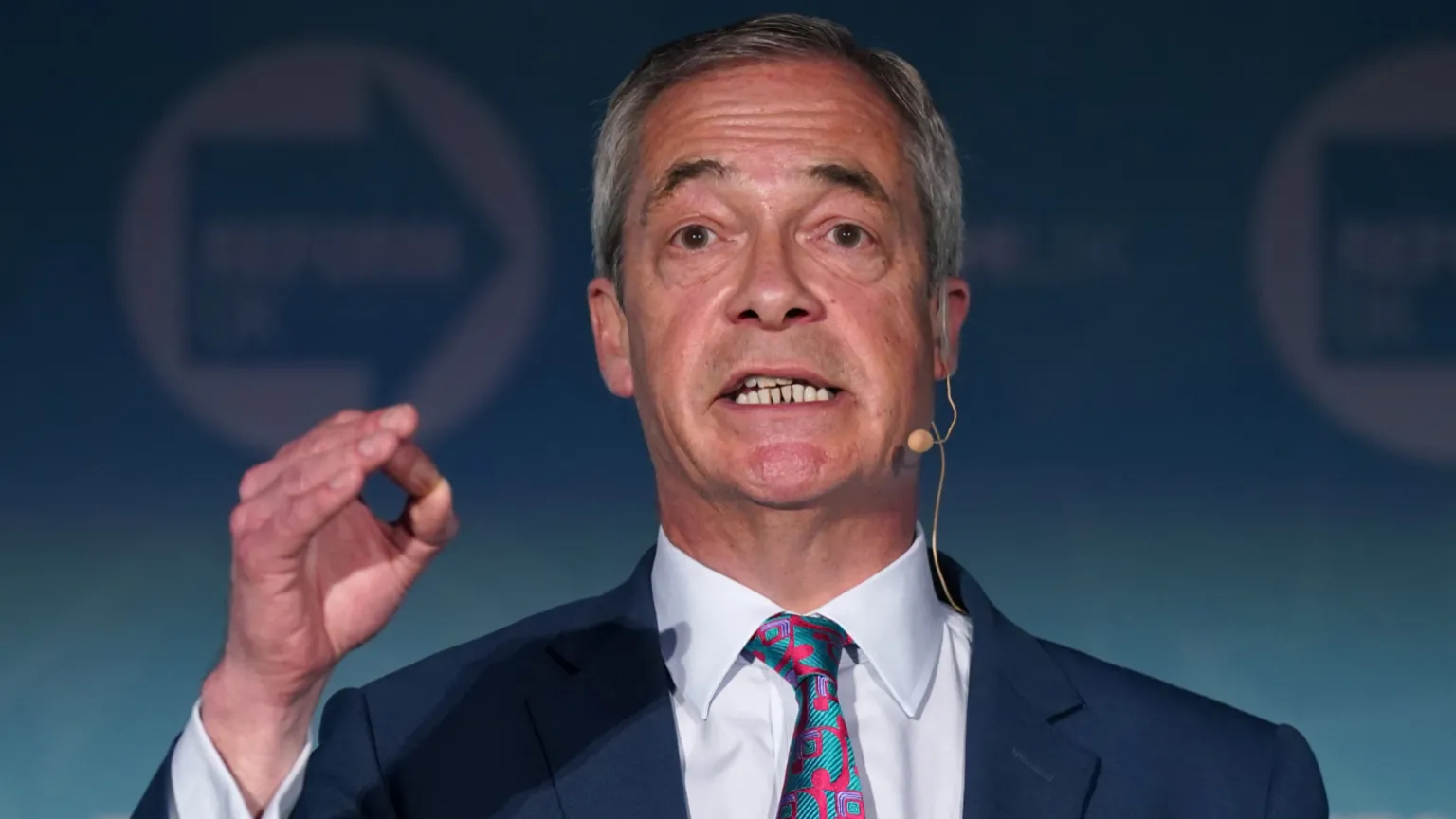

Farage Criticizes Trump’s Handling of Ukraine Talks: “Too Much Ground Given to Russia”
In a bold statement, Nigel Farage, the leader of Reform UK, has criticized Donald Trump’s approach to the ongoing Ukraine conflict, claiming that Russia is getting far too much in the current peace negotiations. Farage’s comments have sparked debate, particularly as Trump aims to deliver a swift resolution to the war.
The former UKIP leader and prominent Brexit advocate said he would not fully support the stance taken by Trump’s team in Ukraine ceasefire talks, highlighting his concern that Vladimir Putin might come out as the “winner” in any potential deal.
Trump’s push for a peaceful resolution has been a central theme of his presidency, but two months into his second term, his efforts have yet to yield any tangible progress. With the world watching closely, Farage’s comments have raised important questions about the U.S. president’s approach and the possible consequences of a ceasefire deal that favors Russia.
Let’s dive into the details of Farage’s critique, the wider context of the Ukraine conflict, and what’s at stake in the global peace talks.
Trump’s Push for Peace in Ukraine: A Controversial Strategy
Trump’s Promise for a Quick Resolution
Since returning to office, Donald Trump has consistently promised a swift resolution to the Ukraine war, aiming to bring an end to the ongoing conflict between Russia and Ukraine. His peace efforts have been met with mixed reactions, with some praising his desire to end the war quickly and others questioning the details of his strategy.
Trump has made it clear that he wants to negotiate a ceasefire between Russia and Ukraine, but so far, there has been no breakthrough in peace talks. As of now, both sides remain locked in a brutal conflict, and peace talks have largely failed to produce any concrete results.
Trump’s “America First” approach has been to focus on national security and avoid further escalation of global conflicts. However, Farage’s recent remarks suggest that Trump might be going too far in seeking peace with Russia, potentially at the cost of Ukraine’s sovereignty and territorial integrity.
Farage’s Concerns: Is Trump Giving Too Much to Russia?
Russia Winning in a Ceasefire Deal?
Nigel Farage, a prominent critic of current global diplomacy, has expressed concern that Trump’s peace strategy might end up benefiting Russia more than Ukraine. In an interview with the BBC, Farage stated that Russia is getting too much ground in the ceasefire talks and that Putin should not be allowed to emerge as a “winner” in any peace agreement.
Farage made it clear that he believes it’s important to aim for peace, but he added that Ukraine’s sovereignty and territorial integrity must be non-negotiable. According to Farage, any peace deal that leaves Russia with significant territorial gains or political advantages would send the wrong message to Putin and the international community.
Farage’s concerns reflect a wider view that some critics hold: that any peace deal should hold Russia accountable for its aggression, rather than rewarding it with concessions. The situation is complicated by the fact that both Russia and Ukraine have deep-rooted historical and political ties, and finding a solution that satisfies both sides seems increasingly difficult.
The Global Impact: What Does This Mean for Peace Talks?
The Stakes in the Ukraine Conflict
The Ukraine conflict, which began in 2014 with Russia’s annexation of Crimea, has escalated dramatically in recent years. With thousands of lives lost and cities reduced to rubble, the international community is desperate for peace, but also wary of leaving key issues unresolved.
For Ukraine, the conflict is about much more than territory; it’s about the country’s sovereignty, its future, and its place in the global order. Ukraine has called for Russia to withdraw its forces and respect its borders, but Russia, under President Vladimir Putin, continues to push for recognition of its control over parts of Ukraine and other concessions.
If Trump’s peace talks result in Russia maintaining control over large swaths of Ukrainian territory, it could create a dangerous precedent for future conflicts. Many fear that this could embolden other countries to take similar aggressive actions, knowing that they might get away with it in the long run.
On the other hand, the U.S. and global leaders are equally concerned about the human cost of war. A prolonged conflict in Ukraine only increases suffering and instability, and finding a solution is critical to global security.
Farage and Trump: A Tense Relationship Over Ukraine Strategy
Farage’s Position on Peace Negotiations
While Farage is generally aligned with Trump on many global issues, including his “America First” foreign policy stance, the two men appear to be at odds when it comes to the specifics of the Ukraine conflict. Farage has argued that a peace deal with Russia should not come at the expense of Ukraine’s sovereignty or long-term security.
For Farage, the key point is that peace should not be achieved by compromising fundamental principles. Farage wants to ensure that any negotiations are fair to Ukraine and that Russia faces consequences for its actions. The Reform UK leader has made it clear that while he supports efforts to end the war, he believes Russia should be held accountable for its aggression and that any peace deal must be in Ukraine’s best interest.
Despite Farage’s criticism, Trump’s position on Ukraine remains focused on diplomacy and resolving the conflict as quickly as possible. The reality is that finding a lasting peace agreement requires difficult compromises on all sides, and the stakes are incredibly high.
What’s Next for Ukraine? The Road to Peace
Challenges in Negotiations
As peace talks continue, the situation remains complicated. Ukraine is unwilling to concede territory to Russia, and Western countries, led by the U.S., are focused on providing military and economic support to ensure Ukraine’s defense. However, Russia continues to pressure Ukraine, making it clear that it sees Ukraine’s western alignment as a threat to its own influence.
Trump’s team will need to balance peace talks with strategic considerations, as any agreement will have long-term repercussions for European security and global stability. Farage’s call for a more firm stance against Russia may resonate with many who are wary of Russia’s ambitions, but ultimately, it will be up to global leaders to navigate the geopolitical chessboard and ensure a fair and just outcome.
A Divisive Issue at the Heart of Global Diplomacy
Nigel Farage’s criticisms of Trump’s handling of the Ukraine peace talks highlight the complexities of the conflict and the differing approaches that global leaders are taking. While Trump’s desire for a quick resolution is clear, Farage’s warnings about giving too much ground to Russia underscore the need for caution in negotiations. As the situation continues to evolve, it’s likely that the debate over the best way forward will only intensify.
The world is watching closely, and the outcome of these peace talks will have far-reaching consequences for not just Ukraine, but for global security as well. Will Trump’s diplomatic efforts succeed in bringing peace, or will Russia emerge with too many concessions? Only time will tell.