
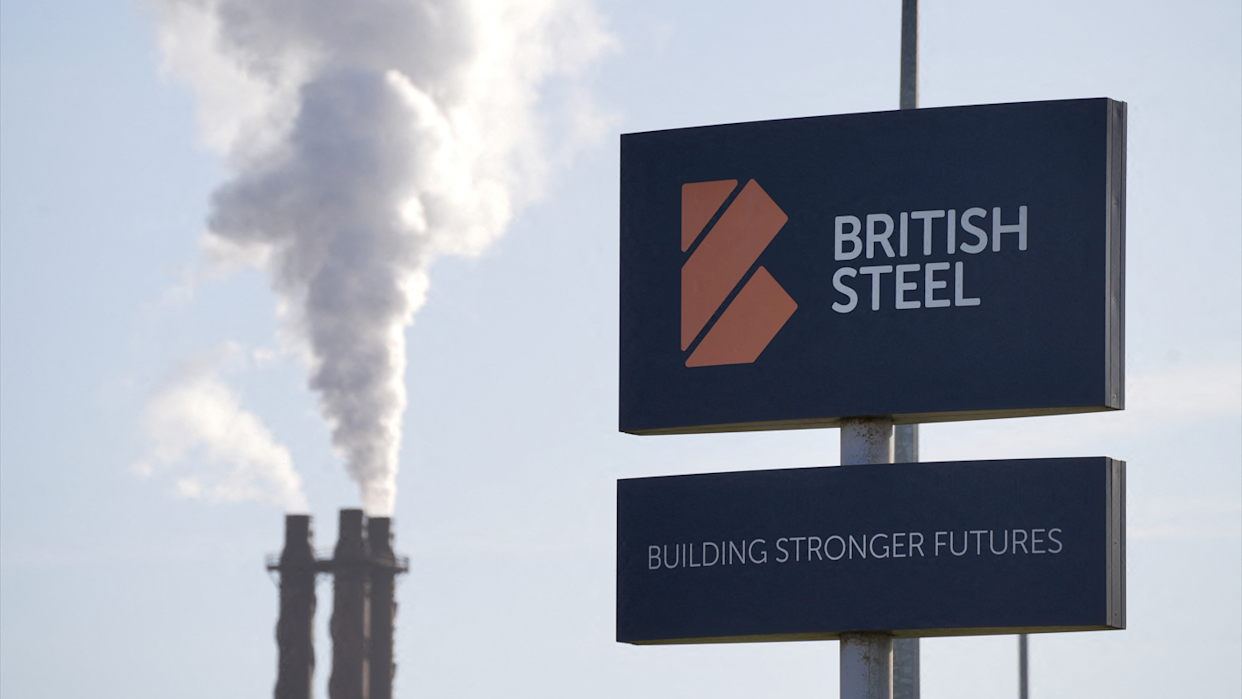
Government Takes Action to Save British Steel from Collapse: What’s Next for the Scunthorpe Plant?

The future of British Steel is hanging in the balance, and the U.K. government is stepping in to prevent a major disaster. In a rare move, Parliament has been recalled for an emergency Saturday session to pass a law that could stop the closure of British Steel’s Scunthorpe plant. The government’s push to “take control” of the steelmaker is a bold step to safeguard jobs, but it also raises the possibility of the company being fully nationalized in the future. Here’s everything you need to know about what’s happening with British Steel and what this government intervention could mean for the future.
Why Is British Steel in Trouble?
British Steel has found itself in a crisis. The company, which operates one of the U.K.’s biggest steel plants in Scunthorpe, is on the brink of collapse. Its Chinese owner, Jingye Group, has warned that the steelworks’ blast furnaces are no longer financially sustainable. This statement comes as a shock, as the Scunthorpe plant plays a crucial role in providing steel for industries across the country.
Jingye’s concerns about the plant’s financial viability have put thousands of jobs at risk, and it has raised fears that the closure of the blast furnaces would have a ripple effect throughout the local economy.
What Is the Government Doing to Save the Plant?
In an extraordinary move, the U.K. government has decided to step in. Parliament has been urgently recalled for a rare Saturday sitting, with one clear goal: passing an emergency law that would allow the government to take control of the Scunthorpe plant and prevent its closure.
Sir Keir Starmer, the leader of the opposition Labour Party, has supported the move, saying the legislation would help stop Jingye from closing the blast furnaces. This law would give ministers more power to intervene and potentially save the plant from shutting down, protecting jobs and the steel industry in the region.
Could This Be the First Step Toward Nationalization?
The government’s intervention doesn’t stop at just controlling the Scunthorpe plant. In a statement, Prime Minister Rishi Sunak confirmed that “all options remain on the table” to ensure the long-term survival of British Steel. This leaves the door open for a full nationalization of the company if necessary.
Nationalization means that the government could take ownership of the company and run it as a public entity. While this would be a drastic step, it would ensure that the steelworks continue to operate and that jobs are protected. The government’s willingness to explore all options suggests that they are prepared to take whatever action is needed to prevent British Steel from collapsing entirely.
Why Is This So Important?
The closure of British Steel’s Scunthorpe plant would have far-reaching consequences. Aside from the thousands of workers directly employed at the plant, many other industries rely on British Steel’s products. If the plant were to close, it would also affect suppliers, contractors, and the local economy.
Beyond the immediate job losses, the closure would also impact the U.K.’s steel supply. Steel is a crucial part of many industries, including construction, automotive, and manufacturing. Losing a major steel supplier like British Steel would leave the U.K. vulnerable and could force it to rely on imports, which would likely be more expensive.
The government’s decision to intervene comes at a time when the U.K. is already grappling with economic challenges, and the last thing it needs is a massive job loss in a key sector. By stepping in now, the government is hoping to protect both workers and the wider economy.
What Happens Next?
The emergency legislation to take control of the Scunthorpe plant is just the first step in a much larger negotiation. Talks have been taking place throughout this week, as both the government and Jingye work on a solution that will allow production to continue at the steelworks.
However, the future of the plant is far from certain. Jingye has made it clear that it cannot continue to operate the blast furnaces if they remain financially unsustainable. This puts pressure on the government to come up with a viable plan to keep the plant running.
If the government takes full control of British Steel, it could lead to nationalization in the coming months or years. Whether this happens depends on negotiations with Jingye, as well as the long-term financial viability of the plant.
What Are the Implications of Nationalization?
Nationalizing British Steel would be a significant move, and it would have several implications for the company, its employees, and the government.
- Job Security: Nationalization could guarantee that the Scunthorpe plant remains operational and that jobs are protected. With thousands of workers relying on the plant for employment, nationalization could provide long-term stability.
- Control Over Steel Production: If the government takes full control, it would have the ability to oversee steel production more closely. This could lead to a more secure domestic supply of steel for critical industries.
- Cost to Taxpayers: Nationalization would come at a cost to taxpayers. The government would need to fund the operations of the plant and address any financial losses. This could strain public finances in the short term, but it could also ensure that a critical industry is preserved for the future.
- Political Implications: Nationalizing British Steel would spark political debate. Supporters would argue that it’s necessary to protect jobs and key industries, while critics might say that it’s an unnecessary government intervention in the market. It’s a move that would divide opinion, but it’s one that the government might have to consider if talks with Jingye fail.
Could British Steel Survive Without Government Intervention?
The future of British Steel hinges on whether the government can strike a deal with Jingye or, if necessary, take full control of the company. Without government intervention, there’s a very real risk that the Scunthorpe plant could close, causing major job losses and hurting industries that rely on British Steel’s products.
However, the situation is complex. Jingye’s concerns about the financial sustainability of the plant suggest that without significant investment or a restructuring of the business, British Steel may struggle to stay afloat. If the plant can’t be saved, the U.K. might have to look to alternative solutions for its steel needs, which could come at a higher cost.
What’s at Stake for British Steel and the U.K. Economy?
The battle to save British Steel is far from over. The government’s decision to pass emergency legislation to take control of the Scunthorpe plant is a bold step, but the future of the company remains uncertain. While nationalization could be the ultimate solution, the government must find a way to ensure that the plant is financially viable in the long run.
What happens next could set the tone for how the U.K. handles struggling industries in the future. Will the government step in to save British Steel, or will it allow the company to collapse? The coming weeks will be crucial in determining the fate of one of the U.K.’s most important industries.