
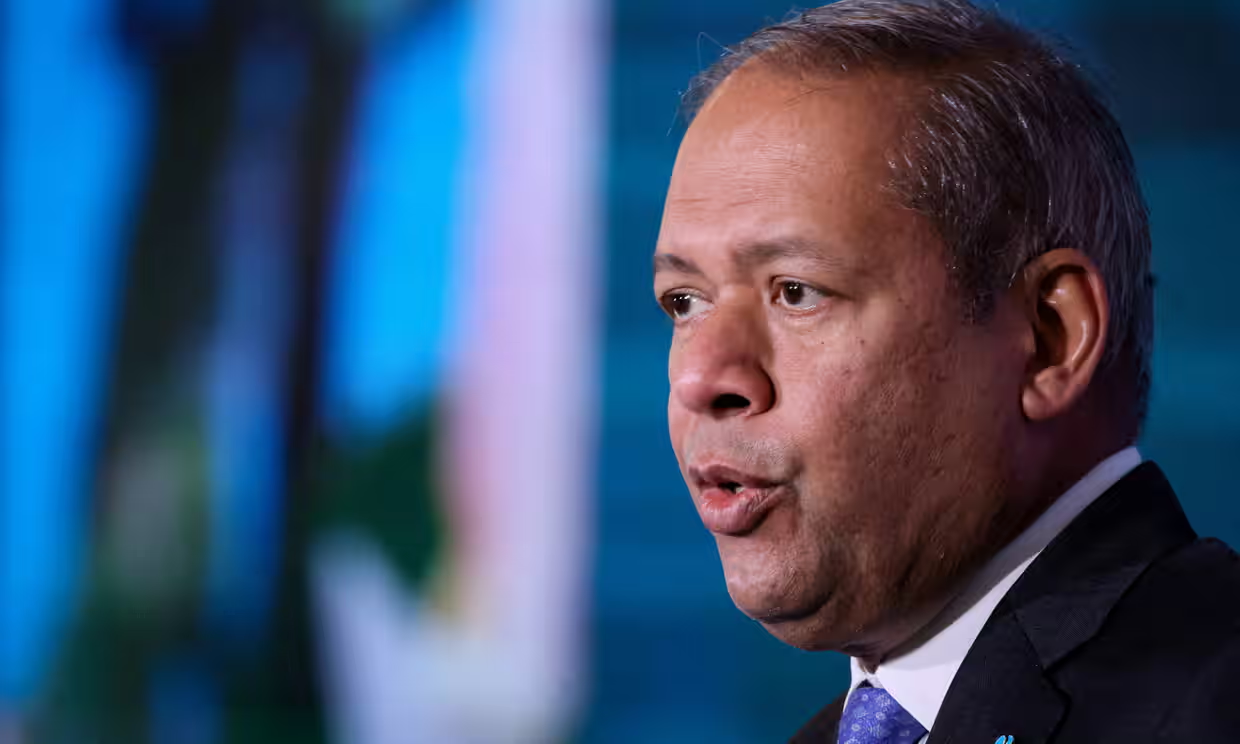

Barclays CEO, CS Venkatakrishnan, might soon find his paycheck growing by a whopping 45%, pushing his potential earnings to over £14 million. This potential raise comes as part of a proposal from the bank’s board, which aims to restructure the way Venkatakrishnan and other top executives are compensated.
But there’s a twist: while his fixed salary is set to decrease significantly, the bank is offering much larger performance-based bonuses. Let’s break down this controversial move and explore how this pay overhaul could impact the bank and its shareholders.
What’s the Deal?
Barclays is reportedly considering a new pay package for Venkatakrishnan, which would reduce his base salary by nearly half—from £2.95 million to £1.59 million. So, why the cut? The bank wants to shift more of the CEO’s pay to performance-related bonuses, which means Venkatakrishnan could earn up to eight times his new reduced salary in annual and long-term incentives.
In total, his pay package could rise from £9.8 million to a massive £14.3 million—a 45% increase. But here’s the catch: this dramatic pay increase is contingent on Barclays achieving a significant jump in profitability, especially in terms of return on tangible equity, which is a key measure of the bank’s financial performance.
Why is Barclays Doing This?
The proposed changes are part of a broader trend where companies aim to align executive pay with performance metrics. Barclays argues that shifting to a performance-based compensation structure will better incentivize their executives to hit ambitious targets, which in turn, could benefit the bank and its shareholders in the long run.
For Venkatakrishnan, this would mean a potentially massive windfall if Barclays meets and exceeds its profitability targets. However, achieving such growth won’t be easy. The new compensation cap is based on surpassing internal profitability goals, meaning it’s not guaranteed.
Impact on Venkatakrishnan’s Pay
If the board goes ahead with the proposed pay structure, Venkatakrishnan’s total compensation package could soar. Here’s a breakdown:
- Current fixed salary: £2.95 million
- Proposed fixed salary: £1.59 million (a reduction of nearly 50%)
- Potential bonuses: Up to £12.7 million in annual and long-term performance bonuses
- New maximum total pay: £14.3 million (a 45% increase from the previous £9.8 million cap)
The shift to a performance-based pay model is designed to reward the CEO for driving the bank’s financial success, but also introduces an element of risk—if Barclays doesn’t hit its targets, Venkatakrishnan’s pay won’t reach these heights.
What Does This Mean for Barclays Shareholders?
The proposed changes aren’t without controversy. Barclays has already sent letters to its largest shareholders outlining the potential new compensation structure, seeking their input. Shareholders may have mixed reactions, as the pay raise is substantial, and some may question whether such high pay packages are justified, especially in times of economic uncertainty.
Shareholders will be looking closely at how achievable these performance targets are, and whether Venkatakrishnan and his team can truly generate the kind of profitability required to trigger the full bonuses. If the bank hits its targets, shareholders could see significant returns, but if it doesn’t, the pay increases may not happen.
Why the Focus on Performance-Based Pay?
In recent years, there’s been growing scrutiny over executive compensation. Many companies have moved away from huge fixed salaries for CEOs in favor of more performance-related pay. This trend is meant to tie an executive’s financial rewards to the success of the company, ensuring that leaders are incentivized to focus on driving growth and profitability.
In Venkatakrishnan’s case, the change reflects an effort to motivate him and the rest of Barclays’ leadership to push harder for higher returns. It also places more of the financial responsibility on the company’s performance, as opposed to guaranteeing a large salary regardless of how the bank performs.
What About the Critics?
While Barclays’ board believes this new pay structure will drive better results, there are those who may view it with skepticism. Critics might argue that the bank is rewarding its executives too generously, especially if the performance targets are overly ambitious or difficult to meet. Additionally, at a time when many are calling for more responsible and ethical corporate practices, high pay packages for top executives might be seen as out of touch with the public sentiment.
However, Barclays has defended the move, emphasizing that performance-based pay ensures that Venkatakrishnan and other top executives are only rewarded when the bank succeeds. The expectation is that this structure will help Barclays better compete in a challenging global banking environment and deliver stronger returns for its shareholders.
The Bigger Picture: How This Affects Other Banks
Barclays is far from the only bank revisiting its executive pay structures. Many financial institutions are rethinking how to compensate top leaders in a way that aligns with their long-term success. If Barclays’ new pay package for Venkatakrishnan is approved, it could set a precedent for other major banks to follow suit.
The rise of performance-based compensation in banking also mirrors trends in other sectors, where companies are focusing on aligning executive pay with performance metrics like revenue growth, stock performance, and customer satisfaction. If successful, Barclays’ experiment could serve as a model for other companies looking to overhaul their own pay structures.
Final Thoughts: Will It Work?
The question remains: will this bold new pay package for CS Venkatakrishnan actually drive the kind of results Barclays expects? It’s clear that the bank is taking a risk, betting that higher bonuses tied to ambitious profitability goals will incentivize its leadership to push the bank to new heights.
If Barclays succeeds in meeting its targets, Venkatakrishnan’s pay will have been a smart move. However, if the bank struggles to meet these goals, the new compensation package could raise eyebrows and fuel further debate over executive pay practices in the banking sector.
For now, the focus will remain on whether Barclays can meet its profitability goals—and whether Venkatakrishnan and his team can deliver the results that justify such a significant pay increase.

