
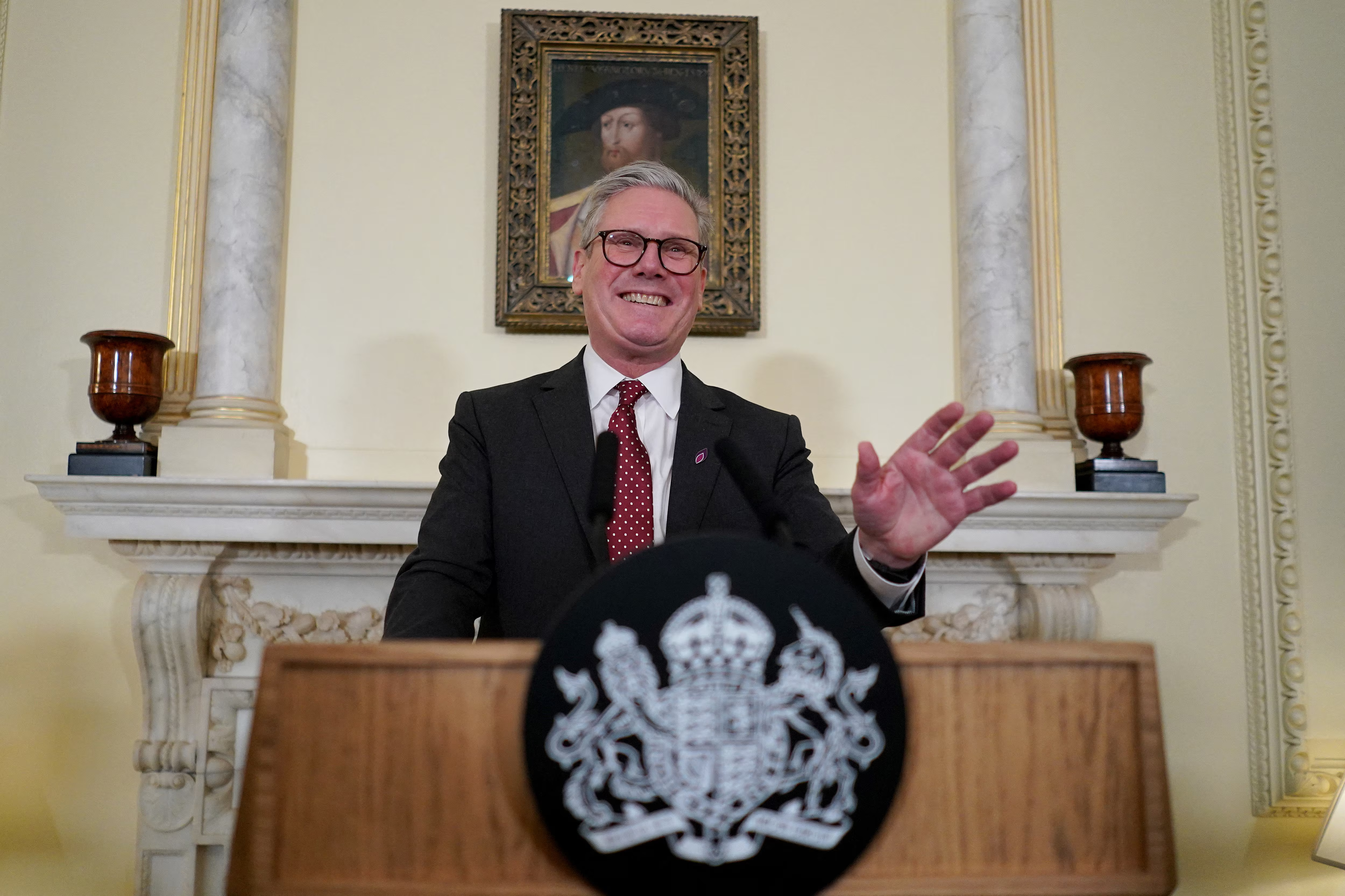

Starmer’s Economic Vision: Rewiring the UK Economy for Growth
In a crucial move to reshape the UK economy, Sir Keir Starmer, the Leader of the UK’s Labour Party, and Rachel Reeves, the Shadow Chancellor, are taking a bold step toward securing economic growth by meeting with top business executives from leading UK companies. The gathering is set to bring together leaders from iconic British businesses like Tesco, BT, Unilever, and Lloyds Bank to discuss the way forward for the country’s economic future.
Starmer and Reeves are set to reassure these business leaders of their unwavering commitment to supporting the private sector as they aim to attract investment to the UK. The event will focus on building a shared vision for growing the economy, creating jobs, and encouraging more investment into key industries that can drive long-term prosperity.
Key Announcements: New Pension Rules for Increased Investment
In addition to discussing broader economic goals, pension rule changes are expected to be announced during the meeting. These changes are aimed at increasing the availability of investment capital for businesses in the UK. This could result in a boost for industries needing long-term financing and investment to grow and innovate.
The focus on pension reforms comes as the Labour Party seeks to make the UK a more attractive environment for both businesses and investors. Sir Keir Starmer highlighted that the country’s economic future depends on making fundamental changes to how investments are handled.
“Rewiring the Economy” – Starmer’s Bold Approach
Speaking ahead of the meeting, Starmer laid out his vision for the future, stating, “To achieve the change our country needs requires nothing short of rewiring the economy.” The Labour leader emphasized the need for creative reform to address the structural challenges facing the UK economy. For Starmer, this means tackling barriers to growth, including outdated public service systems, cumbersome regulations, and pension rules that don’t encourage enough investment.
His remarks make it clear: Starmer is not just aiming for incremental changes but wants a complete overhaul of how the UK economy functions. He believes that only through sweeping reforms can the country compete on the global stage and achieve sustainable, long-term growth.
Reeves on Tackling Barriers to Growth: “Fighting Every Day”
For Rachel Reeves, the Shadow Chancellor, the goal is clear: break down the biggest barriers to growth that have historically held back the economy. Speaking ahead of the meeting, Reeves stated that both the business community and the government need to work in unison to make economic growth the top priority. She added, “I am fighting every day to tear down the biggest barriers to growth, taking on regulators, planning processes and opposition to this urgent mission.”
Reeves is focused on cutting red tape and removing bureaucratic obstacles that slow down the growth of businesses and investments. Her message to businesses is that the Labour Party understands the challenges they face and is committed to removing the hurdles that have prevented many from reaching their full potential.
This “united on growth” approach underscores how Starmer and Reeves want to work in close partnership with businesses to create a positive environment for investment, job creation, and economic expansion.
Why Is This Meeting So Important for the UK?
The meeting between Starmer, Reeves, and top business executives is significant for several reasons:
- Commitment to Private Sector Growth: In recent years, the UK economy has been facing serious challenges, from Brexit uncertainty to slow economic recovery. The Labour Party is signaling its dedication to working with the private sector to drive growth and ensure businesses can thrive.
- Attracting Investment: Attracting more investment has become a major priority for the Labour Party. By making pension funds available for investment, they hope to unlock new opportunities for companies to grow, innovate, and hire more workers.
- Economic Reform Agenda: With the Labour Party now leading discussions on reforming economic policies, this is a clear signal that the party is ready to take decisive action to address structural problems in the economy. The changes Starmer and Reeves are proposing will likely have long-lasting effects on business regulations, investment strategy, and public sector efficiency.
- Pledging to Work with Major UK Companies: By meeting with industry giants like Tesco and Unilever, Starmer and Reeves are signaling their intent to engage with big business in an open and constructive way. The partnership between government and industry is crucial for the success of the reforms they plan to implement.
What Does This Mean for the Future of the UK Economy?
The discussion between Labour and business leaders could mark a turning point for the UK economy. For years, there has been concern about the country’s ability to attract and retain investment, especially after the challenges of Brexit. But with these new reforms and a clearer commitment to growth, Starmer and Reeves are sending a strong signal to both businesses and global investors that the UK is open for business.
If the proposed pension rule changes go through, there could be a significant increase in investment flowing into UK industries. This could help boost productivity, create new jobs, and set the stage for a more resilient economy in the coming years. Moreover, removing regulatory hurdles could make it easier for entrepreneurs and businesses to start new ventures, innovate, and scale.
For the Labour Party, this is also a chance to present itself as a modern, pro-business government, ready to address the economic issues of the day with practical solutions. By focusing on what both business and government can do together, Starmer and Reeves are making a case for a partnership that is essential for long-term prosperity.
Looking Ahead: Will the Plan Deliver?
While the announcements and plans put forward by Starmer and Reeves seem promising, the true test will come in their implementation. Economic reforms are never easy, and navigating the complexities of business regulations and pension changes will be a significant challenge. However, if they can deliver on their promises, this could be the beginning of a new era of growth for the UK.
The Labour Party will need to ensure that its reforms actually make a tangible difference for businesses across the country. If they can create an environment that fosters innovation and investment, the UK’s economy might just have the opportunity to grow in ways that have seemed out of reach in recent years.
Conclusion: A Bold Vision for a Brighter Economic Future
Sir Keir Starmer and Rachel Reeves are committed to reshaping the UK economy, and their meeting with top business executives marks the start of this bold new approach. By focusing on creative reform, removing regulatory barriers, and unlocking investment through pension changes, they hope to stimulate growth and ensure the UK remains competitive on the global stage.
While challenges remain, their unified focus on growth sends a clear message that the Labour Party is serious about turning the UK economy around. Whether or not these reforms succeed will depend on their ability to work closely with businesses and deliver the results the country desperately needs.

