
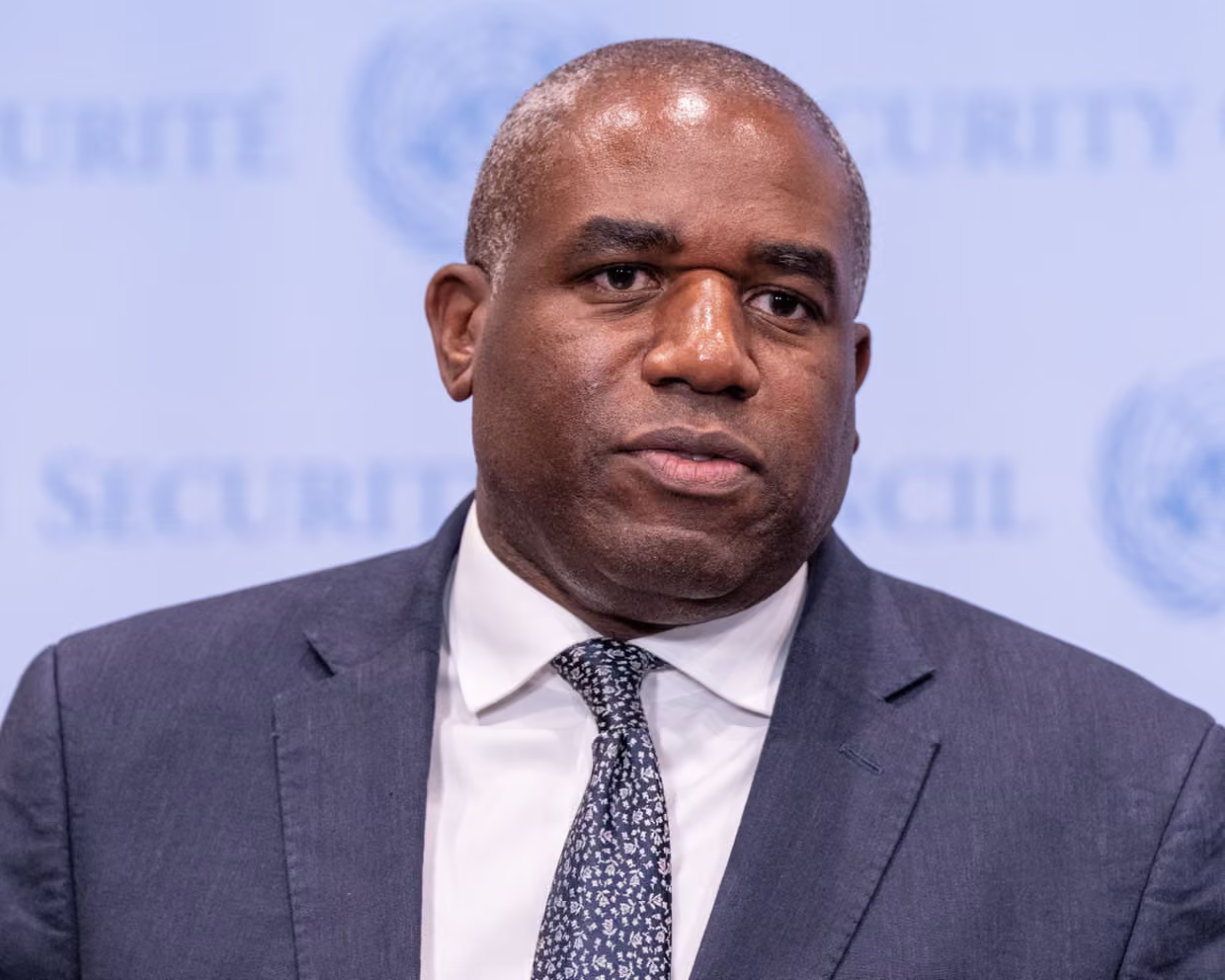
David Lammy Faces Possible Legal Challenge Over Controversial Foreign Office Secondments

Campaigners Raise Concerns Over Shell and BAE Systems Staff Working Inside Government
David Lammy, the UK Foreign Secretary, is under pressure following a legal threat concerning a controversial government scheme that places staff from major corporations like Shell and BAE Systems within the Foreign, Commonwealth and Development Office (FCDO). Critics argue this practice could lead to conflicts of interest and risks of undue corporate influence over government policy.
What is the Secondment Scheme?
The Foreign Office recently introduced a program inviting employees from Shell, the multinational oil and gas company, and BAE Systems, a leading defense contractor, to work temporarily inside the ministry. This secondment is intended to bring industry expertise into government departments, potentially improving collaboration on international trade, energy, and defense matters.
Why Are Campaigners Worried?
Campaigners have voiced serious concerns that embedding corporate staff within government raises the possibility of “improper influence” on policy decisions, threatening government impartiality and public trust. A pre-action legal letter sent to David Lammy warns that this arrangement may breach standards designed to prevent conflicts of interest in public office.
Critics argue that allowing companies with significant commercial stakes to have personnel inside ministries could sway policy in favor of those businesses, undermining fair and transparent governance.
What Could Legal Action Mean?
The pre-action letter serves as a formal warning, signaling that campaigners are prepared to take the government to court if the secondment scheme continues without adequate safeguards. Legal action could compel the government to halt the practice or implement stricter transparency and oversight mechanisms.
David Lammy’s Position
At this stage, the Foreign Secretary has not publicly commented on the legal threat. However, the government has defended the secondment program as a way to leverage industry expertise and strengthen partnerships vital to national interests.
The Bigger Picture: Corporate Influence in Government
This controversy shines a spotlight on the broader debate over corporate influence within government bodies. While collaboration with private companies can offer valuable insights and resources, critics warn that clear boundaries must be maintained to protect democratic processes and prevent conflicts of interest.
A Tense Standoff Over Government Transparency and Corporate Roles
With possible legal action looming, David Lammy and the Foreign Office face increasing scrutiny over secondments involving Shell and BAE Systems staff. The outcome of this dispute may set important precedents about corporate roles in government and the safeguards needed to maintain public trust.