
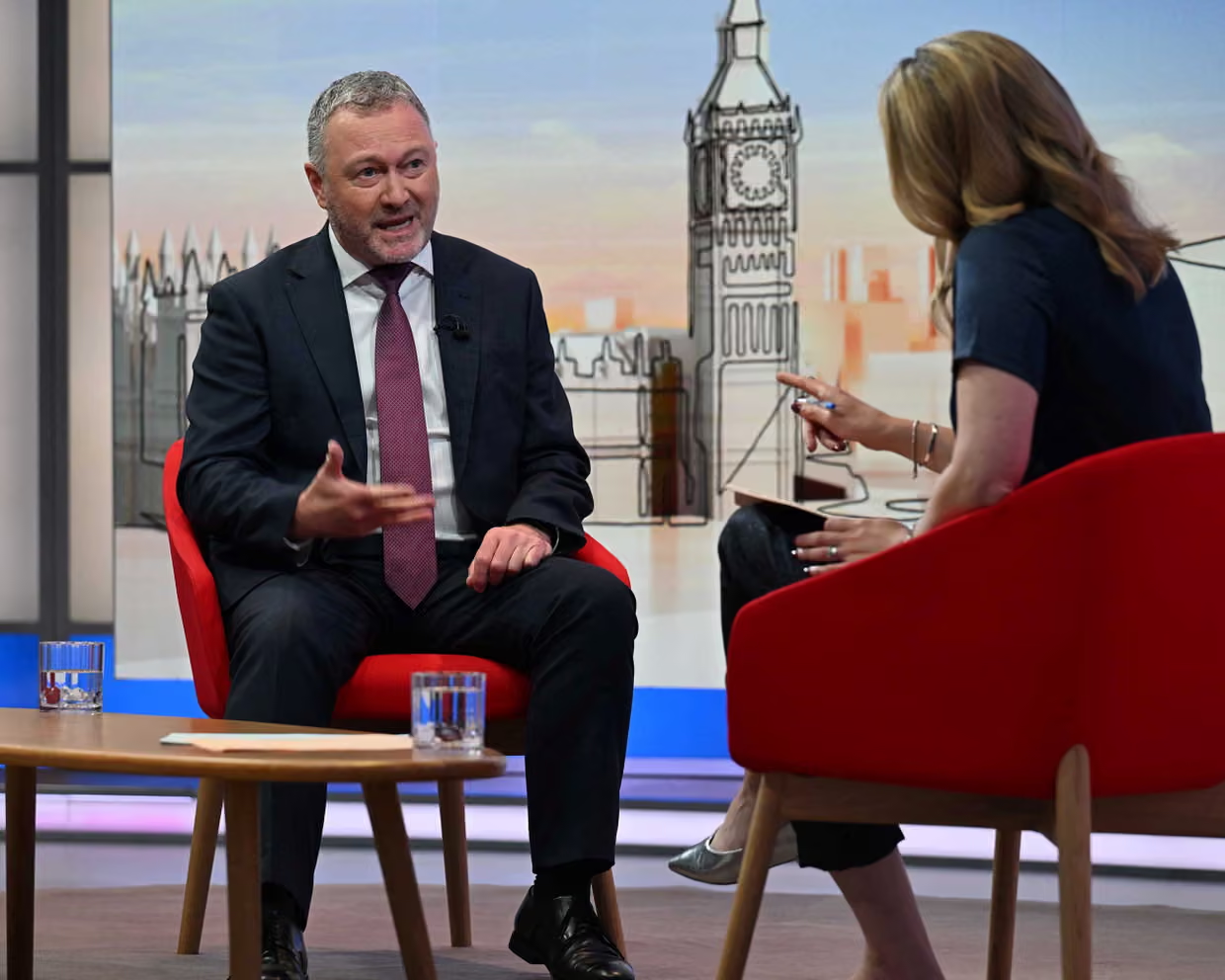
Furious UK Environment Secretary Slams Soaring Water Bills—But Can’t Stop Them Rising Further

UK Environment Secretary Steve Reed ‘Furious’ Over Soaring Water Bills—But Says Further Hikes Still Possible
As households across England and Wales brace for water bills to surge by an average of 36%, Environment Secretary Steve Reed has expressed his “fury” at the rising costs—but admitted he cannot rule out more above-inflation increases in the coming years.
The controversial hikes are set to hit customers hard, with some facing bill increases of more than 50% over the next five years. Water companies argue that even this isn’t enough and are now pushing for even higher charges through the Competition and Markets Authority (CMA).
Despite public outcry and mounting political pressure, Reed told the BBC that any final decisions on future bill increases would lie with independent regulators, not ministers.
“Broken System Needs Fixing”—But At What Cost?
Speaking on BBC’s Sunday with Laura Kuenssberg, Reed acknowledged the anger and financial stress caused by the price hikes, saying he shared the public’s frustration:
“I’m furious about what’s happened to water bills. People are paying more while companies pollute our rivers and coastlines.”
But when pressed on whether he would intervene to prevent further hikes, Reed demurred. Instead, he highlighted his focus on launching “root-and-branch” reforms of the sector to attract billions in new investment and end the cycle of chronic underperformance and price gouging.
“We want to create a system where bills never have to rise like this again.”
Still, that vision remains distant for many households, as Ofwat—the industry regulator—has already approved the current five-year hike, and companies are fighting for even greater increases through the CMA, arguing that they need more money to meet infrastructure targets and environmental standards.
Why Are Water Bills Soaring?
The surge in water charges stems from an ongoing crisis in the UK’s privatised water industry, long criticised for:
- Neglected infrastructure and leakage issues,
- High executive bonuses and dividends,
- And widespread pollution, particularly raw sewage dumping in rivers and seas.
To address these failings, companies have promised to invest in long-overdue upgrades—but they want customers to foot the bill. The proposed investment totals £96 billion between 2025 and 2030, with more than £50 billion earmarked for tackling sewage spills alone.
Six major suppliers—including Thames Water, United Utilities, and Yorkshire Water—say Ofwat’s price allowances won’t cover the full cost and are challenging the decision through the CMA.
Political Heat Rises—But Hands Are Tied
Reed, who only recently took office following the general election, has made cleaning up the water industry a key priority. He has vowed to “restore public trust” by holding companies accountable for pollution and poor performance.
But on the issue of rising bills, his hands are largely tied. The UK’s regulatory system puts Ofwat and the CMA in charge of pricing decisions, meaning that even a furious environment secretary can only do so much.
“Ultimately, these decisions are for the regulators, not for ministers,” he said.
A Public Tipping Point?
The dramatic increase in water bills comes as the public’s patience with water companies reaches a breaking point. In the last year alone:
- Over 400,000 sewage discharges were recorded in UK waterways,
- Several firms came under scrutiny for financial instability and mismanagement,
- And executives earned millions in bonuses despite environmental breaches.
With many families already facing pressure from the cost of living crisis, a 36% bill hike feels like adding insult to injury. Consumer advocacy groups have slammed the government for failing to stand up for ordinary citizens.
“How can you justify these rises when the system is literally leaking money and sewage?” one campaigner said.
Will the Reform Plan Work?
Reed’s “root and branch” reform pledge includes:
- A tougher enforcement regime for polluters,
- New rules to ensure customer money funds investment—not bonuses,
- And increased transparency and accountability in the sector.
He is also expected to work closely with Ofwat and the CMA to tighten regulatory oversight and introduce public interest tests on future spending plans.
But critics warn that reform will take years to yield results—while the price pain is immediate and real.
Industry Defends Its Case
Water companies argue that the investment is critical to fix decades of underfunding and to meet modern environmental expectations.
“We understand these increases are difficult,” said a spokesperson for Water UK, the industry body. “But they are essential to deliver cleaner rivers, reliable supplies, and climate-resilient infrastructure.”
They point to public surveys suggesting some customers support higher bills if it leads to significant environmental improvements. However, trust in the industry remains at historic lows, and many doubt whether promises will be kept.
Looking Ahead: What Happens Next?
The CMA will now review the appeals from the six companies demanding even higher bill allowances. That process could take months, but its outcome will determine whether water bills rise even further than already planned.
Meanwhile, Steve Reed is expected to unveil more details of his reform strategy later this summer. Public support for tougher action is growing, and any failure to deliver could define the early years of his tenure as environment secretary.
While Steve Reed’s anger over rising water bills may be real, his power to stop them is limited. As water companies dig in their heels and regulators face scrutiny, it’s clear the UK’s water crisis is about more than just money—it’s about broken systems, public trust, and environmental justice.
Until reform becomes reality, millions of households will be left wondering: Why are we paying more for a service that still can’t deliver clean water and healthy rivers?