
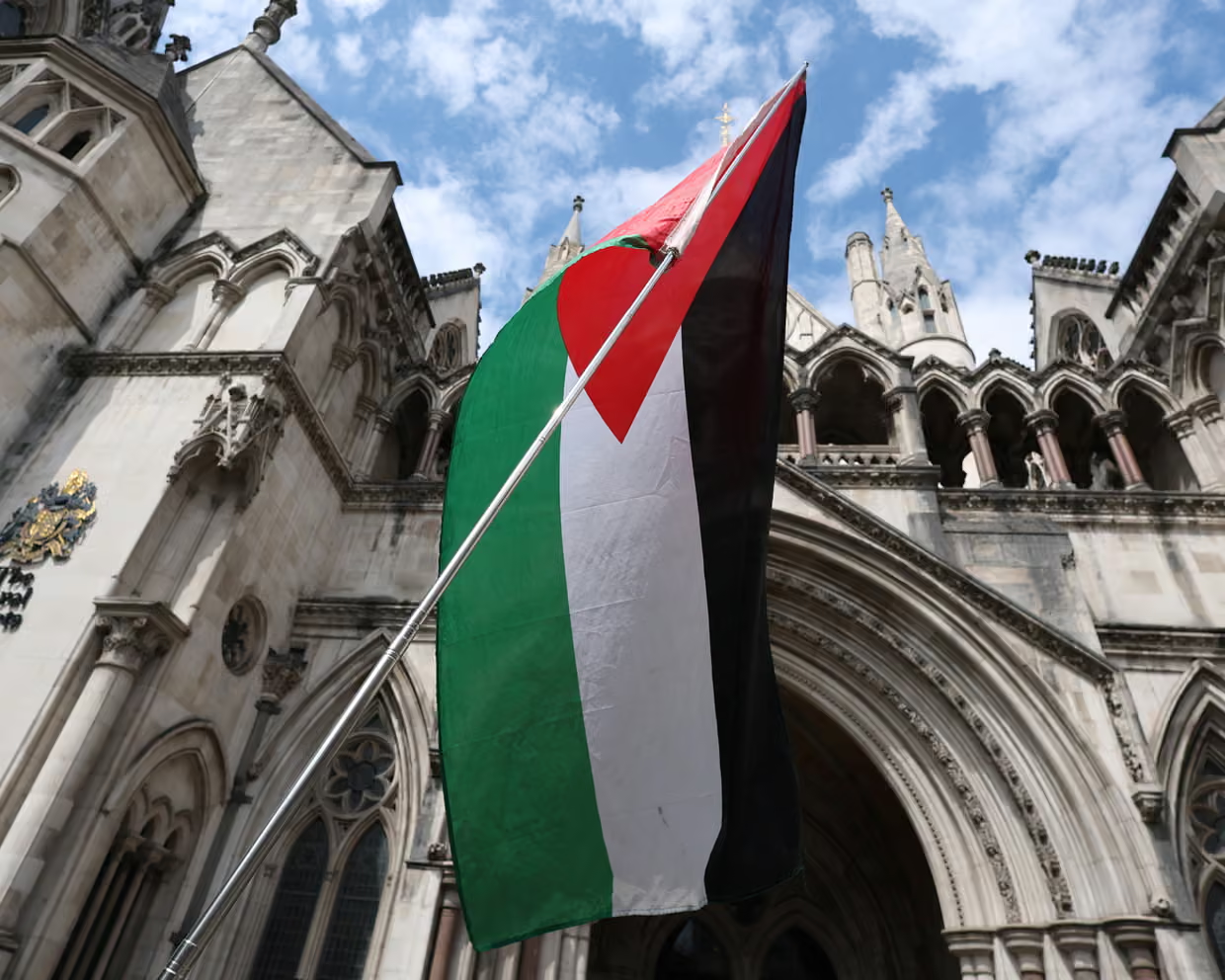
Global Scholars Call on UK to Reverse Palestine Action Ban, Calling It a Threat to Civil Liberties

Over 200 internationally recognized scholars have signed a letter urging the UK government to immediately lift the legal injunction against Palestine Action, a direct-action protest group that targets arms manufacturer Elbit Systems over its ties to Israeli military operations. The letter warns that the legal action against the group amounts to a dangerous attack on fundamental democratic freedoms, including the right to protest and freedom of assembly.
Among the prominent figures supporting the appeal are Naomi Klein, Angela Davis, and Noam Chomsky. These scholars argue that the injunction is an alarming step toward criminalizing legitimate political dissent and undermines the UK’s commitment to civil liberties.
Palestine Action was formed in 2020 and has gained attention for its bold protests against Elbit Systems’ facilities in the UK. Their activities include occupying rooftops, sabotaging factory equipment, and spray-painting buildings with red paint to symbolize blood. The group claims these acts are symbolic and part of a non-violent campaign to end what they describe as the UK’s complicity in Israeli aggression against Palestinians.
In July 2025, a UK High Court issued a broad civil injunction that prohibits individuals from protesting near Elbit’s properties and from organizing or promoting actions against the company online. Violators could face severe penalties, including jail time. The court order has been strongly criticized by human rights organizations, legal experts, and civil society groups.
In their open letter, the scholars call the injunction a clear example of authoritarian overreach. They argue that it places significant restrictions on peaceful political expression and sets a precedent that could be used against other activist groups in the future. They also note that many historic social justice movements, including the civil rights movement and the anti-apartheid struggle, were once labeled disruptive and unlawful by the state.
Angela Davis, one of the letter’s signatories, said the injunction is deeply troubling and undermines the very idea of democracy. Naomi Klein called it a misuse of state power to protect corporate interests at the expense of human rights.
Legal experts supporting the scholars’ letter argue that the injunction may violate the UK’s obligations under the European Convention on Human Rights, particularly the rights to freedom of expression and peaceful assembly. They also highlight that the court’s order applies not just to specific acts of vandalism or trespassing, but to a broad range of protest-related activities, including online advocacy and symbolic demonstrations.
Elbit Systems UK and the UK Home Office have defended the injunction. Elbit has stated that it supports the right to peaceful protest but argues that Palestine Action’s methods have gone beyond acceptable limits and threaten the safety of workers and public order. The Home Office has said that the court decision was necessary to prevent ongoing disruption and ensure that business operations can continue without interference.
Civil liberties organizations in the UK have spoken out against the ruling. Groups such as Amnesty International UK, Liberty, and the Campaign Against Arms Trade have warned that the injunction could be used to justify future crackdowns on protests, particularly those that target powerful institutions or raise uncomfortable political issues.
Green MP Caroline Lucas also criticized the ruling, calling it an alarming erosion of protest rights and urging the government to rethink its approach to civil disobedience.
Legal appeals against the injunction are already underway. Palestine Action’s legal team is arguing that the order violates human rights protections and could lead to further abuse of power. They maintain that the right to protest is a cornerstone of democracy and should not be restricted in this way.
The wider concern among the letter’s signatories is that the UK is moving toward a more repressive model of governance, in which dissent is stifled under the guise of maintaining public order. They argue that this shift threatens not just activists involved in the Palestinian cause, but all groups that seek to challenge powerful interests or question government policy through protest.
The issue has drawn international attention, particularly among academic and legal communities. Many observers believe that the injunction reflects a broader global trend in which states are increasingly using legal tools to suppress dissent and silence activists, especially those involved in climate justice, anti-racism, and anti-war movements.
The letter ends with a call to action for the UK government to revoke the injunction and reaffirm its commitment to the democratic principles that allow for peaceful protest and the expression of political beliefs, even when those beliefs are unpopular or controversial.
The signatories argue that the UK’s credibility on the international stage, particularly in advocating for human rights abroad, is at risk if it continues down a path that limits freedom at home.
As the legal battle continues, the case is likely to become a defining moment in the UK’s approach to civil liberties, protest, and the right to dissent in a democratic society.

