

New Zealand’s Top Envoy Fired After Questioning Trump’s Historical Knowledge
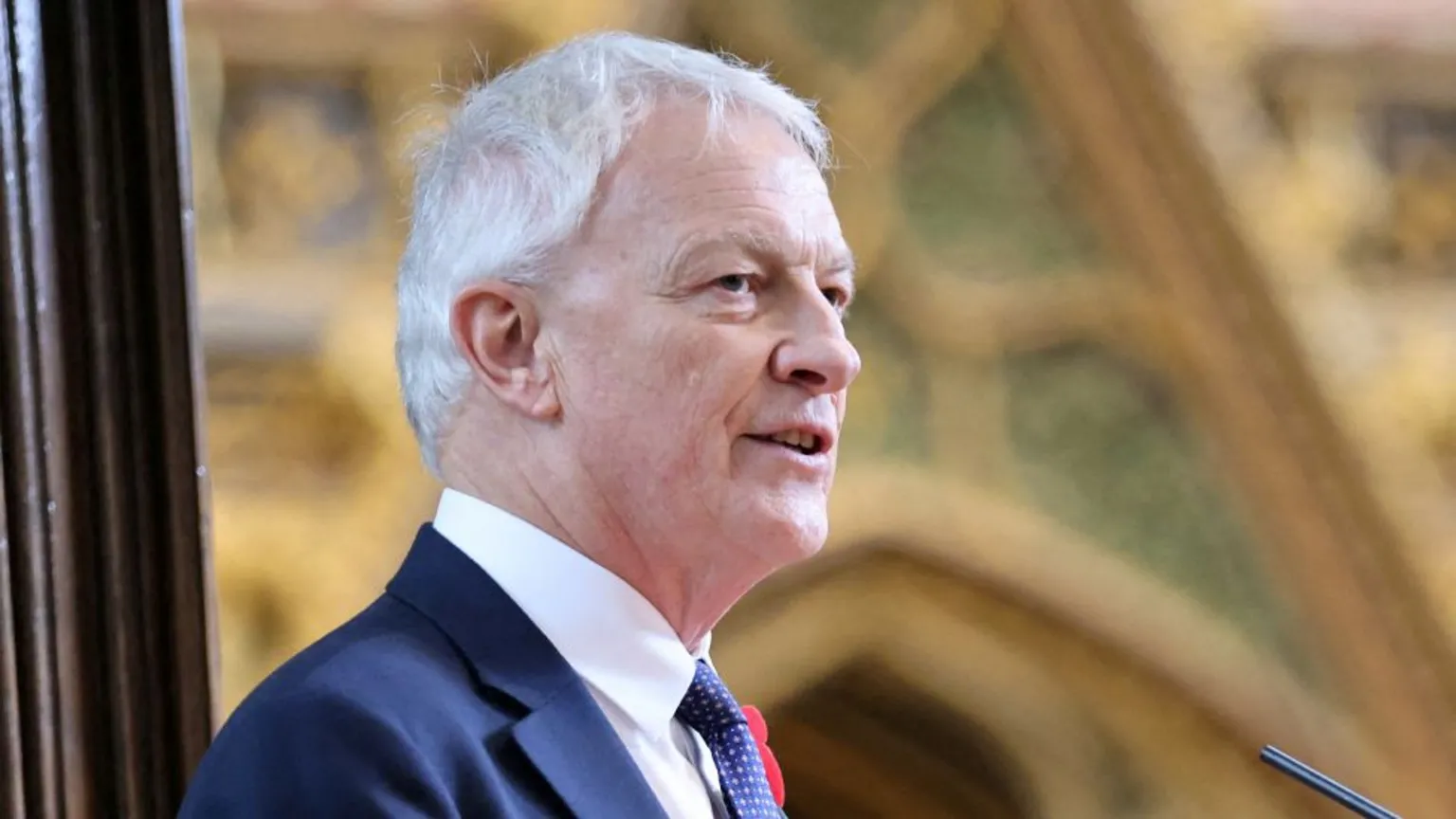
In a dramatic move, New Zealand has fired its most senior diplomat in the United Kingdom, Phil Goff, after he made controversial comments about U.S. President Donald Trump and his understanding of history. Goff, who served as New Zealand’s High Commissioner to the UK, questioned Trump’s grasp of historical events during an event in London, leading to his dismissal by the New Zealand government.
Phil Goff’s Controversial Remarks on Trump’s Understanding of History
At a recent event in London, Goff drew a parallel between the current efforts to end the war between Russia and Ukraine and the infamous 1938 Munich Agreement, which allowed Nazi Germany to annex parts of Czechoslovakia.
In his speech, Goff recalled how Winston Churchill, the British Prime Minister during World War II, strongly criticized the Munich Agreement, calling it a surrender to Nazi Germany. Goff then made a sharp remark about Trump, saying, “President Trump has restored the bust of Churchill to the Oval Office, but do you think he really understands history?”
The comments were directed at Trump’s controversial foreign policy decisions, particularly following a heated exchange with Ukrainian President Volodymyr Zelensky in the Oval Office the previous week, during which Trump had paused military aid to Ukraine.
What Led to Goff’s Dismissal?
Goff’s comments didn’t sit well with the New Zealand government, which swiftly moved to distance itself from his remarks. Winston Peters, New Zealand’s Foreign Minister, labeled Goff’s comments “deeply disappointing” and said they had made Goff’s position as High Commissioner “untenable.”
Peters emphasized that Goff’s personal opinions didn’t reflect the views of the New Zealand government. “When you are in that position, you represent the government and its policies. You’re not there to express personal views,” Peters explained. He added that Goff’s job as a diplomat was to represent New Zealand’s foreign policy, not to freely express his own opinions on world leaders.
A Historical Reference to Winston Churchill’s Opposition to Munich
To understand the controversy, it’s important to look at the historical context Goff was referencing. The Munich Agreement of 1938 was a settlement reached between Adolf Hitler and the leaders of the UK and France, which allowed Nazi Germany to annex parts of Czechoslovakia. At the time, Neville Chamberlain, the British Prime Minister, believed the agreement would prevent further war in Europe.
However, Winston Churchill vehemently opposed the Munich Agreement, seeing it as a betrayal of peace and a surrender to Nazi Germany. In one of his famous quotes, Churchill told Chamberlain, “You had the choice between war and dishonour. You chose dishonour, yet you will have war.” Churchill’s stance positioned him as an outspoken critic of appeasement and a defender of standing up against totalitarianism.
Goff seemed to be drawing a parallel between the Munich Agreement and President Trump’s actions regarding Ukraine. The implication was that, like Chamberlain’s agreement with Hitler, Trump’s actions regarding Ukraine might signal a dangerous appeasement of Russia’s aggression, which Goff was suggesting could be a historical mistake.
Trump’s Controversial Pause on Military Aid to Ukraine
Goff’s comments came amid heightened tensions between the U.S. and Ukraine. Donald Trump had recently announced a pause on military aid to Ukraine, following a tense conversation with President Zelensky. This decision had sparked controversy and concerns about Trump’s commitment to supporting Ukraine in its ongoing conflict with Russia.
Many critics viewed Trump’s move as a potential sign that the U.S. was turning its back on Ukraine at a critical time, undermining Western unity against Russian aggression. Goff’s remarks seemed to reflect these concerns, drawing a comparison to Churchill’s warnings about the dangers of appeasement during the rise of Nazi Germany.
New Zealand’s Diplomatic Dilemma
While Goff’s remarks were undoubtedly pointed, they were not necessarily an isolated incident. Many politicians and global leaders have criticized Trump’s foreign policy decisions, especially regarding Ukraine and his overall approach to Russia. However, Goff’s position as New Zealand’s High Commissioner required him to speak in line with his country’s foreign policy, which tends to be more diplomatic and neutral.
Goff’s decision to express personal views, especially those critical of a sitting U.S. president, put him in a difficult position. As a diplomat, he was expected to represent New Zealand’s official stance rather than make personal comments about world leaders.
How Did the U.S. Respond?
While the United States didn’t officially respond to Goff’s comments, it’s clear that such public criticisms of Trump can create diplomatic tension. The relationship between the U.S. and New Zealand is typically strong, but public criticism of the U.S. President from a senior diplomat is bound to stir controversy, particularly on sensitive issues like international relations and military aid.
The Importance of Diplomacy and Neutrality
Goff’s firing highlights the delicate nature of diplomacy and the importance of maintaining neutrality. Diplomats are expected to carefully navigate international relations, representing their country’s interests and policies while refraining from making personal or politically charged remarks that could damage diplomatic ties.
New Zealand’s government has made it clear that it values the integrity and professionalism of its diplomats, and Goff’s comments were seen as stepping outside these boundaries. By distancing itself from Goff’s remarks, the New Zealand government aims to reaffirm its commitment to diplomatic neutrality, particularly in its dealings with powerful nations like the U.S.
What Does This Mean for New Zealand’s Foreign Policy?
This incident has sparked a broader conversation about the role of diplomacy in international relations and how personal opinions can clash with official foreign policy. As New Zealand moves forward, the country will likely continue to focus on strengthening its international relationships while maintaining a diplomatic tone.
The firing of Goff could serve as a reminder to diplomats worldwide of the importance of aligning with their government’s policies and avoiding public commentary that could jeopardize important alliances.
The Fine Line Between Diplomacy and Personal Opinion
In the world of diplomacy, it’s crucial for officials to remain in line with the policies and views of their home government. While personal opinions may be valid, when you’re representing a country on the global stage, those opinions must take a backseat to the principles of diplomacy and neutrality.
For now, New Zealand’s swift action to distance itself from Goff’s remarks sends a clear message about the country’s commitment to maintaining a diplomatic approach in its international relations, regardless of personal disagreements with global leaders.

