
Reform Party Council’s Ban on Nottingham Post Called “A Massive Attack on Local Democracy”

A local political storm is unfolding in Nottinghamshire after the Reform UK-led county council banned all engagement with a major regional newspaper, in a move being described as an unprecedented threat to press freedom and democratic accountability.
The leadership of Nottinghamshire County Council, under the Reform party, announced that councillors will no longer deal with the Nottingham Post, its digital platform Nottinghamshire Live, or a team of BBC-funded local democracy reporters affiliated with the outlet.
The decision, made just four months into the new administration’s term, has drawn sharp criticism from journalists, political figures, and media watchdogs.
Fallout Over Coverage Sparks Media Boycott
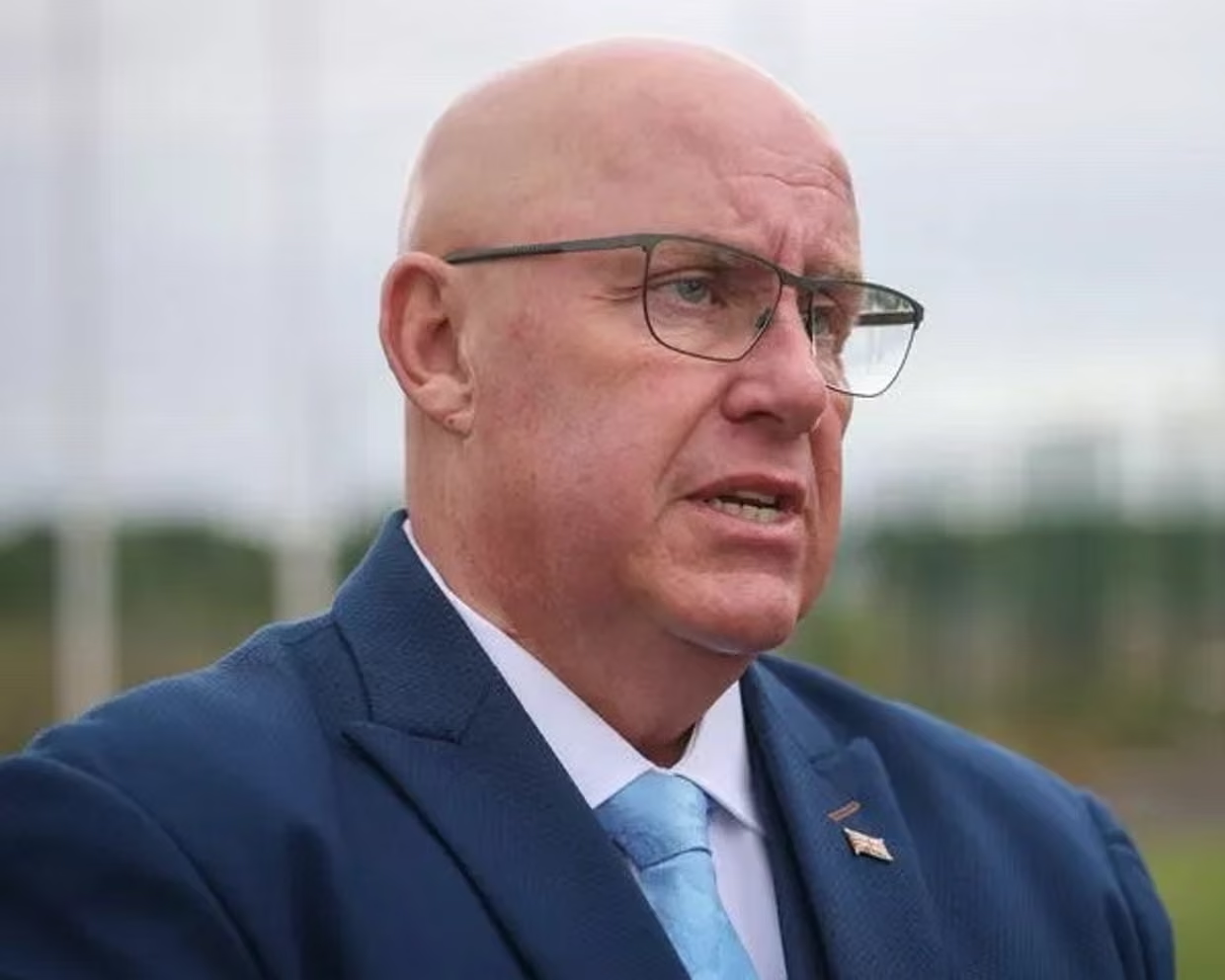
According to Natalie Fahy, editor of the Nottingham Post and Nottinghamshire Live, the ban followed the newspaper’s reporting on a proposed local government restructuring. The story reportedly angered council leader Mick Barton, who is believed to have initiated the media blackout.
Fahy warned that the decision marks a dangerous precedent for how political parties, especially Reform, could treat the media if given broader power at the national level.
She described the move as not just an attempt to avoid scrutiny but a direct attack on the principles of open government.
MPs and Journalists Condemn the Ban
Local MPs, including some affiliated with the Reform Party, have voiced concern. Critics say the ban contradicts Reform’s frequent claims to stand for free speech, transparency, and public accountability.
One of the party’s most prominent figures, MP Lee Anderson, who represents Ashfield in Nottinghamshire, has said he will join the council in boycotting the Post, escalating the controversy.
Opposition politicians have called on Nigel Farage, Reform’s national leader, to step in and reverse the council’s decision, arguing that press freedom should never be compromised by political discomfort.
Questions Raised About Reform’s National Approach
While the council insists the decision was made in response to what it views as unfair or inaccurate coverage, critics argue that cutting off access to journalists undermines democratic norms. Journalists covering council meetings, decisions, and public services play a key role in informing local residents about how their communities are governed.
The ban also affects a group of local democracy reporters who are part of a publicly funded scheme backed by the BBC, intended to improve civic coverage across the UK. Shutting them out raises additional concerns about government accountability at a time when public trust in institutions is already strained.
Editor Issues Warning on the Future of Local Democracy
Fahy described the situation as deeply worrying. She noted that in all her years of running the newsroom, she has never experienced anything like this level of hostility from a council administration.
She warned that if this kind of stance becomes normalized, it could reshape the relationship between media and government across the country — with serious consequences for transparency and the public’s right to know.
Despite the ban, she said the Post will continue to report on the council and hold elected officials to account, whether or not they cooperate.
A Sign of Things to Come?
The situation in Nottinghamshire is being closely watched across the UK, not just by journalists, but also by political observers and free speech advocates.
As the Reform Party gains traction nationally, this local dispute is being seen as a test case for how the party may treat independent scrutiny if it gains further power.
With a general election on the horizon and debates about media trust and misinformation at the forefront of public discourse, the outcome of this row could have implications far beyond county lines.

