
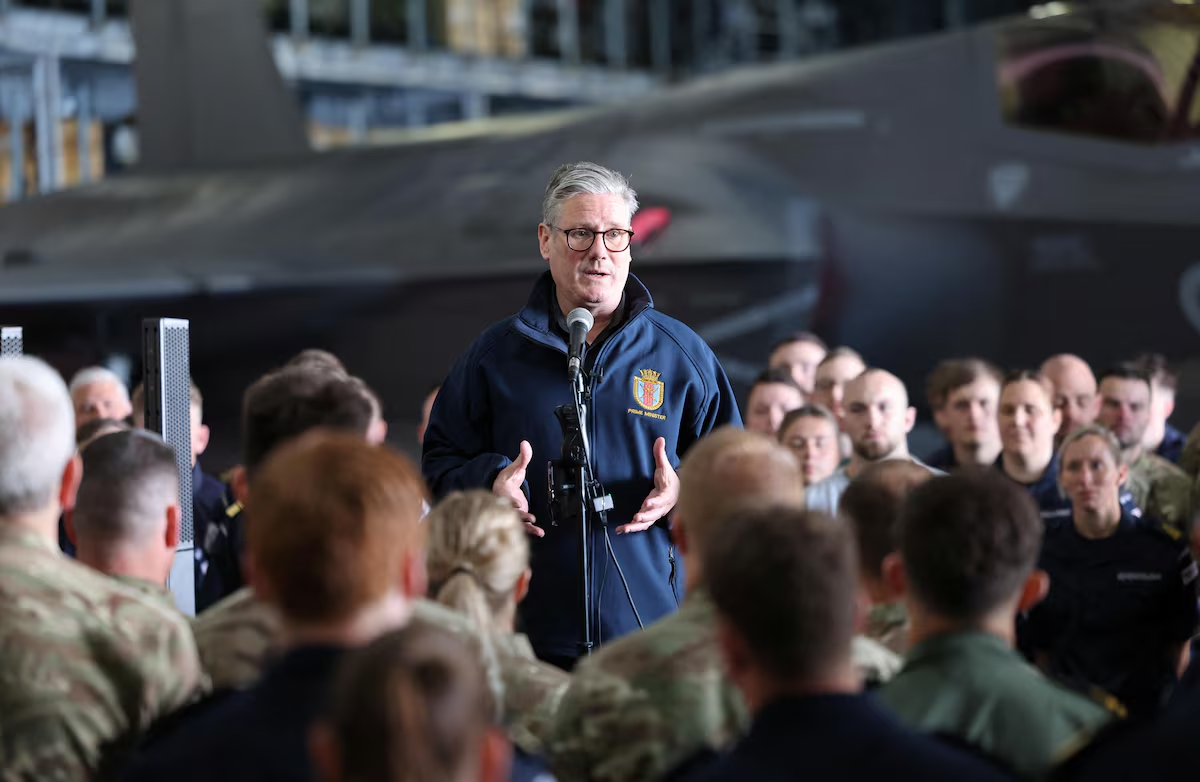
Starmer Strikes Back: UK Moves Closer to EU Defence Deal as Trump Looms Over Global Trade

UK and EU May Be Friends Again—Thanks to Defence
In a surprising but strategic twist, the UK is inching toward a new defence agreement with the European Union. After years of post-Brexit tension, Prime Minister Keir Starmer is looking to reset the relationship—and he’s starting with something both sides take seriously: security.
Behind the scenes, officials in both London and Brussels are quietly laying the groundwork for a pact that could mark a turning point in UK-EU relations.
Why Is This Happening Now?
This fresh push comes at a tense moment on the world stage. Former U.S. President Donald Trump is once again shaking up the global conversation around trade and defence alliances—raising concerns across Europe about what a second Trump term could mean.
That uncertainty has put pressure on European leaders to tighten regional ties. And for the UK, which has one of the strongest militaries in Europe, there’s real opportunity to take the lead.
Starmer’s Strategy: Fix Brexit Fallout with Defence First
When Keir Starmer’s Labour Party swept into power last year, they promised a new approach to diplomacy. Instead of jumping straight into heated trade negotiations with the EU, they took a smarter route: focus on defence and security, where there’s already a strong foundation.
This strategy is designed to:
- Build trust with European partners
- Avoid the political minefield of trade too early
- Show the UK still plays a crucial role in Europe’s safety
By starting with shared threats and common ground, Starmer’s team hopes to create momentum for broader cooperation in the future.
What Would the New Defence Pact Look Like?
While details are still being discussed, a potential defence deal could include:
- Closer military coordination between the UK and EU
- Joint operations or planning in key global regions
- Improved intelligence sharing and cyber defence collaboration
- A seat at the table for the UK in EU-led security discussions
This wouldn’t be a formal re-entry into the EU’s defence framework, but more like a flexible, strategic partnership—tailored to modern threats like cyber warfare, terrorism, and regional instability.
Trump Factor: Why Europe Wants UK Closer Now
Trump’s unpredictable approach to NATO and international alliances has spooked a lot of U.S. allies. During his presidency, he repeatedly criticized European countries for not spending enough on defence, and even threatened to reduce U.S. military support.
With Trump now back in the political spotlight, European leaders are taking no chances. They’re looking to strengthen defence ties within the continent—and the UK, with its powerful military and intelligence capabilities, is a vital piece of that puzzle.
What About Trade Talks?
Make no mistake: the UK still wants better trade terms with the EU. But officials in Starmer’s government know those talks will be complicated and politically sensitive.
By proving that Britain is a reliable security partner first, they hope to:
- Create goodwill in Brussels
- Show stability and seriousness in leadership
- Lay the groundwork for future trade discussions
Think of this defence pact as the first chapter in a longer story—one that could eventually lead to deeper economic cooperation.
What This Means for the UK Public
This shift could have real-world benefits for the UK, including:
- Better security against cyberattacks, terrorism, and border threats
- A stronger position in global defence strategy
- Potential boosts in defence-related industries and jobs
It also helps rebuild Britain’s reputation on the world stage, after years of tension and isolation post-Brexit.
Final Thoughts: A Quiet but Major Reset
Keir Starmer’s move toward a UK-EU defence pact may not make as many headlines as trade disputes or Brexit debates—but it could turn out to be one of the most important diplomatic plays in recent memory.
In a world where global alliances are shifting fast, and old partners can no longer be taken for granted, this strategic pivot could put the UK back where it wants to be: at the heart of Europe’s future, even from the outside.

