
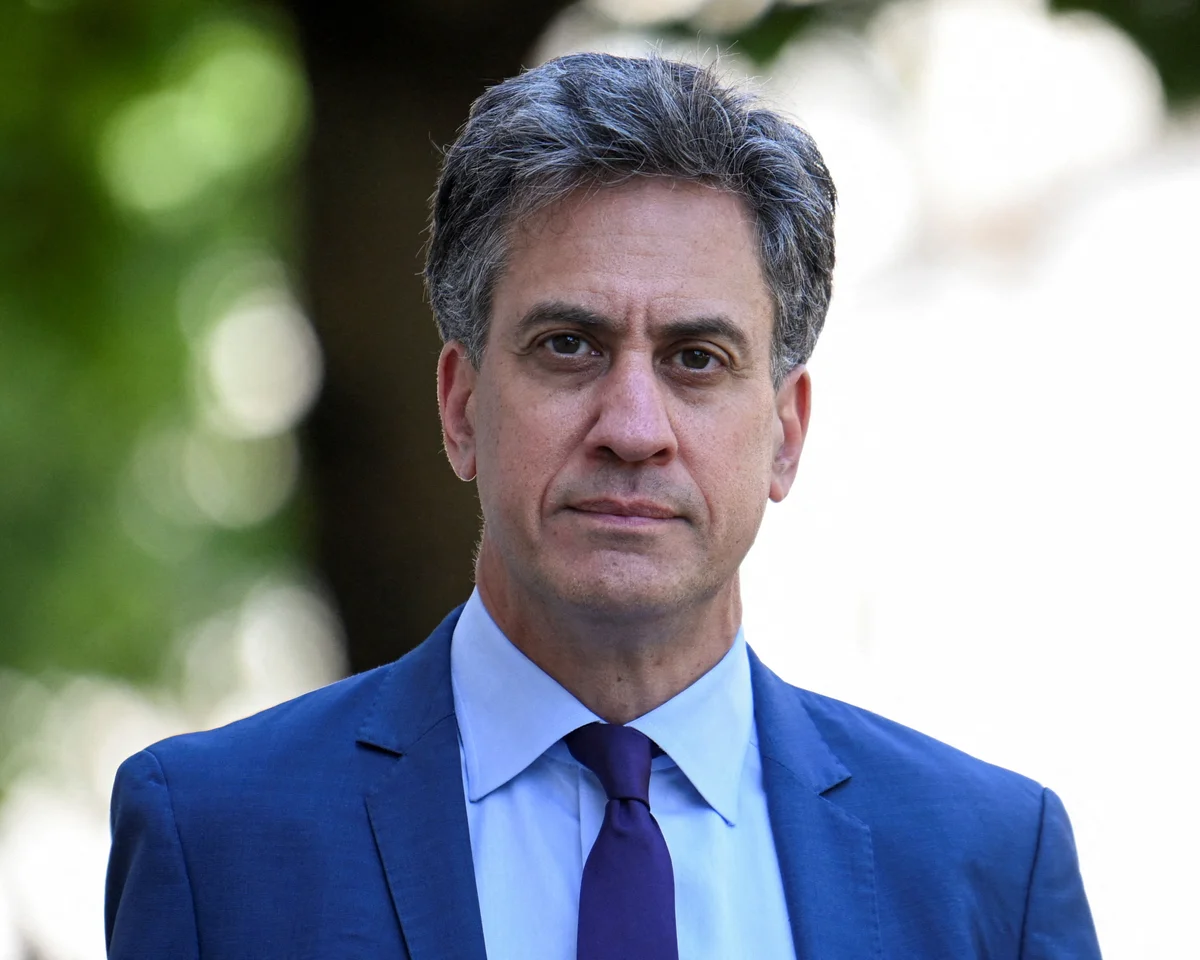
Tories’ Energy Policy Under Fire: Ed Miliband Labels It ‘Anti-Science, Anti-Jobs, Anti-Future’ Amid Growing Climate Concerns

In a fiery annual statement to Parliament on the state of the climate, Energy Secretary Ed Miliband launched a scathing critique of the Conservative government’s approach to energy policy, accusing them of being “anti-science, anti-jobs, anti-energy security, and anti-future generations.” His remarks underscored the escalating tension in UK politics around climate change and energy strategy, as the country grapples with its net zero ambitions amid economic uncertainties.
A Stark Warning on Climate Leadership
Miliband’s statement, delivered during what he described as the first annual climate report to Parliament, called out the Tory government for a lack of coherent and ambitious policies necessary to meet the UK’s climate targets. He highlighted the increasing dissonance between the government’s rhetoric and its actions, arguing that the current trajectory threatens not only the environment but also the economic stability and job creation potential tied to green industries.
“The Conservative government’s policies betray a disregard for science and for the future of our economy and our children,” Miliband said. He emphasized that failure to embrace renewable energy, invest in sustainable infrastructure, and support the transition away from fossil fuels could leave the UK lagging behind other nations in the global green economy race.
Political Crossfire Over Net Zero
The debate over net zero policies has intensified, with Miliband questioning whether the opposition even has a clear plan for achieving these goals. His comments came amid ongoing political posturing, with Conservative ministers defending their record and accusing Labour of lacking a credible and detailed net zero strategy.
Energy security was a key theme in Miliband’s remarks, with the Secretary warning that short-sighted policies risk leaving the UK vulnerable to energy supply shocks. He argued that investing in renewables and sustainable technologies is not just about environmental responsibility but also about ensuring a stable, affordable energy supply for households and businesses.
Health Secretary Wes Streeting on BMA Strike Tensions
Meanwhile, across the political spectrum, Health Secretary Wes Streeting added fuel to the fire by condemning the British Medical Association (BMA) for its strike tactics. Streeting labeled the BMA’s advice to doctors to withhold strike intentions from employers as “shockingly irresponsible,” intensifying the public debate over the NHS crisis and industrial action.
Streeting’s criticism came ahead of looming strikes by resident doctors, a move that has triggered widespread concern about the future of healthcare services in the UK. His comments highlighted the government’s frustration with unions, as ministers try to balance public sector pay demands with fiscal constraints.
Post Office Ownership Under Review After IT Scandal
Adding another dimension to the day’s political drama, ministers are reportedly considering transferring ownership of the Post Office to its operators following the fallout from the Horizon IT scandal. The controversy, which has led to wrongful prosecutions of hundreds of postmasters, has severely damaged public trust in the institution.
This potential shakeup in ownership reflects the government’s attempt to rebuild confidence and improve accountability within public services, though details of the plan remain under discussion.
Economic Ripples: Pound Hits Three-Week Low
The political and economic uncertainties were further reflected in the financial markets, as the pound fell to a three-week low. The drop followed comments from the Governor of the Bank of England, who indicated the possibility of larger interest rate cuts should the job market slow more than anticipated.
The currency’s decline adds pressure on policymakers, who must navigate the delicate balance between supporting economic growth and tackling inflation. It also underscores the interconnectedness of political decisions, economic forecasts, and market reactions in an era of global volatility.
What Lies Ahead?
The day’s events paint a picture of a government under intense scrutiny from multiple angles — climate policy, healthcare, public trust, and economic stability. Ed Miliband’s fierce criticism highlights the growing impatience with the Conservative government’s approach to one of the most urgent challenges of our time: climate change.
As the UK moves towards the next general election cycle, these issues will undoubtedly dominate political discourse. Whether the government can pivot to a more proactive and science-driven energy policy remains to be seen, but the stakes could not be higher for the environment, the economy, and the public’s trust in political leadership.
The unfolding debates and policy decisions over the coming months will be critical in shaping the country’s trajectory toward a sustainable, secure, and prosperous future.

