
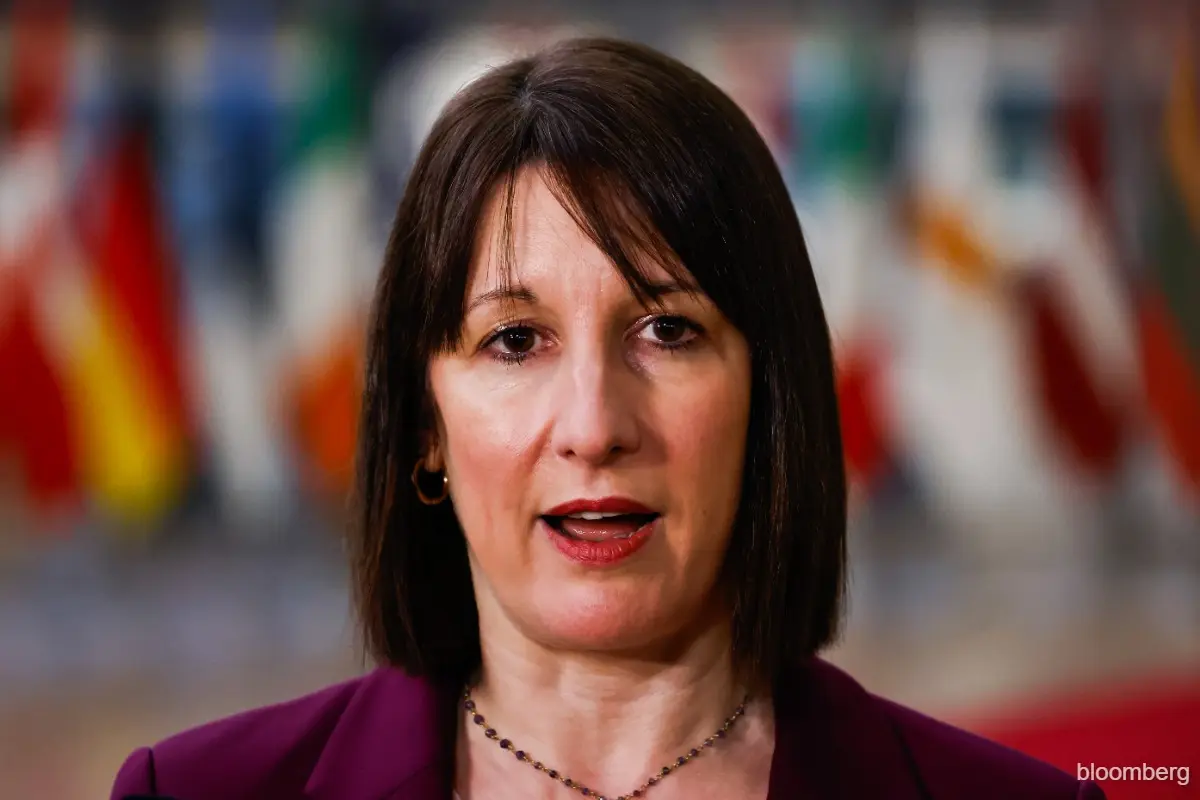
UK’s Chancellor Rachel Reeves to Meet China’s Vice Premier in Beijing: A Step Toward Strengthening Economic Ties

In a bold move to rejuvenate UK-China relations, UK Chancellor of the Exchequer, Rachel Reeves, is set to visit China in early January 2025. The visit marks a significant attempt to revive high-level economic discussions and foster stronger ties between the world’s fifth-largest and second-largest economies.
Reeves is scheduled to meet China’s Vice Premier, He Lifeng, in Beijing on January 11, followed by a visit to Shanghai the next day to meet with British companies operating in China. This trip signals a shift in the UK’s economic strategy under the Labour government, as they seek to balance their diplomatic and economic goals in a changing global landscape.
Why Is Rachel Reeves Visiting China?
1. Strengthening Economic Ties Post-Pandemic
The UK and China have long-standing trade and investment relationships. However, diplomatic tensions and economic uncertainties have caused a slowdown in official engagements, especially after China’s national security law on Hong Kong in 2020. Reeves’ trip is an effort to re-establish these high-level talks, which have been on pause for several years.
A key part of the discussions will likely center around the Joint Economic and Trade Commission (JETCO), a platform originally set up in 1996 to enhance trade and investment between the two nations. However, with most formal talks suspended since 2020, the reopening of JETCO could become a pivotal topic. These discussions are crucial for boosting trade flows between the UK and China, two economic powerhouses that could benefit from closer ties.
2. Building Bridges Between the UK and China
In addition to discussions around trade and investment, the trip will highlight potential areas of cooperation in financial services and clean energy, which the UK government views as key sectors for future economic growth. Financial services, including the international expansion of London’s financial market, have always been a cornerstone of UK-China relations. Clean energy initiatives, particularly those involving green technology and carbon reduction, are also seen as strategic areas for collaboration.
3. Business and Diplomacy: A Balanced Approach
Reeves’ visit will not only involve political talks but also include a business delegation featuring leading UK firms like HSBC and Standard Chartered. These meetings aim to foster closer economic ties between Chinese markets and British businesses. It’s clear that the Labour government is keen to bolster UK business interests in China, especially as the global economy faces challenges like inflation and supply chain disruptions.
Labour’s Dilemma: Balancing China Relations with US Ties
1. The Labour Party’s Push for Economic Growth
Under Labour’s leadership, the UK is determined to boost economic growth, particularly after years of economic stagnation following Brexit and the COVID-19 pandemic. Reeves’ outreach to China represents part of the Labour Party’s strategy to explore new trade opportunities that can help drive economic recovery.
However, strengthening relations with China is not without its complications. The Labour Party faces internal debate about how far to go in fostering closer ties with China, especially given the growing tensions between China and the United States. Labour is aware that aligning too closely with China could complicate relationships with US President-elect Donald Trump and his administration, which is expected to take a harder stance on China’s trade policies.
2. Trump’s Hardline on China: A Challenge for Labour
The upcoming Trump administration has made it clear that it will impose tariffs of up to 60% on Chinese imports. This aggressive trade stance is likely to affect how Western allies, including the UK, interact with China. In such a scenario, the UK must carefully navigate its foreign policy to ensure it does not alienate the United States while seeking economic cooperation with China.
This balancing act becomes even more delicate considering recent spy scandals, such as the one involving businessman Yang Tengbo, who was banned from the UK after connections to Prince Andrew. These events have added an element of mistrust towards China in UK politics, making it harder for the government to pursue closer ties.
What to Expect from Rachel Reeves’ Visit?
1. Strengthening Economic Cooperation
The January 2025 visit is expected to be a milestone in improving economic cooperation. Reeves is expected to meet with key Chinese policymakers and discuss how the two countries can work together in areas such as technology, financial services, and clean energy. Given China’s massive role in global supply chains, a stronger UK-China relationship could benefit both economies in the long term.
2. A Focus on Trade and Investment
Trade between the UK and China has been a major source of revenue for both nations. As part of her trip, Reeves will meet with British companies operating in Shanghai, a key commercial hub in China, to discuss how UK businesses can expand their operations in China. This aspect of the trip is likely to focus on improving trade access and facilitating more business partnerships between the two nations.
3. Potential for Reopening the Joint Economic and Trade Commission (JETCO)
The Joint Economic and Trade Commission (JETCO), which was created in 1996, could see a revival as part of these talks. The commission was an important platform for fostering trade and investment, but discussions were suspended in 2020 due to diplomatic tensions. If reopened, JETCO could become a key vehicle for future collaboration and help reduce the trade barriers that have been an issue for UK companies seeking to enter Chinese markets.
How Will This Visit Impact the UK’s Future Economic Strategy?
1. Boosting the UK’s Economic Recovery
A stronger economic relationship with China could provide the UK with vital trade opportunities as it seeks to recover from the economic impact of Brexit and the pandemic. By focusing on areas like green technology and financial services, the UK could position itself as a key player in China’s growing clean energy market.
2. Reaffirming Labour’s Global Outlook
This visit also demonstrates that Labour’s foreign policy is actively engaging with global powers, including China, as part of its broader agenda to make the UK a leading global economy. The Labour Party’s economic recovery plan hinges on attracting international investment and fostering business partnerships, and China’s markets represent a critical opportunity for achieving this goal.
3. Navigating Geopolitical Tensions
Despite the potential economic benefits, Labour must also navigate the complex geopolitics between the US and China. It will be important for the UK government to balance its economic interests with maintaining strong transatlantic relations, especially as the US remains a key trading partner for the UK.
Conclusion: A Turning Point in UK-China Relations?
Rachel Reeves’ visit to China in January 2025 marks a significant moment in UK foreign and economic policy. The trip signals Labour’s intention to reset and strengthen UK-China relations, focusing on economic growth, trade, and investment. However, this ambition must be balanced against the geopolitical challenges posed by the ongoing tensions between China and the United States. With the Labour government’s focus on economic recovery, Reeves’ trip could pave the way for a new chapter in the UK’s relationship with China, provided the government navigates the complexities of global trade politics.

