
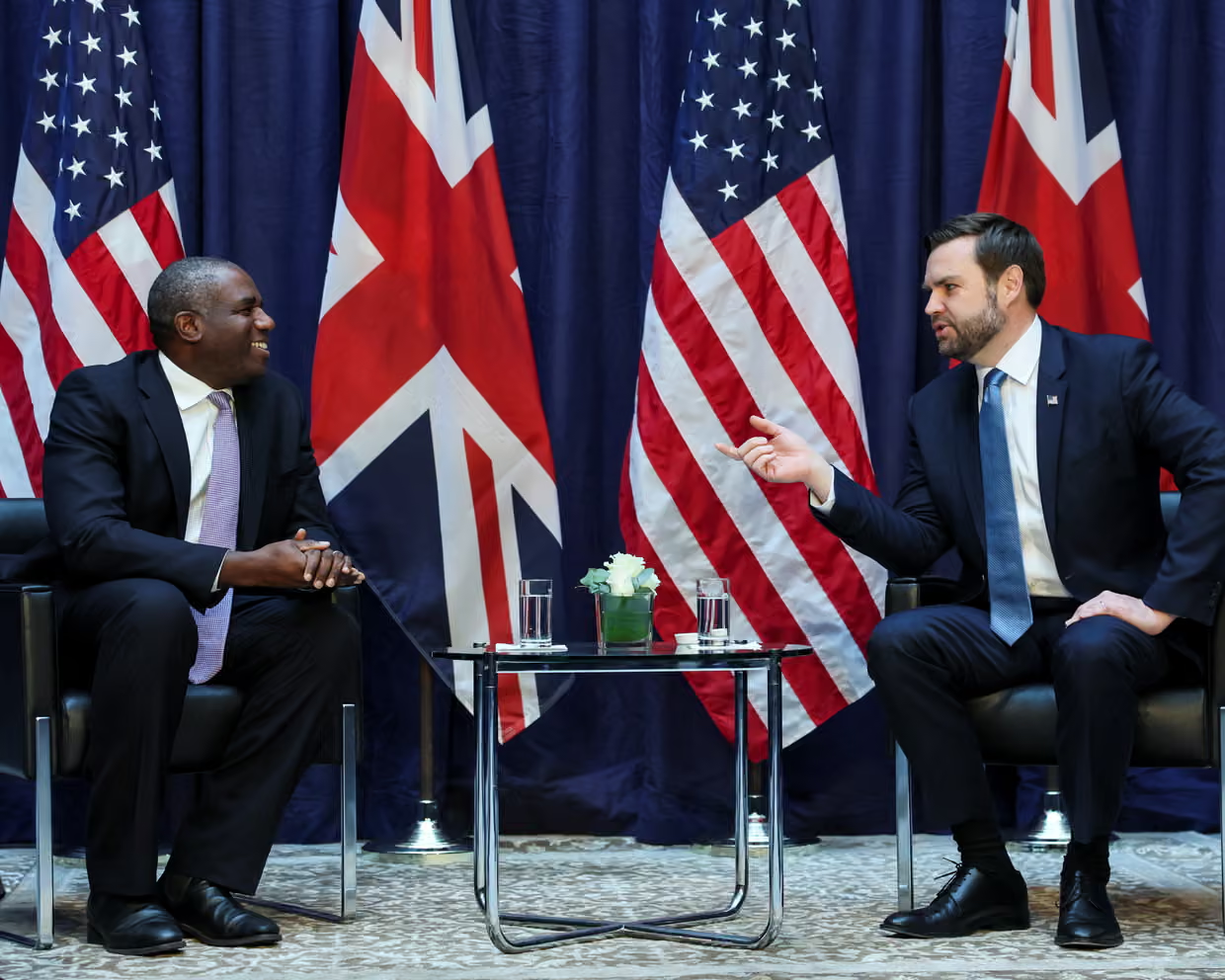
Vance Arrives in UK Amid Rising Tensions Over Israel’s Gaza Plans, Starmer Denounces Occupation

US Vice-President JD Vance arrived in the United Kingdom for high-profile meetings, including a scheduled discussion with Labour MP and shadow foreign secretary David Lammy. The visit comes at a critical juncture, with escalating tensions in the Middle East following Israel’s controversial decision to take control of Gaza City. The issue is expected to dominate conversations during Vance’s visit, as international pressure mounts over the ongoing conflict.
Vance was welcomed to Chevening, the official grace-and-favour residence of the UK Foreign Secretary, underscoring the diplomatic importance of his visit. Both sides are anticipated to discuss a range of topics, but the recent developments in Gaza will likely take precedence. The situation has already drawn sharp criticism from UK political figures, sparking a broader debate about the government’s role and responsibility in the conflict.
Starmer Condemns Israel’s Plan to Take Control of Gaza City
Keir Starmer, the leader of the Labour Party, publicly condemned Israel’s plan to assume control over Gaza City, describing it as a dangerous escalation that risks worsening the humanitarian crisis. Starmer emphasized that any occupation or military expansion into Gaza could have devastating consequences for civilians living under already dire conditions.
He criticized the UK government for what he described as a tepid response, urging stronger action and a clearer stance against the expansion of Israeli control. “We cannot turn a blind eye to the suffering of Palestinians in Gaza,” Starmer said. “The UK must take a firm and principled stand against policies that threaten to deepen the crisis.”
Starmer’s statement comes amid growing calls from opposition politicians, activists, and human rights groups demanding that the UK halt arms sales to Israel, arguing that continued support facilitates the occupation and undermines efforts toward peace.
Jeremy Corbyn’s Accusation of UK Complicity in Genocide
Adding to the political heat, Jeremy Corbyn, the independent MP and former Labour leader, accused the UK government of being complicit in genocide due to its ongoing military support for Israel. Corbyn reiterated his long-standing position that the UK’s arms supplies effectively enable the Israeli government to carry out what he characterized as systematic violence against Palestinians in Gaza.
“If the government was truly horrified by Israel’s occupation of Gaza, it would stop supplying them with the weapons they need to carry it out,” Corbyn said in a recent statement. “The prime minister can condemn Israel’s plans all he wants. He cannot hide the truth: his government is complicit in genocide.”
Corbyn’s comments have ignited further debate within British politics, with supporters praising his bold stance and critics accusing him of inflammatory rhetoric that complicates diplomatic efforts. Nevertheless, his words reflect a broader sentiment among many in the UK who question the morality and legality of arms deals that could be used in conflict zones.
Diplomatic Challenges and International Implications
The timing of Vance’s UK visit highlights the complexity of international diplomacy at a time when tensions in the Middle East are reaching new heights. Both the US and UK have historically been close allies of Israel, yet they face increasing pressure to address the humanitarian concerns in Gaza and reconsider their roles in facilitating the ongoing conflict.
Vance’s discussions with Lammy and other British officials will likely navigate these sensitive issues, balancing commitments to security alliances with calls for human rights protections and conflict resolution.
The UK government is caught between supporting its transatlantic partnership with the US and Israel while managing domestic and international criticism over its approach to the Gaza crisis. The visit underscores the challenge of maintaining diplomatic relations without alienating key constituencies concerned about human rights and international law.
Looking Ahead
As the situation in Gaza evolves, the UK’s political landscape is expected to see continued debate over its foreign policy and arms export controls. The visit by the US Vice-President signals that the issue remains high on the international agenda, with the potential for coordinated efforts to seek solutions or at least mitigate the humanitarian fallout.
For now, the focus remains on the meetings at Chevening and beyond, as UK officials and their American counterparts assess how best to respond to one of the most volatile and contentious conflicts of the current era.

