
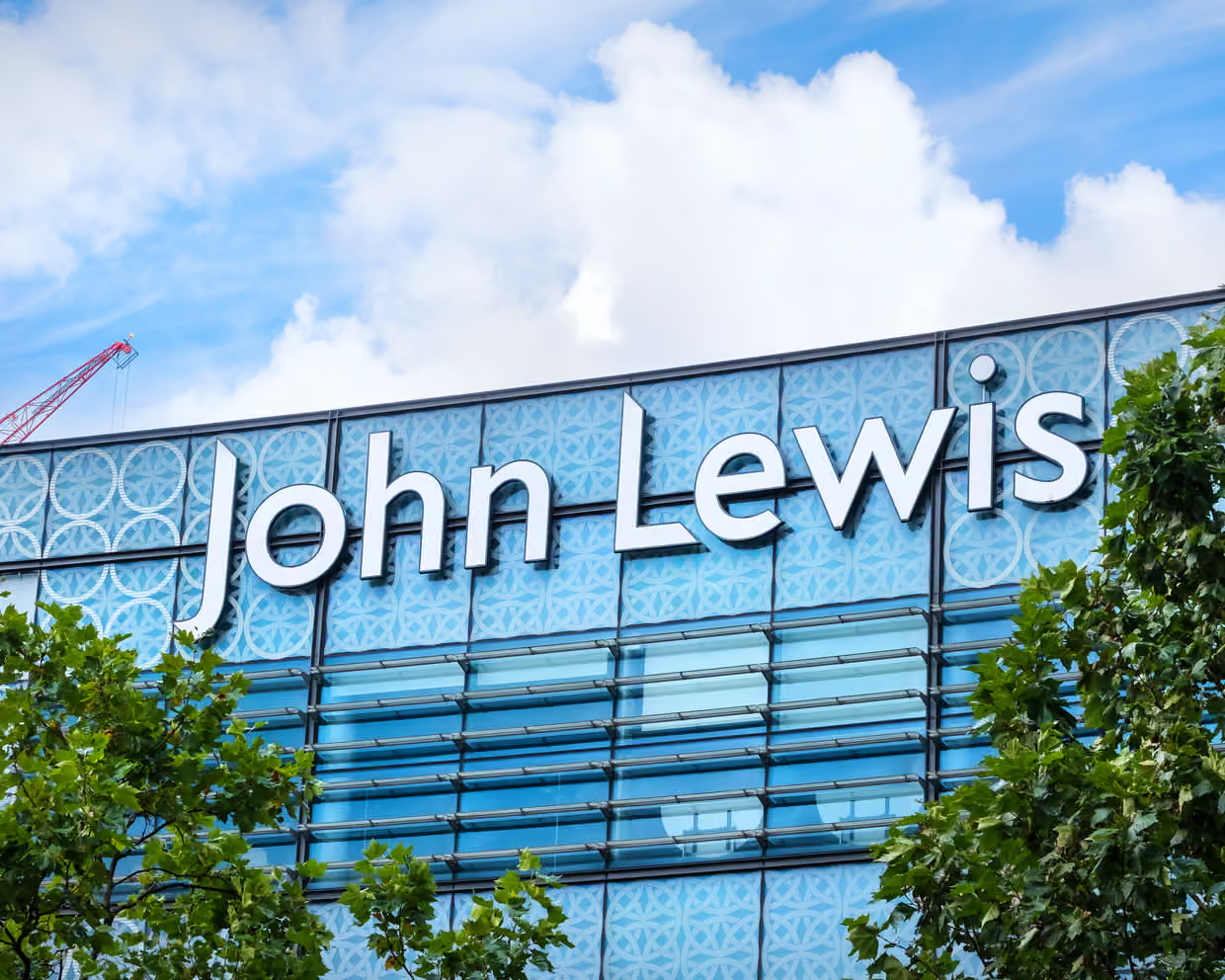
John Lewis and Waitrose Owner Sees Losses Triple to £88 Million Amid Rising Costs

Restructuring, Tax Increases, and New Packaging Rules Hit Profits
John Lewis Partnership, the employee-owned group behind John Lewis department stores and Waitrose supermarkets, reported that its pre-tax losses nearly tripled to £88 million in the first half of the financial year. The sharp increase from £30 million in the same period last year was attributed to restructuring costs, tax hikes, and new packaging regulations, despite a modest rise in sales.
The company revealed that £54 million of the losses stemmed from restructuring efforts aimed at streamlining operations, while £29 million was linked to regulatory pressures, including national insurance contributions and compliance with new packaging rules.
Sales Show Growth Amid Economic Pressures
Even as the group grappled with higher costs, its overall revenue rose by 4% to £6.2 billion during the six months ending 26 July. Waitrose led the way with a 6% increase in sales, reaching £4.1 billion, while John Lewis department stores recorded a 2% rise to £2.1 billion.
John Lewis emphasized that it was outperforming competitors in a market shaped by economic uncertainty. The retailer’s ability to grow its sales in a challenging environment reflects strong customer loyalty and strategic pricing, but the increased operational costs remain a significant concern.
Macroeconomic Challenges Loom
The partnership warned that the broader economic environment would remain difficult, with inflationary pressures, regulatory changes, and rising labor costs expected to continue affecting profitability. However, it also stressed that it was making targeted investments to ensure long-term growth and competitiveness.
“We are taking proactive steps to invest in our business, ensuring that we are well-positioned to deliver full-year profit growth,” the company said in its statement.
Focus on Sustainability and Compliance
The additional costs related to packaging reflect wider efforts by the retail sector to meet environmental standards and reduce waste. John Lewis Partnership has been aligning its operations with new government requirements aimed at promoting sustainable practices.
While such regulatory changes have short-term financial implications, the company views them as necessary for long-term resilience and aligning with consumer expectations around sustainability.
Employee Ownership Remains a Core Principle
Despite the financial setback, the group continues to emphasize its commitment to employee ownership and shared responsibility. The partnership model has long been a defining feature of the organization, with profits reinvested into the business and benefits shared among staff.
Leadership has reassured employees that restructuring efforts are focused on strengthening operations and safeguarding jobs in the long run, even if short-term disruptions are inevitable.
Looking Ahead: Optimism Amid Challenges
The partnership’s leadership remains cautiously optimistic about the year ahead. While acknowledging the pressures from inflation and supply chain disruptions, they are confident that strategic investments and operational efficiencies will help stabilize the business.
As consumers increasingly prioritize value and sustainable options, John Lewis and Waitrose are aiming to adapt by refining their product offerings and investing in customer experience enhancements.
John Lewis Partnership’s near tripling of pre-tax losses highlights the financial pressures facing retailers today, from tax hikes to new regulatory requirements. Yet, with sales still growing and a commitment to sustainability and employee welfare, the group remains focused on navigating short-term challenges while investing for future profit growth. The coming months will be critical as the retailer balances rising costs with customer expectations in a volatile economic environment.