
Nigel Farage Branded ‘Putin-Loving Free Speech Impostor’ Ahead of US Speech, as UK Politics Sees New Storms

Raskin blasts Farage before US appearance
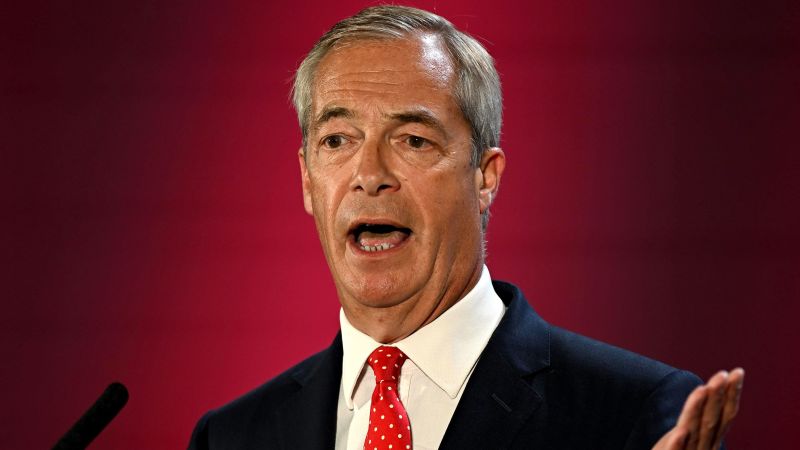
Nigel Farage, leader of Reform UK, was labelled a “Putin-loving, free speech impostor” by senior US Democrat Jamie Raskin just hours before addressing the House judiciary committee in Washington.
Raskin, who has long been outspoken on threats to democracy, also described Farage as “a Trump sycophant,” sharpening transatlantic scrutiny of the right-wing UK politician. Farage’s US visit, billed as a major opportunity to present himself as a defender of free speech, now comes shadowed by accusations of authoritarian sympathies.
The Reform leader is due to make his case before American lawmakers, seeking to position himself as part of a wider conservative movement linking US Republicans and Britain’s populist right.
Rayner admits stamp duty underpayment
Back in the UK, deputy Labour leader Angela Rayner conceded she underpaid stamp duty on her £800,000 seaside flat, following sustained pressure for clarity around her property affairs.
The admission is likely to intensify scrutiny from opponents who have accused Rayner of opacity, even as she maintains that the error was unintentional and has since been corrected. Her property dealings have become a point of vulnerability for Labour at a time when the party is attempting to project unity and integrity ahead of the next general election.
Police continue probe into Linehan tweets
The Metropolitan Police confirmed they will not be dropping their investigation into comedy writer Graham Linehan, who was detained earlier this year for comments made on Twitter regarding transgender issues.
Police said the legal framework used by officers during his arrest requires review, but maintained that the investigation itself remains active. Free speech advocates have seized on the case as an example of overreach, while others argue Linehan’s comments crossed the line into targeted harassment.
The controversy has reignited debates around the balance between freedom of expression and protection from online abuse in the UK.
Reeves sets budget date with warning on economy
Chancellor Rachel Reeves announced that her second budget will take place on 26 November. In her remarks, she acknowledged the UK economy is “not working well enough for working people,” in a rare admission of the scale of the challenge facing the government.
Speculation is already mounting about possible tax increases as Reeves looks for ways to balance growth and fiscal responsibility. Businesses and households alike will be watching closely to see whether the budget offers relief or imposes new burdens.
With Labour leading in the polls but under pressure to deliver credible economic plans, Reeves’ November budget will be a crucial moment in defining the government’s direction.
Mahmood accuses Jenrick of risking trial collapse
In the legal world, Justice Secretary Shabana Mahmood criticized her Conservative counterpart Robert Jenrick after he was accused in court of jeopardizing proceedings by tweeting about an ongoing criminal trial.
Mahmood suggested Jenrick had been guilty of “risking the collapse of trial,” underlining the dangers of politicians commenting publicly on live cases. The rebuke reflects broader tensions between ministers and the judiciary, as concerns rise over political interference in the legal process.
A day of turbulence across politics
From transatlantic sparring over Nigel Farage to domestic rows over taxes, property, and policing, the day underscored the volatility of UK politics. Reform UK’s leader may have been hoping to use his US visit as a springboard for legitimacy, but Raskin’s biting remarks highlighted how divisive his brand of populism remains.
At the same time, Angela Rayner’s property admission adds fresh headaches for Labour, Rachel Reeves faces daunting economic choices, and the police’s handling of online speech is under renewed fire.
As the UK edges closer to its next general election, controversies like these shape not only the headlines but also the perceptions of leadership, integrity, and competence across the political spectrum.
Conclusion
Nigel Farage’s attempt to build international credibility collided with fierce criticism in Washington, underscoring the scrutiny facing Reform UK’s growing influence. Meanwhile, Labour wrestled with its own internal pressures over property, tax, and economic credibility, and the Conservatives faced sharp rebuke over legal boundaries.
Together, these developments highlight the precarious, fast-moving landscape of British politics, where every misstep — whether on foreign stages or at home — carries the risk of reshaping the path to power.